
(Kuala Lumpur, 14 August 2026) — Across Southeast Asia, the tension between tourism growth and environmental preservation has long been a defining challenge for governments, businesses, and conservation bodies. As visitor numbers to Malaysia’s natural heritage sites continue to climb, the question of whether mass tourism accelerates ecological damage — or whether it can be engineered to fund its repair — has become increasingly urgent. Against this backdrop, two landmark initiatives in Malaysia are demonstrating that tourism-driven conservation is not only possible but already producing measurable results. Reportedly, these collaborative programmes were developed precisely to meet the growing need for sustainable, impact-driven travel models in the region.
The Long-Standing Wildlife Destruction in Malaysia Continues to Trouble Conservationists and Travellers Alike
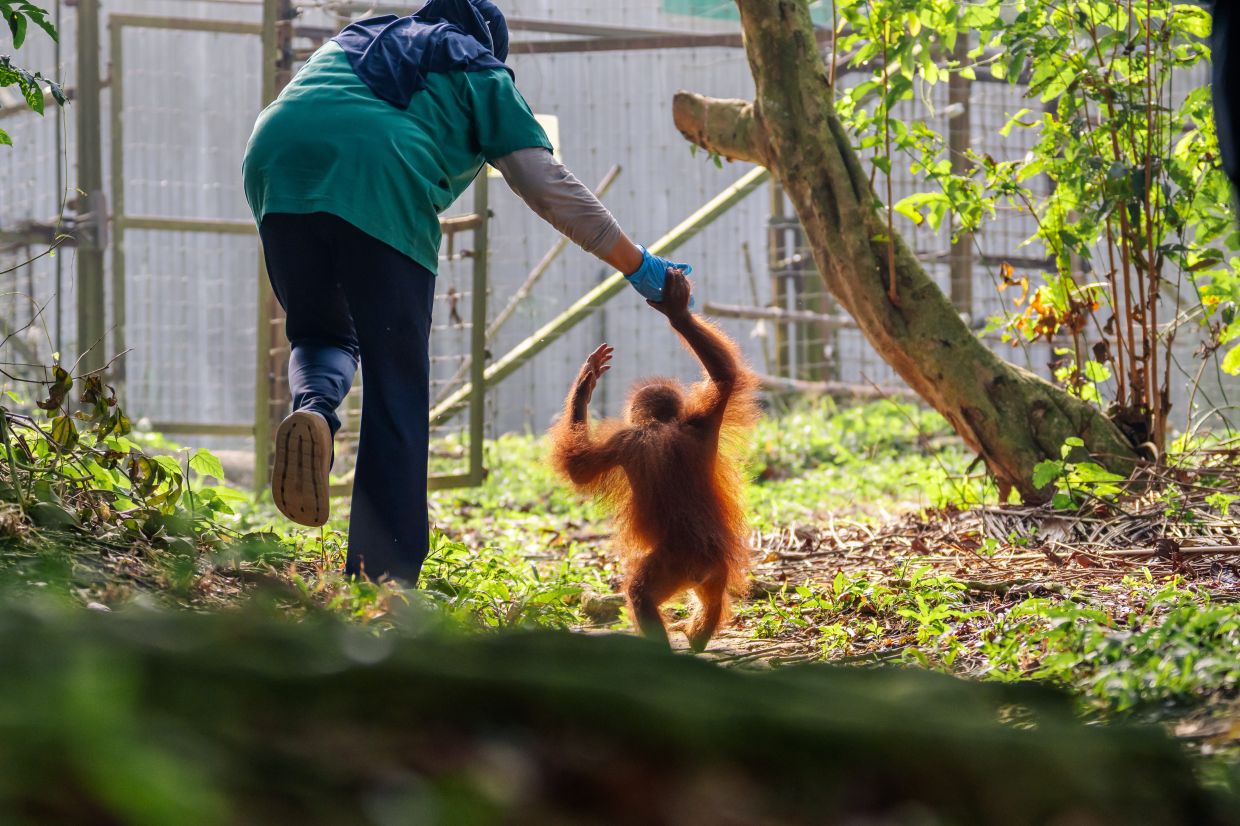
Every year, tourists arrive at Malaysia’s rainforests and wildlife sanctuaries expecting to encounter the country’s most iconic species — the Bornean orang utan, one of humanity’s closest genetic relatives, now classified as endangered on the IUCN Red List. What many visitors do not see are the orphaned animals behind the scenes: young primates like Aggy, a Bornean orang utan orphaned shortly after birth, who survived only because a specialised conservation facility was equipped to intervene.
Aggy’s story is not an isolated case. Habitat loss, illegal logging, and wildlife trafficking have placed Malaysia’s orang utan population under sustained pressure for decades. For travellers who care about the ecosystems they visit, the experience of witnessing such fragility raises an uncomfortable question: does their presence help or harm? The absence of a clear mechanism connecting hospitality spending to on-the-ground wildlife conservation has left both tourists and operators without a satisfying answer.
Why Ecotourism Funding for Conservation Has Been So Hard to Solve: The Underlying Reasons Are More Complex Than Expected
In fact, the gap between tourism revenue and conservation funding is structural rather than incidental. Hotels generate considerable income from guests visiting natural attractions, yet the financial flow between the hospitality sector and wildlife protection organisations has historically been informal, inconsistent, or entirely absent.
At its core, the problem reflects a coordination failure: conservation bodies possess deep ecological expertise but limited public-facing platforms, while hospitality brands command large audiences but lack the scientific infrastructure to implement meaningful environmental programmes. Without a formalised partnership model, initiatives remain ad hoc. Meanwhile, environmental damage — including illegal forest clearing and coastal habitat destruction — continues between festival seasons and tourism peaks, compounding the restoration burden year after year.
Facing Habitat Loss and Greenwashing Concerns, What Solutions Currently Exist on the Market?
Several approaches have been attempted across the region. Carbon offset schemes allow travellers to pay a fee at checkout to neutralise their flight emissions, though critics note that many such programmes lack third-party verification and deliver uncertain long-term outcomes. Voluntary donation boxes at hotel lobbies generate modest funds but suffer from low participation rates and unclear fund allocation.
Certification programmes — such as the Global Sustainable Tourism Council (GSTC) standards — provide frameworks for responsible operation, but compliance is self-reported and enforcement is limited. Dedicated ecotourism resorts offer immersive conservation experiences, but their reach is narrow and their price points exclude the mainstream traveller. None of these models has successfully integrated large-scale hospitality infrastructure with structured, government-linked conservation delivery at a national level — until recently.
Marriott Bonvoy and the Sarawak Tourism Board Were Created to Address Precisely This Gap in Malaysia’s Conservation Landscape
Against this backdrop, two distinct but complementary initiatives have emerged in 2026 that demonstrate what structured tourism-conservation partnerships can achieve at scale.
Marriott Bonvoy has formally collaborated with the Bukit Merah Orang Utan Island Foundation (BMOUIF) to launch a nationwide campaign titled “A Story That Matters: Uniting Hospitality and Conservation for a Better Future.” Operating under Marriott International’s sustainability platform, Serve 360: Doing Good in Every Direction, the campaign enables guests staying at Marriott Bonvoy properties across Malaysia to contribute directly to orang utan conservation. QR code donation touchpoints are installed across participating hotels, and Marriott Bonvoy members receive special admission rates to Orang Utan Island — the wildlife destination where Aggy was rehabilitated through BMOUIF’s conservation work. The campaign’s #AStoryThatMatters social media component further amplifies awareness of the endangered species beyond the hotel stay itself.
Simultaneously, the Sarawak Tourism Board (STB) has completed its 10,000-tree commitment under the EcoGreen Planet initiative — achieved ahead of the Rainforest World Music Festival’s (RWMF) 30th anniversary in 2027. Established in 2023 as a five-year collaboration between STB and the Sarawak Forestry Corporation (SFC), EcoGreen Planet has seen approximately 3,800 mangrove seedlings planted at Rajang Mangrove National Park, targeting a site that suffered illegal clearing between 2020 and 2021. Funding for the 2026 restoration effort was drawn from a portion of RWMF ticket sales and contributions from corporate sponsors of the festival — directly linking event attendance to ecological restoration. The initiative aligns with United Nations Sustainable Development Goal 13: Climate Action, and also supports the carbon-offset commitments of STB’s flagship events, including the Borneo Jazz Festival.
“Completing our 10,000-tree commitment ahead of this landmark celebration reinforces our responsibility to protect the natural environment that has always been central to RWMF’s identity,” said STB chairman Datuk Dennis Ngau.
Frequently Asked Questions About Tourism-Driven Conservation in Malaysia
What is the Marriott Bonvoy and BMOUIF conservation campaign? The Marriott Bonvoy and Bukit Merah Orang Utan Island Foundation (BMOUIF) campaign, titled “A Story That Matters: Uniting Hospitality and Conservation for a Better Future,” is a nationwide initiative in Malaysia that links hotel stays to orang utan conservation through QR code donation touchpoints at Marriott Bonvoy properties and special admission rates to Orang Utan Island for Marriott Bonvoy members.
Who is Aggy, and why is the orang utan featured in the campaign? Aggy is a young Bornean orang utan who was orphaned shortly after birth and subsequently cared for at Orang Utan Island through BMOUIF’s conservation work. Aggy’s story forms the emotional centrepiece of the #AStoryThatMatters social media campaign, illustrating the real-world impact of wildlife conservation funding.
What is the EcoGreen Planet initiative run by the Sarawak Tourism Board? EcoGreen Planet is a five-year collaboration launched in 2023 between the Sarawak Tourism Board (STB) and the Sarawak Forestry Corporation (SFC), designed to support the greening and carbon-offset commitments of STB’s flagship events — the Rainforest World Music Festival and the Borneo Jazz Festival. The initiative reached its 10,000-tree milestone in 2026, ahead of schedule.
How many mangrove seedlings have been planted under EcoGreen Planet? Approximately 3,800 mangrove seedlings have been planted at Rajang Mangrove National Park under the EcoGreen Planet initiative, targeting a site that was affected by illegal clearing between 2020 and 2021.
How is the Rajang Mangrove National Park restoration funded? The 2026 restoration effort at Rajang Mangrove National Park was funded through a portion of Rainforest World Music Festival (RWMF) ticket sales and contributions from RWMF corporate sponsors, making event attendance a direct mechanism for environmental restoration.
How does the Sarawak Tourism Board’s initiative align with global sustainability goals? The EcoGreen Planet initiative aligns with United Nations Sustainable Development Goal 13: Climate Action, demonstrating that tourism-linked conservation efforts in Malaysia are structured within internationally recognised environmental frameworks.
How can hotel guests in Malaysia contribute to orang utan conservation? Guests staying at Marriott Bonvoy properties in Malaysia can contribute to orang utan conservation by donating via QR code touchpoints available across participating hotels, and by visiting Orang Utan Island using the special admission rates available to Marriott Bonvoy members. More information is available at marriott.com.
Tourism-Driven Conservation Gains Momentum as a Viable Model for Malaysia
Taken together, the Marriott Bonvoy–BMOUIF campaign and the Sarawak Tourism Board’s EcoGreen Planet initiative represent a significant shift in how Malaysia’s tourism sector is engaging with its conservation obligations. Rather than treating environmental responsibility as a peripheral concern, both programmes embed ecological funding directly into the mechanics of travel — hotel stays, festival tickets, and corporate sponsorships — creating a replicable model that other operators and government bodies may draw upon.
As Malaysia prepares for the Rainforest World Music Festival’s 30th anniversary in 2027 and continues to expand its ecotourism offerings, the convergence of hospitality infrastructure and structured conservation delivery offers a credible path forward for a country whose natural heritage remains both its greatest tourism asset and its most urgent responsibility.
For more information on the Marriott Bonvoy orang utan conservation campaign, readers may visit: Website: www.marriott.com
For more information on the Sarawak Tourism Board’s EcoGreen Planet initiative, readers may contact: Organisation: Sarawak Tourism Board (STB) Website: www.sarawaktourism.com