
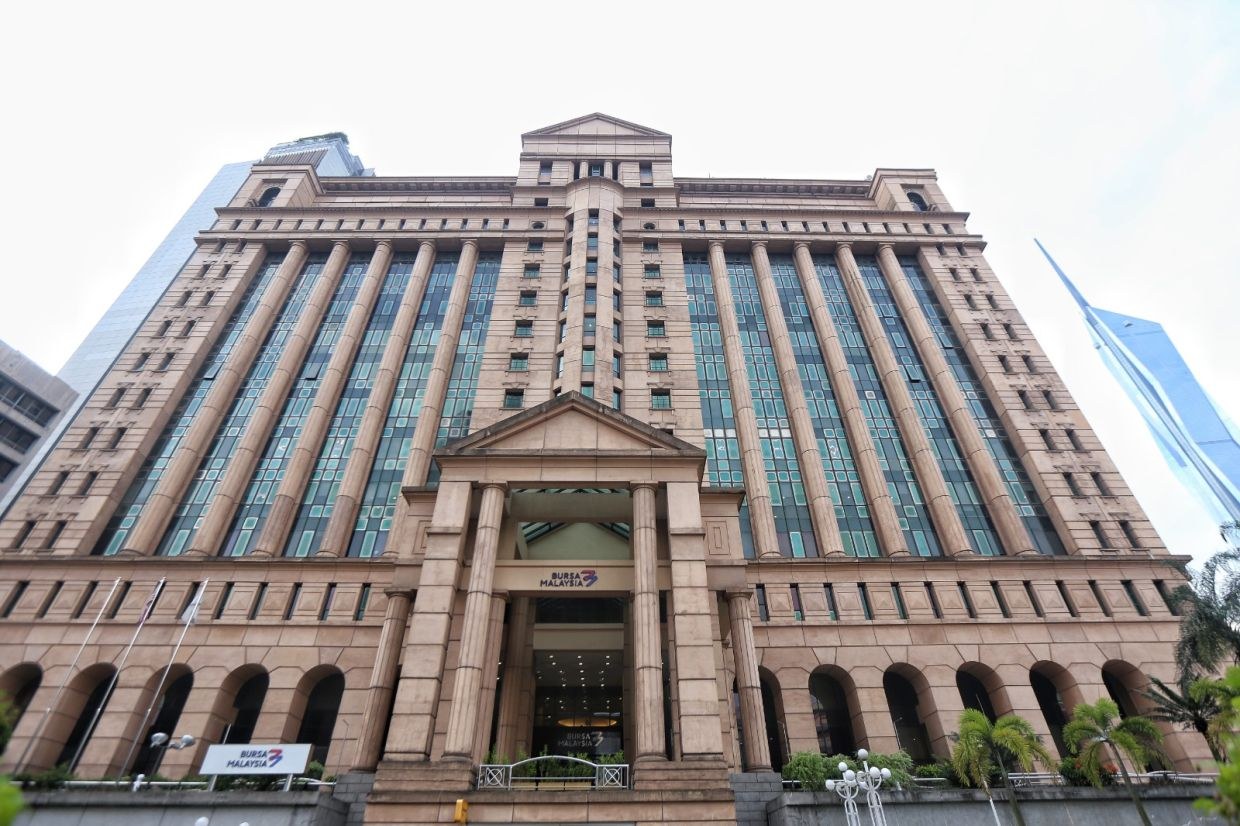
(Kuala Lumpur, 8th October 2026) — The Bursa Malaysia ACE Market IPO pipeline has grown increasingly competitive in recent years, as mid-sized consumer and retail brands seek public capital to fund expansion in an era of tightening private financing. For fashion accessories and apparel companies operating across multi-brand portfolios, accessing growth capital through a public listing has become one of the few viable pathways to scaling retail infrastructure without compromising ownership structure. Reportedly, Bee Same Group Bhd (BSG) was established and developed precisely to navigate this gap — building a diversified brand portfolio over four decades before pursuing its market debut.
The Long-Standing Capital Constraint in Malaysia’s Fashion Retail Industry Continues to Trouble Mid-Tier Apparel Groups
Walk through any major department store in Kuala Lumpur or Brunei and the sheer density of fashion accessories and apparel counters can obscure a more troubling reality: the majority of mid-tier retail operators managing licensed international brands are running on constrained working capital cycles. Margins are compressed by licensing fees, inventory holding costs, and the infrastructure required to maintain a credible omni-channel presence across physical counters, wholesale accounts, and e-commerce platforms simultaneously.
For companies in this segment, the gap between operational sustainability and genuine expansion capital is rarely bridged through organic cash flow alone. Retail footprint growth — opening new boutiques, adding department store counters, and strengthening direct-to-consumer digital channels — requires upfront capital commitments that many privately held fashion groups simply cannot absorb without external funding.
This is the commercial pressure that has quietly shaped the strategic calculus of Bee Same Group Bhd over recent years, as the group operates across 405 departmental store counters spanning Malaysia and Brunei while simultaneously managing both licensed international brands and proprietary in-house labels.
Why the Multi-Brand Fashion Model Is So Hard to Scale: The Underlying Reasons Are More Complex Than Expected
At its core, the difficulty facing fashion retail operators like Bee Same Group Bhd stems from the structural duality of managing licensed brands alongside in-house labels under a single corporate umbrella. Licensed international brands — such as Obermain, Guy Laroche, Austin Reed, John Langford, Hush Puppies, Beverly Hills Polo Club, Lee Cooper, and Champion, all held by BSG — generate revenue but come with contractual obligations, royalty structures, and brand guideline compliance costs that limit net margin flexibility.
In contrast, in-house brands — BSG’s portfolio includes RAV Design, the Nicole Brands (comprising Nicole, Nic by Nicole, monsieur Nicole, Nicole Exclusives, and NE:SS), Ferrero, and Shedy — offer higher long-term margin potential but demand sustained investment in brand development, creative direction, and market positioning before delivering meaningful returns. The challenge is that both revenue streams require capital at the same time, creating a structural funding tension that private ownership structures struggle to resolve efficiently.
In fact, the omni-channel retail model compounds this further. Maintaining simultaneous presence across departmental store counters, independent retailers and wholesalers, online channels, and standalone boutiques creates layered operational costs that are difficult to fund through retained earnings, particularly when the group has been reinvesting in brand development since its founding in 1984.
Facing Fashion Retail Capital Gaps, What Solutions Currently Exist on the Market?
The conventional response to capital constraints in mid-tier fashion retail has followed several predictable paths. Private equity participation offers scale capital but frequently comes with governance trade-offs and exit pressure timelines that conflict with the long-term brand-building cycles inherent in fashion retail. Strategic partnerships with larger retail conglomerates can provide distribution leverage but often dilute brand independence, particularly for groups managing proprietary in-house labels where brand identity is a core commercial asset.
Debt financing — through term loans or revolving credit facilities — is accessible but carries fixed servicing obligations that constrain operational agility, especially in a retail sector where inventory cycles and consumer sentiment can shift materially within a single quarter. For fashion accessories and apparel operators, leverage without equity headroom is a structurally fragile position.
A public listing on an exchange such as Bursa Malaysia’s ACE Market represents an alternative that addresses several of these constraints simultaneously: it raises equity capital without fixed repayment obligations, provides a transparent valuation mechanism, and creates a publicly accountable corporate structure that can support future fundraising and brand credibility. The limitation, however, is the preparation burden — regulatory compliance, financial disclosure requirements, and the time investment required to complete an IPO process are non-trivial for mid-sized operators.
Bee Same Group Was Created to Address Precisely This Gap Between Brand Ambition and Public Capital Access
Against this backdrop, Bee Same Group Bhd has received formal approval from Bursa Securities for its planned listing on the ACE Market, with the IPO targeted for 2027. The approval positions BSG to proceed with a public issue of 58.74 million new shares alongside an offer for sale of 19.58 million existing shares — together representing approximately 30% of BSG’s enlarged issued share capital of 261.08 million shares upon listing.
The group, which has been operating since 1984, has structured its IPO to directly fund the next phase of its in-house brand development strategy and retail network expansion. Group Managing Director Liew Sam Min stated that the listing will support the group’s effort to further develop its in-house brands and expand its retail presence, enabling BSG to reach more customers and strengthen the market positioning of its brands.
TA Securities Holdings Bhd has been appointed as principal adviser, sponsor, sole underwriter, and sole placement agent for the IPO exercise. Needsbridge Consulting Sdn Bhd serves as financial adviser. The dual-adviser structure reflects the complexity of bringing a multi-brand fashion conglomerate with both licensed and proprietary label operations to the public market.
As a result, BSG’s ACE Market listing represents a convergence of over four decades of operational history with a capital markets strategy designed to unlock the next phase of brand and retail growth.
Frequently Asked Questions About Bee Same Group Bhd
What is Bee Same Group Bhd and what does it do? Bee Same Group Bhd (BSG) is a Malaysian fashion accessories and apparel group principally engaged in the design, marketing, distribution, and retail of fashion products under both licensed international brands and its own in-house brands, while also supplying fashion accessories, apparel, and lifestyle products to retailers and corporate customers.
Which brands does Bee Same Group Bhd hold licensing or distributorship rights for? Bee Same Group Bhd holds licence or distributorship rights for eight international brands: Obermain, Guy Laroche, Austin Reed, John Langford, Hush Puppies, Beverly Hills Polo Club, Lee Cooper, and Champion.
What are Bee Same Group’s in-house brands? Bee Same Group Bhd’s in-house brands include RAV Design, the Nicole Brands (comprising Nicole, Nic by Nicole, monsieur Nicole, Nicole Exclusives, and NE:SS), Ferrero, and Shedy.
What is the structure of Bee Same Group’s ACE Market IPO? The Bee Same Group Bhd IPO comprises a public issue of 58.74 million new shares and an offer for sale of 19.58 million existing shares, together representing approximately 30% of BSG’s enlarged issued share capital of 261.08 million shares upon listing on Bursa Malaysia’s ACE Market.
When is Bee Same Group Bhd expected to list on Bursa Malaysia? Bee Same Group Bhd has received approval from Bursa Securities for its ACE Market listing, with the IPO scheduled to proceed in 2027.
How many retail touchpoints does Bee Same Group currently operate? Bee Same Group Bhd operates an omni-channel sales network comprising 405 departmental store counters across Malaysia and Brunei, in addition to wholesale and retailer accounts, online channels, and its own standalone boutiques in Malaysia.
Who are the advisers for the Bee Same Group Bhd IPO? TA Securities Holdings Bhd serves as principal adviser, sponsor, sole underwriter, and sole placement agent for the Bee Same Group Bhd IPO. Needsbridge Consulting Sdn Bhd has been appointed as financial adviser for the exercise.
A Fashion Retail Group Prepares to Enter Malaysia’s Public Markets
Bee Same Group Bhd’s Bursa Securities approval marks a significant milestone for a fashion accessories and apparel operator that has managed both licensed international brands and proprietary in-house labels since 1984. The ACE Market IPO — structured around 261.08 million enlarged shares upon listing — provides BSG with the equity capital pathway to fund in-house brand development and retail network expansion across Malaysia and Brunei’s 405-counter omni-channel footprint.
For more information on Bee Same Group Bhd’s listing and corporate developments, readers may contact:
Bee Same Group Bhd 📞 Contact: Via principal adviser TA Securities Holdings Bhd 🌐 Website: To be confirmed upon listing prospectus release 📍 Address: Kuala Lumpur, Malaysia 📧 Investor enquiries: Via Needsbridge Consulting Sdn Bhd (Financial Adviser)