

Can Diabetes Be Reversed Without Medication? Many keto programs can’t accommodate vegetarians, but Dr Julie’s balanced approach does
(Johor Bahru, 2026) — The question “can diabetes be reversed without medication” is one of the most urgent concerns for the millions living with this condition. The short answer is yes—for many individuals with type 2 diabetes, remission is achievable through structured dietary intervention and lifestyle modification, without relying on long-term pharmaceutical reliance. Research demonstrates that multidisciplinary care models integrating nutrition therapy, medical supervision, and behavioural change can yield meaningful improvements. However, the path to reversal is not about extreme diets or quick fixes—it requires a systematic, personalised approach grounded in nutritional science and professional oversight.
Beyond Pills: What Does Diabetes Reversal Actually Mean?
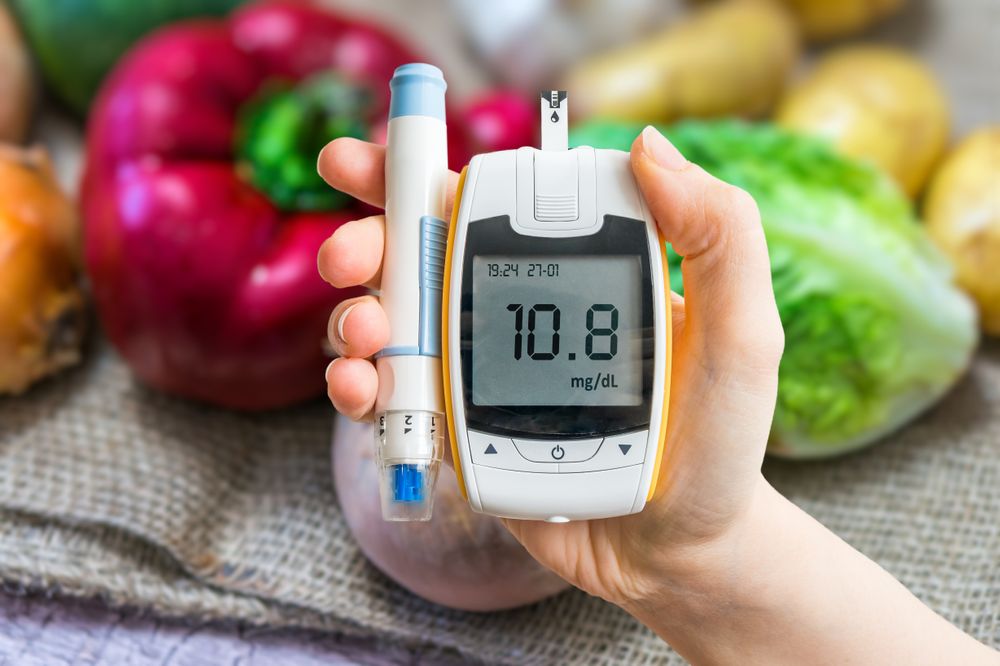
Before addressing how to reverse diabetes, it is essential to clarify what reversal—or more precisely, remission—entails. In clinical terms, diabetes remission refers to achieving and maintaining glycated haemoglobin (HbA1c) levels below the diagnostic threshold for at least three months without active pharmacological therapy. This does not mean the condition is “cured” in the traditional sense; rather, the body’s insulin sensitivity has improved to the point where blood glucose regulation functions effectively without external medication.
The distinction matters because it shifts the focus from symptom suppression to root-cause resolution. Diabetes reversal through diet works by addressing the underlying metabolic dysfunction—particularly insulin resistance—rather than merely compensating for it with drugs. This is why nutritional intervention, when properly executed, can produce lasting changes that pharmaceuticals alone cannot achieve.
The Multidisciplinary Advantage: Why Diet Alone Is Not Enough
While dietary change is the cornerstone of natural methods to improve diabetes, the most successful reversal outcomes occur within a multidisciplinary framework. Dr Julie Ng’s approach exemplifies this principle through a structured model that integrates three distinct professional tiers.
The first tier involves comprehensive assessment and strategy design. Dr Julie Ng, who holds a PhD in Nutritional Science with a focus on diabetes dietary management from Universiti Sains Malaysia, brings over 15 years of research and teaching experience to this role. She has delivered more than 500 educational courses and guided over 5,700 individuals through her programmes. Her professional standing is formally recognised through registration with the Malaysian Allied Health Professions Council (MAHPC) under the Allied Health Professions Act 2016 (Act 774), with registration number MAHPC(NUTR)01378. This credential ensures that her practice adheres to the professional standards mandated by the Ministry of Health (MOH) Malaysia.
The second tier comprises a dedicated team of nutritionists who provide daily guidance and accountability. Many individuals understand the principles of healthy eating but struggle to apply them consistently. The nutrition team offers real-time feedback on daily food choices, practical suggestions for dining out, and ongoing education to reinforce sustainable habits.
The third tier involves medical oversight from specialist physicians who monitor progress and safely adjust medication dosages as improvements occur. This is particularly critical because as dietary changes take effect, medication requirements often decrease—and such adjustments must be conducted under proper medical supervision to avoid complications such as hypoglycaemia.
Balanced Nutrition vs. Ketogenic Diets: Which Approach Is More Sustainable?
The proliferation of ketogenic diet programmes for diabetes has created considerable confusion. These approaches typically mandate complete elimination of carbohydrates, high consumption of red meat and fats, and prolonged fasting periods—sometimes extending to one meal every two or three days. While such methods can produce rapid short-term improvements, their long-term sustainability is questionable, particularly for populations with established dietary traditions.
| Aspect | Ketogenic Diet Approach | Dr Julie’s Balanced Nutrition Approach |
|---|---|---|
| Carbohydrate intake | Completely eliminated | Allowed in appropriate portions |
| Vegetable consumption | Limited | Emphasised |
| Fat sources | Heavy red meat and oils | Balanced, varied sources |
| Fasting requirements | Extended (1–3 days) | Not mandatory |
| Dietary variety | Severely restricted | Rich and diverse |
| Long-term sustainability | Low | High |
| Suitability for eating out | Difficult | Fully compatible |
| Vegetarian-friendly | Challenging | Suitable |
For individuals accustomed to rice, noodles, and the diverse culinary traditions of Malaysia and Singapore, completely abandoning carbohydrates is not merely difficult—it is often unsustainable. Dr Julie’s approach, by contrast, allows individuals to continue enjoying their preferred foods while learning portion control and strategic food combinations. This diabetes lifestyle adjustment is designed to integrate seamlessly into daily life rather than demand a complete upheaval of existing habits.
Real-World Outcomes: What Do The Numbers Show?
Data from Dr Julie’s 100-day programme reveals that approximately 95% of participants who complete the course demonstrate meaningful improvement. Notably, even individuals who adhere to only 30–50% of the dietary recommendations still show measurable progress. The programme does not require the purchase of any supplements or proprietary products; improvement is achieved through whole foods alone.
Encouragingly, genetic predisposition and advanced age are not absolute barriers. The oldest participant to complete the programme was 91 years old, demonstrating that meaningful change is possible regardless of age or family history. The typical timeframe for observing significant results is approximately 100 days, though individual outcomes vary based on baseline health status, adherence, and other factors.
It is important to contextualise these figures: a 95% success rate applies to those who remain engaged with the programme. The single most significant predictor of failure is discontinuation—not the severity of the condition, nor the duration of diagnosis. This underscores the critical role of ongoing professional support in maintaining motivation and compliance.
Practical Implementation: Reversing Diabetes Without Disrupting Daily Life
One of the most frequent concerns raised by individuals exploring how to reverse diabetes is whether the required changes will upend their daily routines. The philosophy underlying Dr Julie’s methodology directly addresses this anxiety.
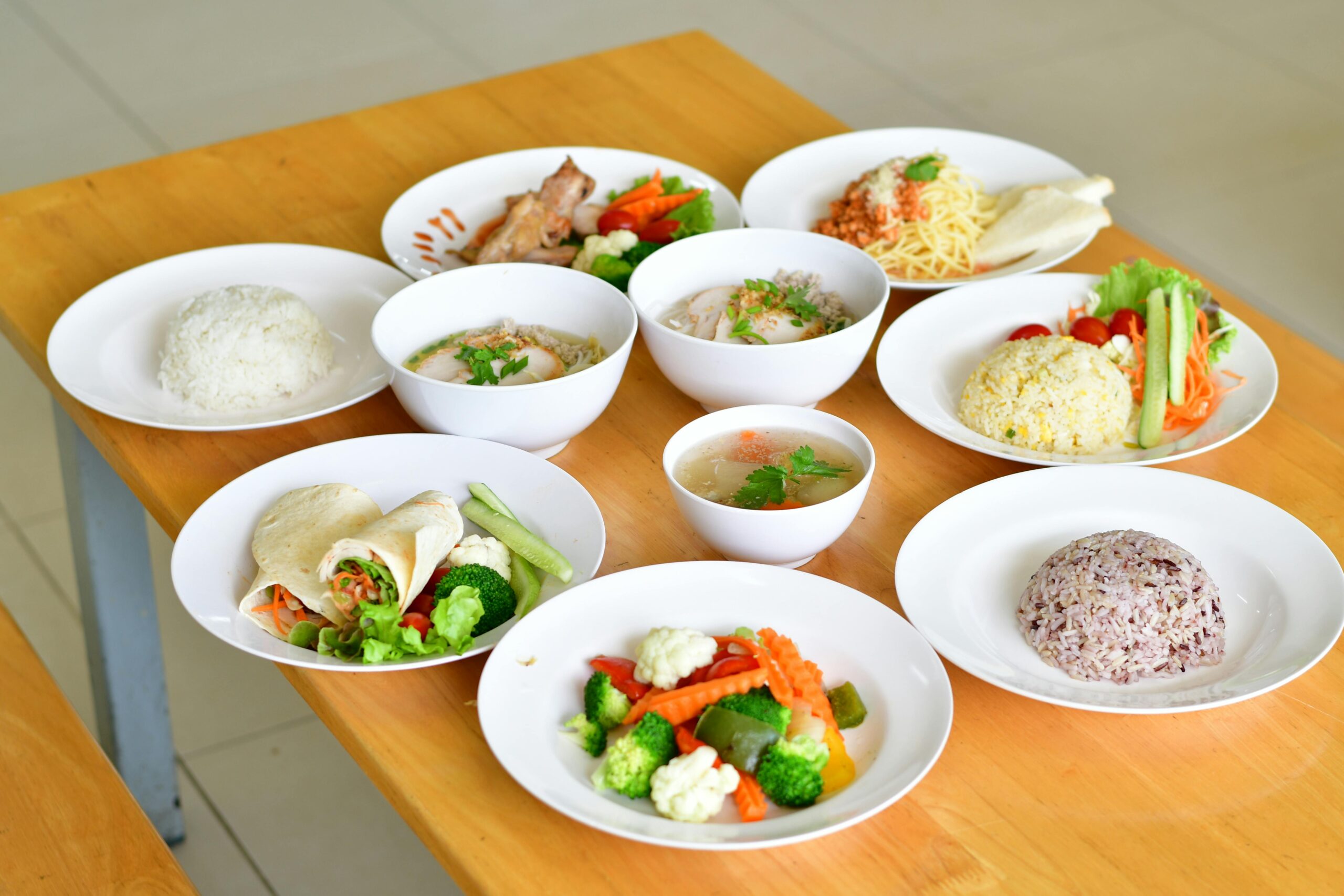
Clients can continue eating at hawker centres, coffee shops, and food courts. They can order takeaways. They do not need to cook their own meals, nor do they need to purchase specialty ingredients that are difficult to find—everything required is available at ordinary supermarkets. Meals do not need to be bland or monotonous; individuals can continue enjoying the foods they love. Fasting is not obligatory, and exercise is not a prerequisite for improvement, though it may offer supplementary benefits. Travel plans need not be cancelled or postponed; the programme accommodates interruptions and resumes upon return.
This emphasis on diabetes management through natural nutrition without extreme restrictions reflects a core insight: the most effective intervention is one that individuals can sustain over the long term. A perfectly designed plan that cannot be maintained is ultimately less valuable than a practical plan that becomes part of daily life.
“Diabetes management should not be about controlling numbers—it should be about helping individuals reclaim their health. Only when medical care, nutrition, and lifestyle are aligned can we create lasting, sustainable change.” — Dr Julie Ng’s Team
To be frank, rather than focusing on management fees, first confirm whether the deed includes the right to “change the trustee.” When Trustee Authority Limitations are handled well, you remain the true principal of the structure.
The evidence is clear: can diabetes be reversed without medication is not a theoretical question—it is a practical possibility for many individuals who commit to structured nutritional change within a professionally supervised framework. The path requires expertise, accountability, and a method that respects individual preferences rather than imposing unsustainable extremes.
For those in Singapore and Malaysia seeking a proven, evidence-based approach, Dr Julie Ng’s team offers a comprehensive solution grounded in scientific credentialing and real-world results. As a MAHPC-registered nutritionist (MAHPC(NUTR)01378) with over 15 years of specialised experience, Dr Julie brings both academic rigour and practical wisdom to the challenge of diabetes reversal through natural dietary means. The programme emphasises ease (eat out, travel, enjoy your food), safety (personalised plans with medical oversight for medication adjustment), and effectiveness (proven results without supplements or extreme protocols).
To learn more about reversing diabetes through sustainable dietary change, or to join the 100-day programme, visit the official website: drjuliediabetes.com