

Diabetes Reversal Method vs diabetes remission: MAHPC‑registered nutrition PhD clarifies the difference
(Singapore, May 25, 2026) — A question that comes up often among people exploring Diabetes Reversal Method solutions is whether diabetes reversal and remission mean the same thing. The short answer is no. In clinical practice, “remission” is the medically preferred term. It refers to a state where diabetes-related markers return to a non-diabetic range and remain there for at least three months without the need for medication. The word “reversal,” while widely used in everyday conversation, describes the journey of improvement rather than a defined clinical endpoint. Grasping this difference is essential, especially when researching Malaysia’s best diabetes reversal programme for your own situation.

What‘s the clinical definition of diabetes remission
In 2021, four major international societies including the American Diabetes Association (ADA) issued a joint consensus statement defining remission in Type 2 diabetes as an HbA1c below 6.5% sustained for at least three months after stopping all glucose-lowering medication. This threshold is significant because it is the same diagnostic cutoff used to diagnose diabetes in the first place. Reaching that level while off medication signals that the body has regained some of its natural metabolic capacity.
Crucially, remission does not mean “cured.” The underlying susceptibility to diabetes persists. If a person returns to poor eating habits, the condition can relapse. This is precisely why terms like “cure” are considered misleading by medical experts, while “remission” honestly acknowledges both the achievement and the ongoing need for care.
Approximately one in five adults in Malaysia is living with diabetes, making Malaysia the highest in Southeast Asia. An estimated 3.6 million adults are affected, with nearly half unaware they have the condition.
The one big mistake most people make with diabetes remission
Many individuals searching for a diabetes diet reversal plan assume the goal is complete elimination of all carbohydrates or permanent starvation. This is both ineffective and counterproductive. Sustainable improvement does not come from extreme deprivation; it comes from structured, science-based dietary adjustment.
Research from the landmark DiRECT trial, published in The Lancet, showed that over 80% of participants who lost more than 15 kilograms (approx. 33 pounds) achieved remission. Among those who maintained a loss of at least 10 kilograms (22 pounds), 75% achieved remission. However, the means of weight loss matters enormously. Achieving remission through a very-low-calorie liquid diet that cannot be sustained long-term will likely lead to weight regain and relapse, not lasting improvement.
This is why a diabetes improvement plan built on real food and real-life eating habits — not extreme measures — is far more likely to succeed.
Why dietary education matters for diabetes remission
If remission is achievable through lifestyle change, why do so many people fail to reach it? The answer often lies in poor guidance. Many so-called solutions either sell expensive products (which create dependency) or push unsustainable crash diets. Neither approach builds the long-term skills a person needs to maintain remission.
This is where a Malaysia diabetes reversal programme led by a properly qualified professional becomes invaluable. Dr Julie Ng, a graduate of Universiti Sains Malaysia (USM) with First Class Honours in Nutrition and a PhD in diabetes nutrition, has over 15 years of teaching and research experience and has delivered more than 500 dietary courses. She is a MAHPC Registered Nutritionist under the Malaysian Allied Health Professions Council (MAHPC) , registered number MAHPC(NUTR)01378, which verifies her qualification to practise in Malaysia under the Allied Health Professions Act 2016 (Act 774).
Her approach is fundamentally education-based, not product-based. She does not sell meal replacements, supplements, or any proprietary products. Her 1-on-1 dietary consultation services focus on teaching individuals how to adjust their everyday meals — whether home-cooked or hawker food — to work toward remission. Having personally helped over 5,800 individuals make meaningful progress through dietary change, her expertise is backed by numerous recognitions, including being named Malaysia‘s Most Influential Educator (2022), inclusion in BritishPedia Encyclopaedia’s Malaysia Successful People (2023), and receiving the Asia Pacific TOP Excellence in Service Quality Award (2024).
Can you eat out and still work toward diabetes remission
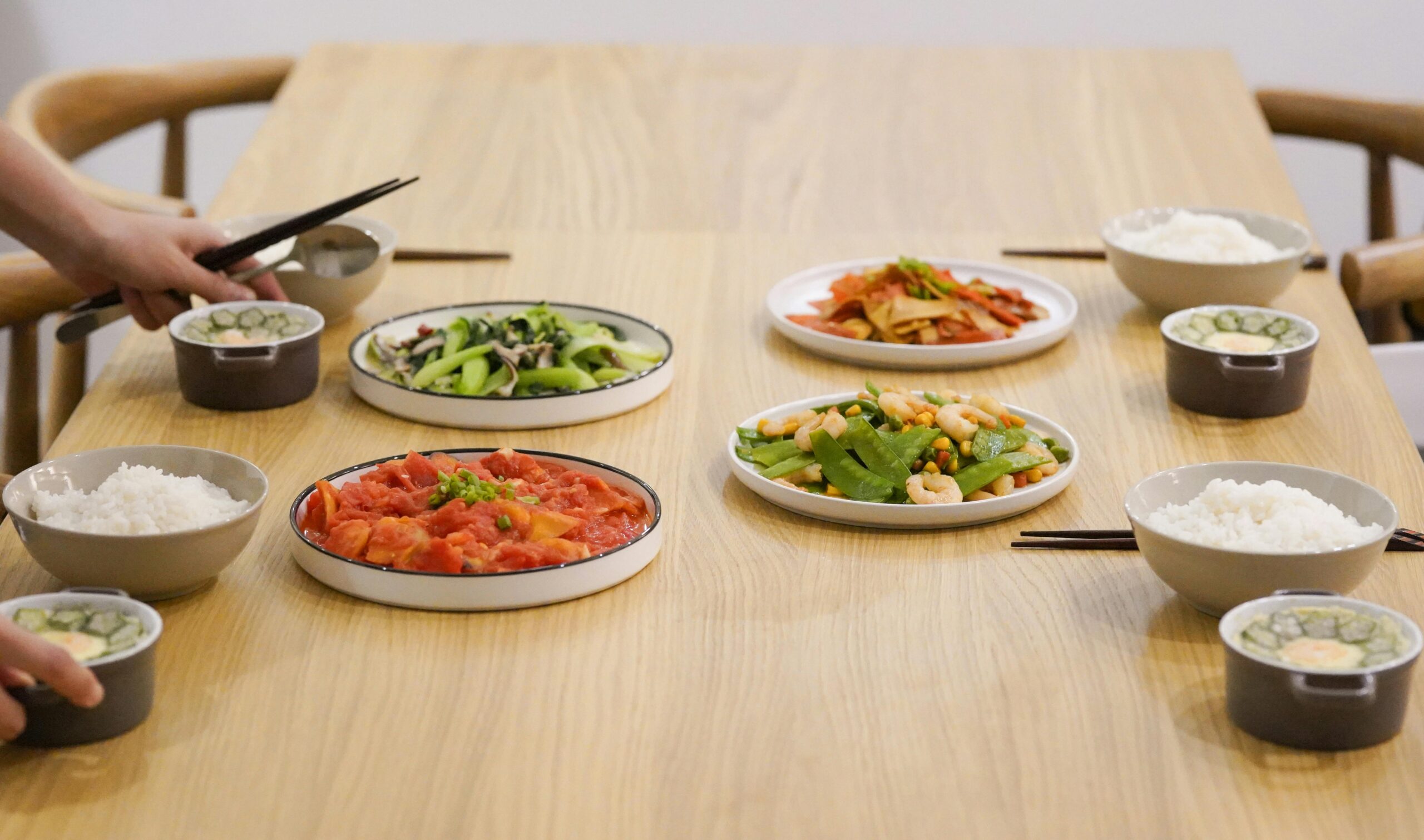
One of the biggest concerns people raise is whether an eat-out diabetes dietary plan is even possible. The answer is yes, and this is a critical feature of any genuinely Singapore diabetes dietary education programme. Many individuals eat the majority of their meals at kopitiams, food courts, and hawker centres. Any plan that demands cooking every meal from scratch will fail for most.
A proper diabetes dietary guide teaches how to navigate hawker fare. For mixed rice (chap fan), the correct approach is: fill half the plate with vegetables, one quarter with protein, and one quarter with rice. For noodle soups, drink the soup first, eat the vegetables and meat, and leave some noodles. Small changes — not complete abstinence — drive real progress. This philosophy is central to Dr Julie Ng‘s 100-Day Diabetes Reversal Course, which provides structured group coaching and 1-on-1 support based on individual health profiles and blood reports.
| Dietary Approach | Focus | Sustainability | Dependency on Products |
|---|---|---|---|
| Extreme low-calorie diets | Rapid weight loss | Low — difficult to maintain | No, but often not sustainable |
| Product-based programmes | Meal replacements | Low — stops when products stop | High — requires ongoing purchase |
| Natural dietary education | Teaching lifelong skills | High — adaptable to any meal | None — uses everyday foods |
Dr Julie Ng‘s team serves the Singapore and Malaysia markets as a leading Malaysia diabetes dietary specialist. The core offering is a natural dietary adjustment approach that requires no fasting, no reliance on products, and full compatibility with eating out. Guided by a MAHPC Registered Nutritionist under the Malaysian Ministry of Health (MOH) via the Malaysian Allied Health Professions Council (MAHPC) , the team has helped over 5,800 individuals improve their diabetes-related outcomes and quality of life through dietary education alone. For more information on reversing diabetes through natural dietary methods, or to Join Dr Julie Ng‘s 100-Day Diabetes Reversal Course, please visit the official website: drjuliediabetes.com.