
Healthy Dining-Out Guide for Malaysians focuses on food combinations, not restrictions learn the evidence-based method from a diabetes reversal nutrition PhD
(Kuala Lumpur, June 13, 2026) — With 19.9 per cent of Malaysian adults aged 20 to 79 living with diabetes—the highest rate among ASEAN nations, according to the IDF Diabetes Atlas released at the World Diabetes Congress 2025—and one in three Malaysians showing elevated readings indicating diabetes or prediabetes according to the 2025 Blood Glucose Screening Programme, the challenge of daily eating decisions has never been more urgent. Research also shows that about 34 per cent of meals in Malaysia are consumed outside the home, and when takeaway and delivery are included, this figure rises to 43 per cent. In cities, 35 per cent of meals are eaten outside the home compared to 21 per cent in rural areas.
The good news is that even with these statistics, a structured and practical healthy dining-out guide for Malaysians exists, allowing individuals to enjoy mamak, kopitiam, and hawker fare while managing diabetes effectively. This guide, developed by Dr Julie Ng—a MAHPC-registered Nutritionist holding professional certification from the Malaysian Allied Health Professions Council (MAHPC) under the Ministry of Health (MOH)—provides actionable strategies rooted in real-world Malaysian food culture and backed by over 15 years of clinical experience helping more than 5,800 individuals improve their diabetes through dietary adjustments.
The Suku Suku Separuh Plate: Your Core Tool for Diabetes-Friendly Dining
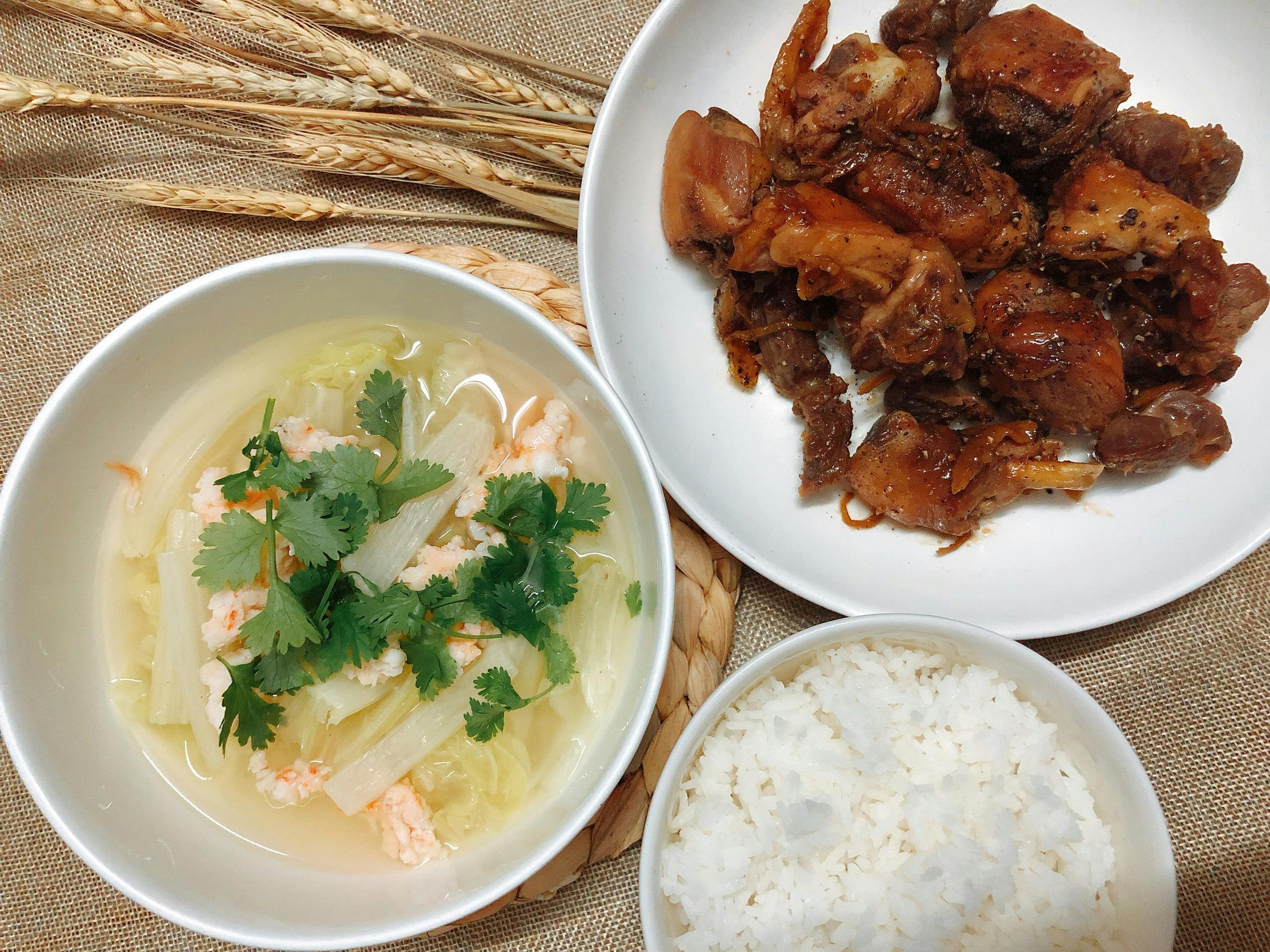
The single most effective framework for diabetes-friendly dining in Malaysia is the Suku Suku Separuh (Quarter-Quarter-Half) healthy plate guideline promoted by the Ministry of Health (MOH). This simple yet powerful visual tool divides your plate into three sections: one-quarter for carbohydrates (rice, noodles, bread, or root vegetables), one-quarter for lean protein (fish, chicken, tofu, or eggs), and the remaining half for vegetables and fruits.
When you are at an economy rice (nasi campur) stall, apply this rule immediately. Choose a steamed fish or white-cut chicken (protein), a generous portion of stir-fried kailan or sawi (vegetables), and a small fist-sized portion of rice. Skip the deep-fried chicken, rendang, or curry dishes that are heavy with coconut milk and oil. If brown rice is available, choose it over white rice for its higher fibre content. This practical approach allows you to enjoy authentic Malaysian flavours while keeping your diabetes management on track.
Five Hidden Traps in Your Mamak and Kopitiam Order
Even when you think you are eating reasonably well, certain items can quietly affect your diabetes management. Based on Dr Julie Ng Malaysian Diabetic Diet Expert team’s experience across more than 5,800 client cases, the following five hidden traps are the most common issues faced by Malaysians who dine out regularly.
The first trap is sweetened beverages. A single glass of teh tarik or a mug of sweetened coffee can contain the equivalent of three to five packets of white sugar. Many people believe that ordering “kurang manis” (less sweet) makes a significant difference, but even reduced-sugar versions of condensed-milk-based drinks can be problematic. The safest choice is to order kosong (zero sugar) or plain water.
The second trap is sauces and gravies. Curry sauce, rendang gravy, laksa broth, and the dark soy-based sauces used in stir-fried noodles. Often contain significant amounts of sugar, salt, and coconut milk. Rather than pouring gravy over your rice, dip your food lightly or request sauce on the side.
The third trap is processed protein items. Fish balls, meatballs, yong tau foo items, and processed tofu products frequently contain flour and seasonings added during manufacturing. Making them carbohydrate-rich foods rather than pure protein sources. Prioritise whole foods where you can see the original ingredient.
The fourth trap is carbohydrate stacking. A plate of nasi lemak served with a side of roti canai and a sweet kuih for dessert means your meal is composed almost entirely of carbohydrates. Your plate should contain only one type of carbohydrate at a time. The fifth trap is hidden sugars in seemingly savoury dishes. Sweet soy sauce (kicap manis), chilli sauce. And the sweet dark sauce used in char kway teow all contribute sugar to what appears to be a savoury meal. Be mindful of thick, dark, sweet sauces in any dish.
Three Common Dining Scenarios: What to Order and What to Avoid
For most Malaysians, dining out happens in three primary settings: the mamak stall, the kopitiam (coffee shop), and the economy rice stall. Each setting requires a slightly different strategy, and this healthy dining-out guide for Malaysians provides specific recommendations for each.
At a mamak stall, you can order Nasi Goreng Kampung (village-style fried rice) and request extra vegetables from the cook. Pair this with limau kosong (plain lime water with no sugar) or teh limau kosong (lime tea with no sugar). Chapati with dhal is a better choice than roti canai, as chapati contains less oil and dhal provides plant-based protein and fibre. Avoid mee goreng (fried noodles) and char kway teow (stir-fried flat noodles), as both are prepared with large amounts of oil and sweet dark sauce. Also skip roti canai as a standalone meal, as it lacks vegetables and protein.
At a kopitiam, your beverage order is critical. A regular cup of kopi (coffee with condensed milk) can contain substantial amounts of sugar. Make the switch to kopi O kosong (black coffee with no sugar) or teh O kosong (black tea with no sugar). For food, choose clear soup noodle dishes such as kway teow soup or mee soup. Request extra vegetables and a reduced portion of noodles. Avoid hokkien mee, kolo mee, and wantan mee with dark sauce. As these noodles are typically coated in sweet, oily sauces.
At an economy rice (nasi campur) stall, you have the greatest flexibility because you select each component individually. Always apply the Suku Suku Separuh rule. Select one protein (steamed fish, white-cut chicken, tofu, or a boiled egg), two vegetables (stir-fried kangkung, sawi, long beans, or okra), and keep your rice portion to one fist-sized serving. Avoid the fried chicken station, the curry section, and any dish with a thick, dark, sweet glaze.
Most hawker stalls will accommodate special requests if you ask politely. Training yourself to say “kurang manis” (less sweet), “kurang minyak” (less oil), “kuah asing” (sauce on the side), and “sayur banyak” (extra vegetables) can transform an ordinary meal into a diabetes-friendly one.
Making the Smart Switch at Malaysian Eateries
Beverages represent one of the most overlooked sources of hidden sugar in the Malaysian diet. The table below contrasts common Malaysian drinks and their diabetes-friendly alternatives, helping you make informed choices across different dining settings.
| Popular Malaysian Drink | Hidden Sugar Content | Diabetes-Friendly Alternative |
|---|---|---|
| Teh Tarik (pulled milk tea) | High (condensed milk + sugar) | Teh O Kosong (plain black tea, no sugar) |
| Kopi (coffee with condensed milk) | High (condensed milk + sugar) | Kopi O Kosong (black coffee, no sugar) |
| Sirap Bandung (rose syrup with milk) | Very high (syrup + condensed milk) | Limau Kosong (plain lime water) |
| Milo / Horlicks | High (malted powder + condensed milk) | Milo Kosong (no condensed milk, limit portion) |
| Air Janda Pulang / Sweetened fruit juices | High (added syrup or sugar) | Fresh coconut water (no sugar added) |
| Chinese herbal tea (sweetened) | High (added rock sugar or syrup) | Chinese tea (plain, no sugar) |
| Packaged fruit juice | High to very high | Whole fruit (eaten, not juiced) |
Applying this beverage guide consistently can significantly reduce daily sugar intake without requiring you to give up the social experience of drinking at your favourite mamak or kopitiam.
How to Order Diabetes-Friendly Meals at Malay, Chinese and Indian Eateries
Malaysia’s multicultural food landscape means you encounter Malay, Chinese, and Indian cuisines regularly, sometimes within the same hawker centre. Understanding how to navigate each cuisine’s unique characteristics is essential for long-term success.
At Malay stalls, choose grilled fish (ikan bakar) with sambal on the side, accompanied by ulam (raw vegetables) and a small portion of rice. Sayur lodeh (vegetables in light coconut gravy) can be acceptable if you focus on the vegetables rather than the gravy. Avoid nasi lemak as a daily choice due to its coconut milk-rich rice and fried protein options. Also avoid rendang, curry puff (karipap) , and keropok lekor.
At Chinese hawker stalls, select steamed fish with ginger and soy sauce, stir-fried leafy greens (kailan, choy sum, sawi) with garlic, and clear soup-based noodle dishes such as kway teow soup or bee hoon soup. Request “less oil” and “less gravy” when ordering. Avoid char kway teow, hokkien mee, sweet and sour pork, lemon chicken, kong po chicken, and any dish described as “deep-fried” or “crispy.”
At Indian Muslim (mamak) and Indian vegetarian stalls, choose chapati over roti canai, tandoori chicken (skin removed), dhal curry (lentil-based, lighter than coconut-based curries), and vegetable dishes such as cabbage stir-fry or bitter gourd stir-fry. Roti kosong (plain roti) with dhal is preferable to roti canai with potato curry or chicken curry. Avoid biryani rice (high in oil and often contains ghee), curry with thick coconut milk, battered and deep-fried pakoras, and sweet Indian kuih such as laddu or jalebi.
The 100-Day Transition: From Dining-Out Knowledge to Sustainable Diabetes Management

Knowing the right choices intellectually is one thing. Consistently applying them across weeks and months of busy daily life is another. This is where structured support makes a significant difference. Dr Julie Ng, a MAHPC-registered Nutritionist holding professional registration under Malaysian Allied Health Professions Council Act 774 through the Ministry of Health (MOH). Has designed a 100-Day Meal Adjustment Programme specifically for Malaysians and Singaporeans who dine out frequently.
The programme is built on three core principles: no fasting or extreme calorie restriction, no reliance on proprietary meal replacements or products, and full compatibility with hawker centre and kopitiam dining. Participants receive one-on-one online nutritional consultations and group-based coaching. During which a registered nutritionist develops a personalised eating plan based on the individual’s blood test results. Daily schedule, food preferences, and lifestyle constraints.
Unlike generic diet plans that assume you cook every meal at home. This programme teaches you how to navigate real-world Malaysian dining environments. You will learn which specific stalls in your neighbourhood offer suitable options, how to modify your regular orders. And how to handle social dining occasions without feeling deprived or embarrassed. Over 15 years of practice, Dr Julie Ng has delivered more than 500 live and recorded dietary education sessions and has helped over 5,800 individuals. Improve their diabetes through natural dietary adjustments alone.
For individuals who are serious about improving their diabetes management while continuing to enjoy Malaysia’s rich food culture. The 100-Day Meal Adjustment Programme offers a structured, evidence-based, and culturally appropriate pathway forward.
To learn more about diabetes reversal through dietary education or to join Dr Julie Ng 100-Day Diabetes Reversal Programme. Please visit the official website: drjuliediabetes.com
Let the team of registered nutritionists accompany you over the next 100 days as you gradually and sustainably regain control of your diabetes management, one meal at a time.