
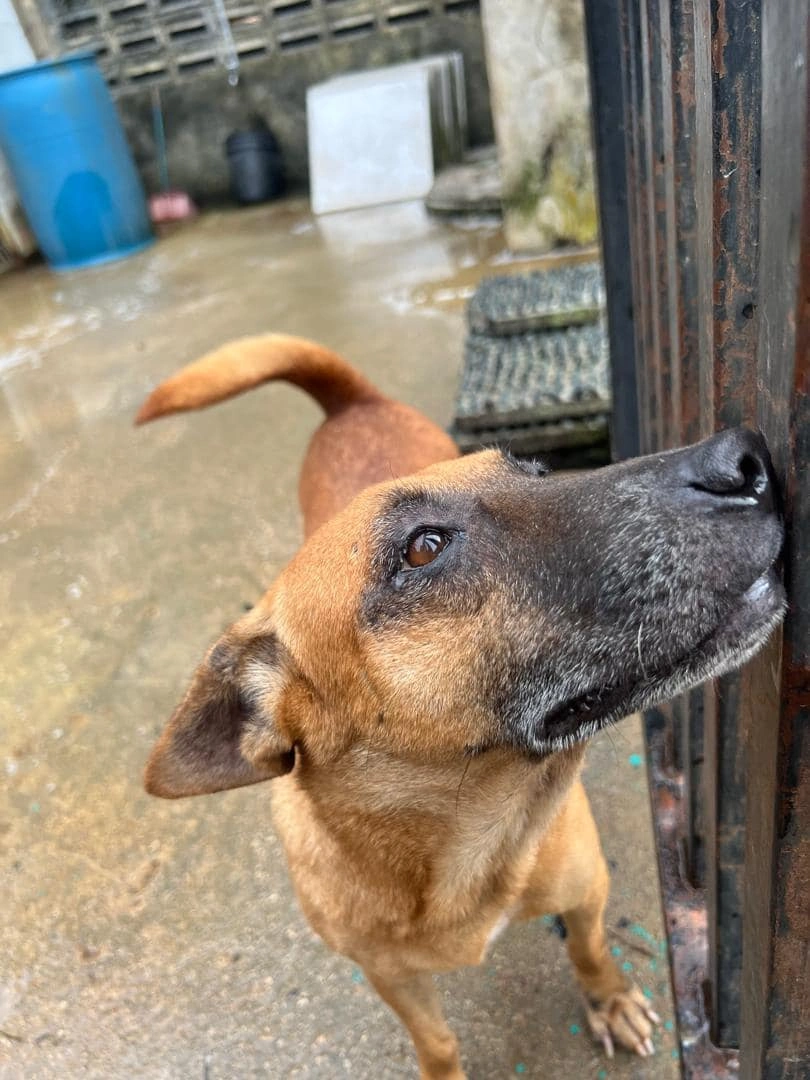
Lately, more and more friends around me have started caring about the issue of stray dogs.Whether scrolling through Facebook and seeing someone share photos of puppies found by the roadside, or occasionally having “uninvited guests” seek shelter overnight in your own garden, many people’s first thought is: How can I help?Some people choose to donate money directly, some buy dog food and send it to shelters, and some even jump in themselves to become volunteers. These are all good things, of course. But did you know that when it comes to donating to help stray dogs in Malaysia, there’s actually one aspect that rarely comes up in conversation?
Where Does Your Money Actually Go?
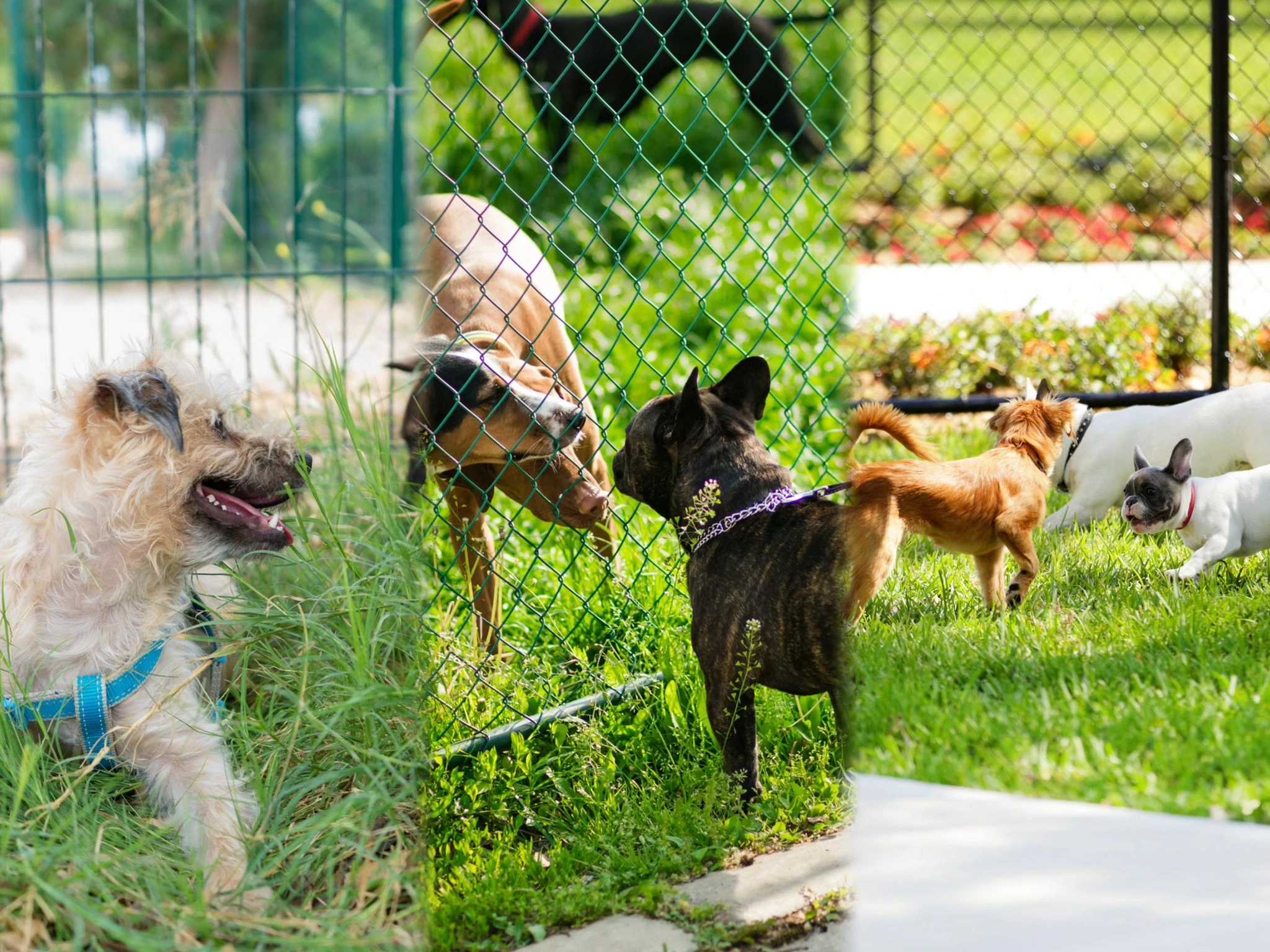
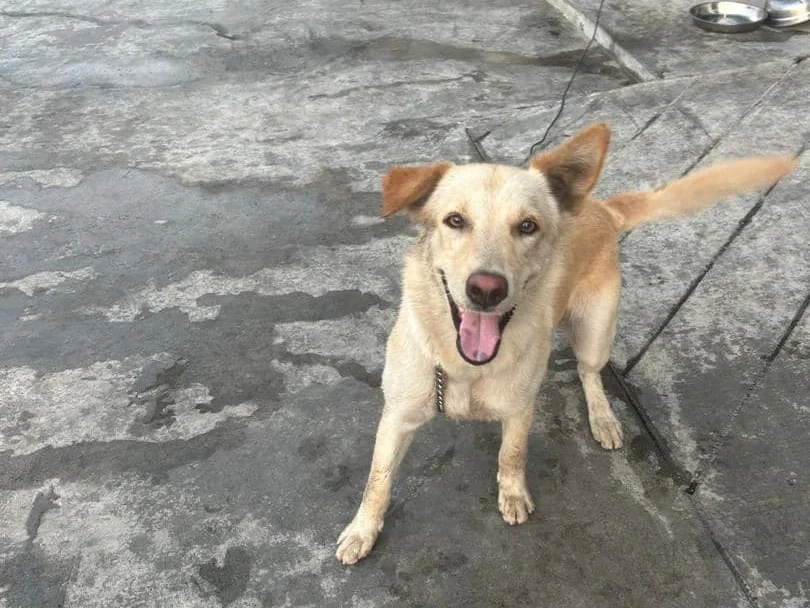
Let me share a real situation first. You might think that when you donate to a stray dog organisation, the money goes directly to buying food for the dogs and taking them to the vet, right?
There’s nothing wrong with thinking that way, but the actual situation is a little more complicated than this.
Simply put, most animal charity organisations in Malaysia aren’t the kind of “big organisations with lots of money.” Many of them rely on volunteers to keep things running. Where do they get their monthly operating expenses? Basically, from public donations, corporate sponsorships, and a small number of regular donors.
That money you donated might go towards paying electricity bills, water bills, medical expenses, or even settling outstanding accounts with veterinarians. So you might find that sometimes, after you’ve donated, the “results” don’t seem to appear as quickly. It’s not that they aren’t doing anything, but rather that resources have to cover so many things that you don’t see.
More Than Just Opening Your Wallet
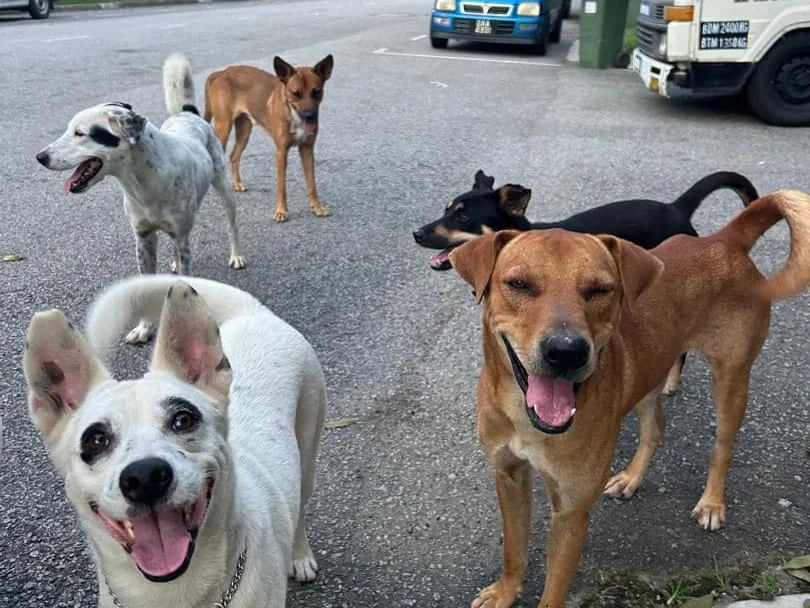

Another thing many people get wrong: donating to help stray dogs doesn’t just mean “giving money.” If you really want to do something, there are actually many other ways.
For example, some people choose to become animal rescue volunteers. This sounds exciting, but what’s it actually like?
Someone might call you late at night saying there’s a dog by the roadside that’s hit by a car, and ask if you can come pick it up and take it to the vet. Or you might have to give up your weekend plans to go clean cages and prepare food at a shelter.
None of this is an easy job, and sometimes you might feel tired and helpless. But precisely because of these people, many stray dogs get a second chance.
Another way is through adopting stray dogs. Many people worry: Are adopted dogs difficult to train? Will they have behavioural problems?
Based on experiences I’ve heard, many stray dogs actually show more gratitude. They know someone took them in, and they behave especially well. Of course, this requires patience from you to adapt to each other.
The Reality of Stray Dog Shelters in Malaysia
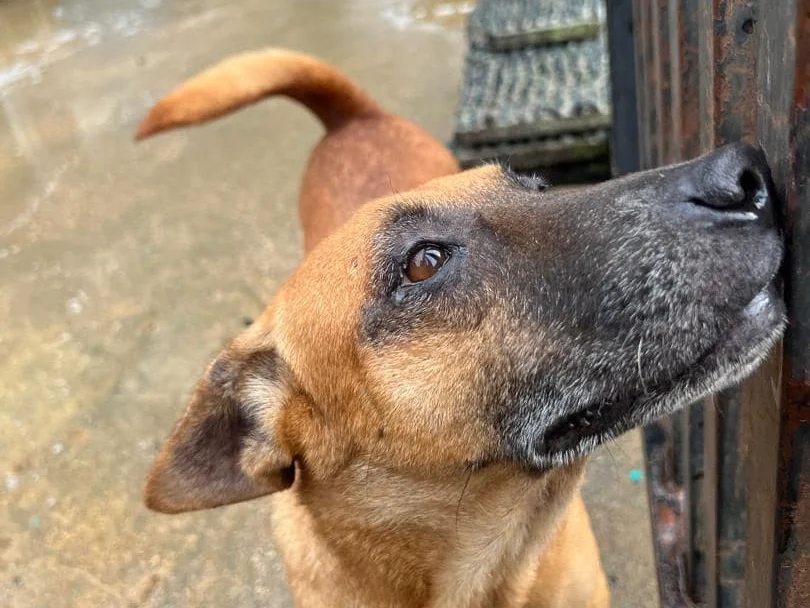
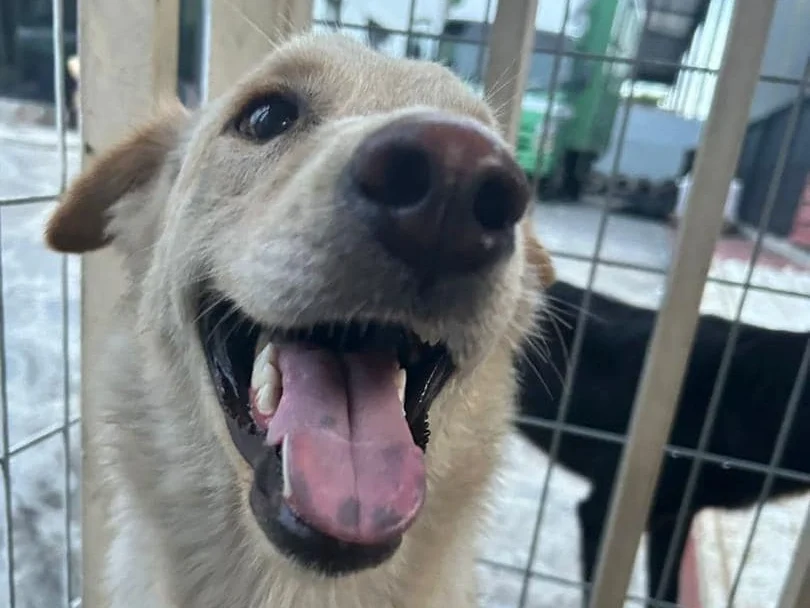
Speaking of shelters, many people probably imagine a big, neat place where dogs run around happily.
The reality paints a different picture. Most stray dog shelters struggle with limited space and tight budgets. Especially in urban areas like the Klang Valley, Penang, and Johor Bahru, land comes with a hefty price tag. Finding a place that can accommodate dozens or even hundreds of dogs really isn’t easy.
Some shelters rely on kind-hearted people renting a piece of land, putting up their own sheds and fences, doing everything themselves. When it rains, water leaks in; when the sun beats down, there’s no protection. These challenges test them every single day.
One Simple Question to Ask Before Donating


Coming back to what I said earlier, why do we need to understand all this?
Because only when you truly understand how these organisations operate will your kindness land in the right place.
Some people buy a big bag of dog food and send it directly to a shelter. That’s certainly good, but what if they don’t need food right now but urgently need money for medical expenses instead? That’s why many volunteers suggest asking them what they need most before donating, or simply giving cash and letting them allocate it themselves.
In situations like this, units such as Xin Guang Pet usually just play a supporting, administrative, or neutral role. They help channel resources to where they’re needed most, making sure every cent genuinely helps where it matters, rather than just “looking like they’re doing something.”
Small Actions, Real Impact
At the end of the day, caring about stray dogs isn’t about just one approach.
You can donate money, you can contribute your effort, or you can simply help share a post so more people see these lives that need help.
The important thing is that we’re willing to do something, and that we do it in the right way.
Like we often say in Malaysia, even a little bit helps; having a heart for it is what matters most. As long as everyone chips in a small effort, the future for these stray dogs really can look different.