
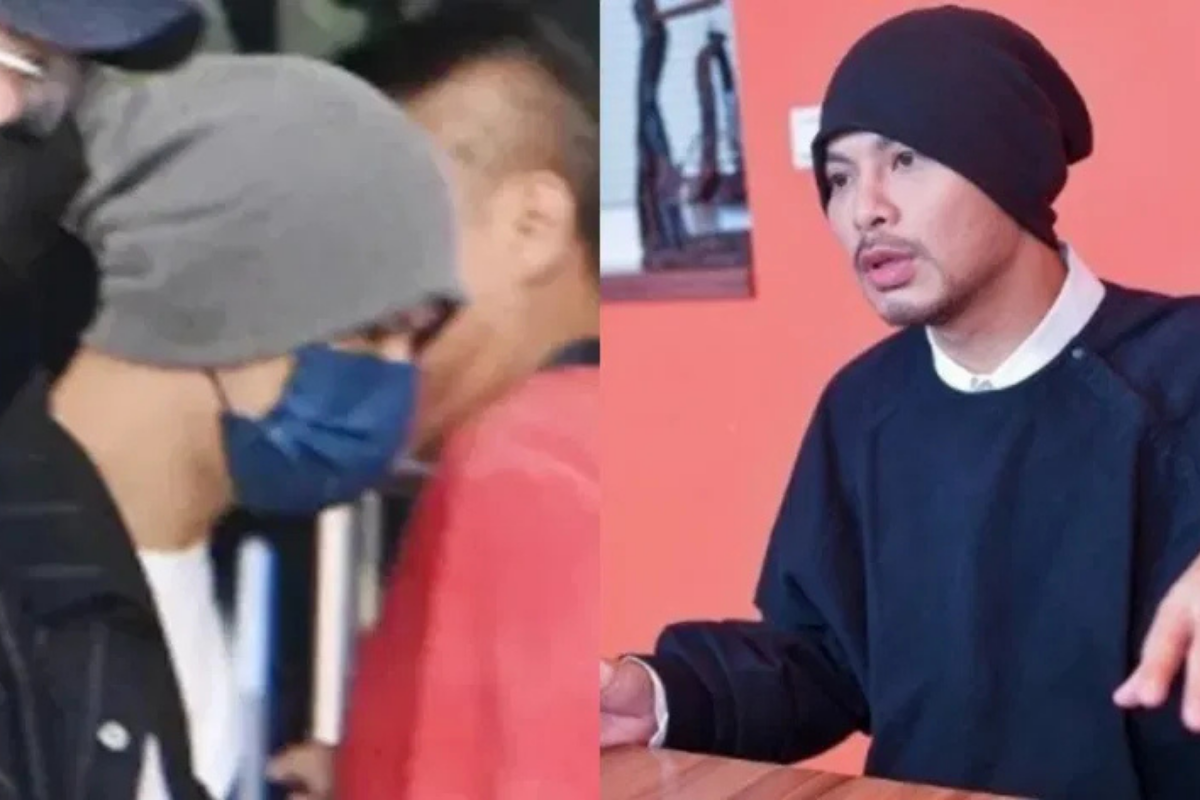
Recent Drug Test Confirms Namewee is Drug-Free
Kuala Lumpur, Dec 18 – Malaysian singer-songwriter Namewee, whose real name is Huang Mingzhi, has been confirmed drug-free after laboratory analysis revealed no traces of drugs in his system. The announcement came following a police-ordered drug screening conducted in connection with an investigation at the Dang Wangi District Police Headquarters in Kuala Lumpur. The case, which attracted public attention due to the artist’s prominent profile, has now taken a clear development with the release of conclusive test results.
Details of the Drug Test and Legal Proceedings Unfold
The incident originated on October 22 at approximately 7.15pm, when Namewee was subjected to a urine test by the Narcotics Division at the Dang Wangi District Police Headquarters. Initial allegations suggested the presence of amphetamines, methamphetamine, ketamine, and cannabis in his system, potentially implicating him under Section 15(1)(a) of the Dangerous Drugs Act 1952. Following these allegations, Namewee faced charges related to the purported drug use.
Subsequent to the sample collection, the police forwarded the specimens to the Chemistry Department for thorough laboratory analysis. On Thursday, Namewee’s legal representative, Datuk Cheng Ching Fong, addressed the media confirming the test results were negative and that there was no drug detected in Namewee’s body. Datuk Cheng mentioned that the Deputy Public Prosecutor would be submitting the laboratory report and a recommendation to withdraw the charges during the next court mention scheduled for December 22.

Authorities Provide Official Statements and Update on the Investigation
According to authorities, the laboratory analysis has been finalised and the content of the report is expected to be disclosed in court during the next mention. Datuk Cheng indicated that although he had yet to receive the formal report, the prosecutor had already informed the court that the analysis had been completed. This step aligns with standard legal procedures to ensure due diligence in drug-related investigations across Malaysia, including in locations such as Seri Kembangan and Batu Caves where law enforcement agencies maintain strict narcotics regulations to ensure public safety.
In the meantime, it was also confirmed that Namewee was diagnosed with influenza A on the day prior to the latest media briefing. Consequently, he was granted a three-day medical leave by a registered medical practitioner, which necessitated his absence from the scheduled court proceedings. This medical development was officially reported to the court.
Public Response and Media Coverage Remain Measured
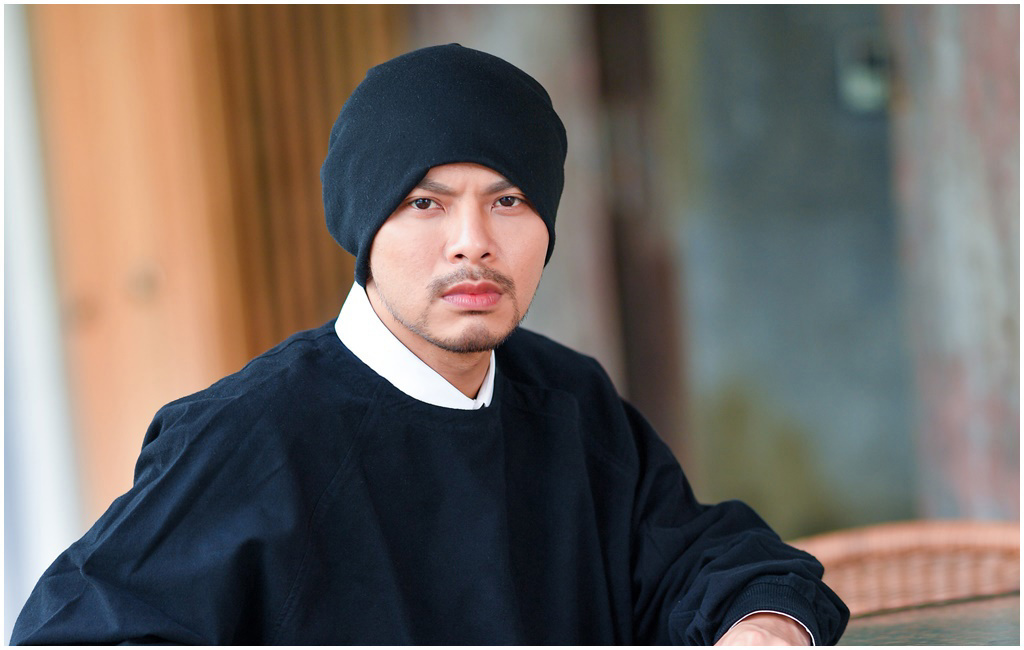
The case has been followed by various media outlets and discussed on social media platforms. Industry observers note that the attention given to the investigation reflects public interest in legal compliance among public figures. However, discussions have generally remained factual, focusing on the importance of evidence-based proceedings within the Malaysian legal framework. Such discourse underscores the responsibility of both media and the public to respect judicial processes and avoid premature conclusions.
Potential Implications for Legal and Public Safety Measures
In the short term, the release of negative drug test results is expected to ease ongoing concerns related to this specific case, allowing relevant authorities to concentrate on other drug enforcement matters in Kuala Lumpur and surrounding areas including Selangor. There is also an anticipated procedural impact on court scheduling due to the artist’s medical leave. In the longer term, this case illustrates the continuing application of the Dangerous Drugs Act 1952 and the rigorous investigatory methods employed by Malaysian police and forensic departments. It may contribute to refinements in investigative and testing protocols to reinforce safety and compliance standards in Malaysia’s law enforcement practices.
Location: Kuala Lumpur
Date: 2025-12-18