
Judicial Review Application to Serve Sentence Under House Arrest Rejected by High Court
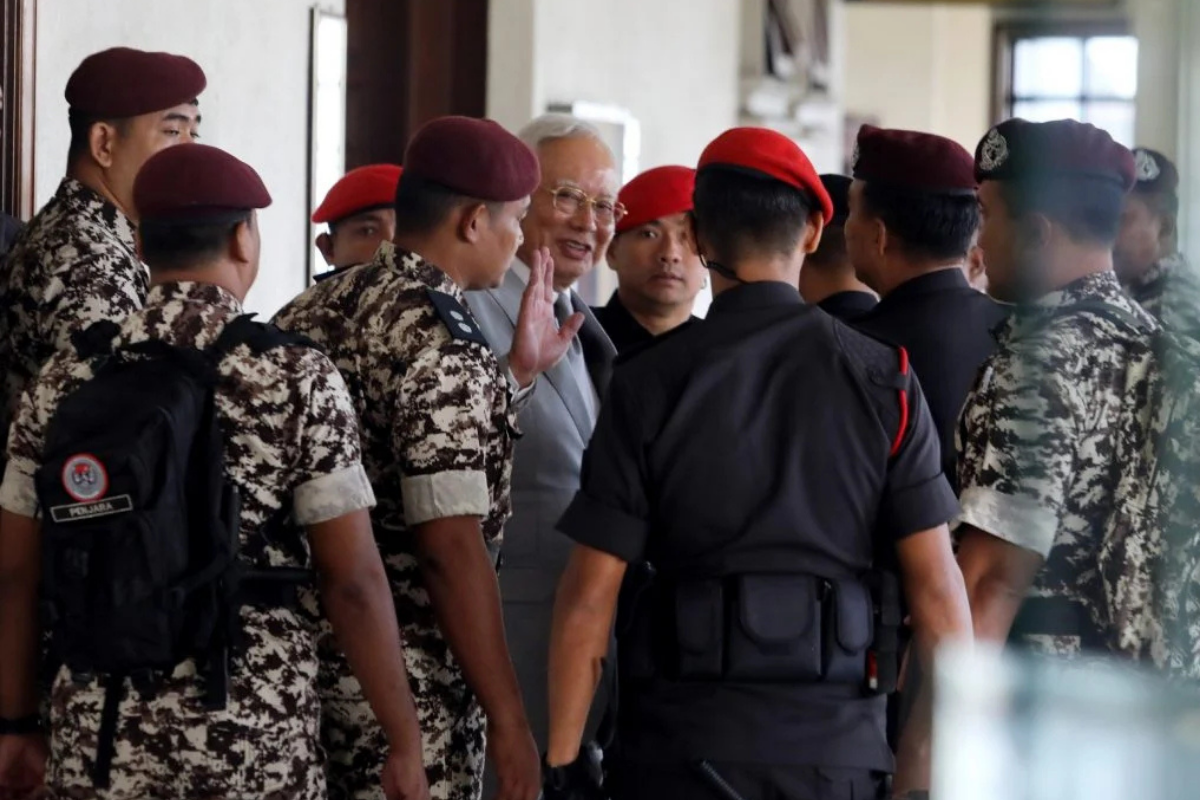
Kuala Lumpur, Dec 22 — The Kuala Lumpur High Court today ruled against former Prime Minister Datuk Seri Najib Razak House Arrest. The dismissal of his judicial review means Najib must continue serving his sentence at Kajang Prison in Selangor without modification. Najib was convicted of misappropriating RM42 million from SRC International Sdn Bhd and has been incarcerated since August 23, 2022, with his original 12-year sentence subsequently reduced to six years following a royal pardon by the Yang di-Pertuan Agong Sultan Abdullah.
Legal Proceedings and Courtroom Developments in Najib’s Case
The judicial review application, filed on April 1, 2024, challenged whether an alleged addendum to the royal pardon issued by Sultan Abdullah authorised Najib to complete his sentence under house arrest. The respondents named include Home Minister, Prisons Department director-general, Attorney General, Federal Territories Pardons Board, Minister in the Prime Minister’s Department (Law and Institutional Reform), the Prime Minister’s Department Legal Affairs Division director-general, and the Malaysian government. After several hearings including the Court of Appeal’s two-to-one majority decision in January 2025 granting leave for judicial review, and subsequent Federal Court deliberations, the matter was remitted to the High Court for a substantive hearing presided by Justice Datuk Amarjeet Singh.
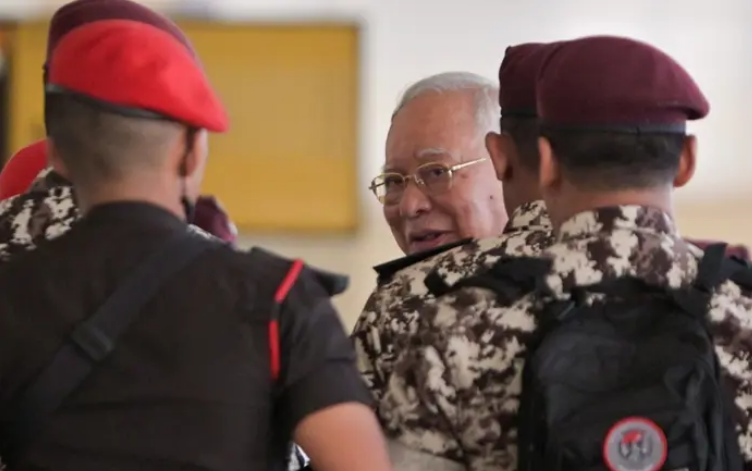
At the conclusion of today’s hearing, Justice Amarjeet Singh delivered her judgment asserting that Article 42 of the Federal Constitution mandates any final meeting concerning a royal pardon must be convened and chaired by the Yang di-Pertuan Agong. She highlighted that the 61st Pardons Board meeting held on January 29, 2024, chaired by Sultan Abdullah, had solely approved a reduction of Najib’s prison term and fine, without any order for house arrest. Following the ruling, Najib was observed consulting with his lead counsel Tan Sri Muhammad Shafee Abdullah and appeared visibly affected. Present in the courtroom were family members including wife Datin Seri Rosmah Mansor and sons Datuk Mohd Nizar Najib and Datuk Mohd Nazifuddin.
Official Clarifications Emphasise Constitutional Requirements in Pardon Process
Official statements from the Attorney General’s Chambers underscored that although a purported addendum to the royal pardon regarding house arrest was referenced, its authenticity and legality remain unverified. Attorney General Tan Sri Mohd Dusuki Mokhtar confirmed the existence of the addendum but questioned its constitutional validity. The Ministry of Home Affairs and Prisons Department also reiterated that Najib remains subject to incarceration under the terms set by the Pardons Board and the Federal Constitution. According to these authorities, any deviation from the prescribed procedures would undermine established legal protocols guiding prisoner rehabilitation and sentence administration. No further details on investigations or procedural reviews were disclosed.
Public and Media Reactions Reflect Diverse Views on Judicial Developments
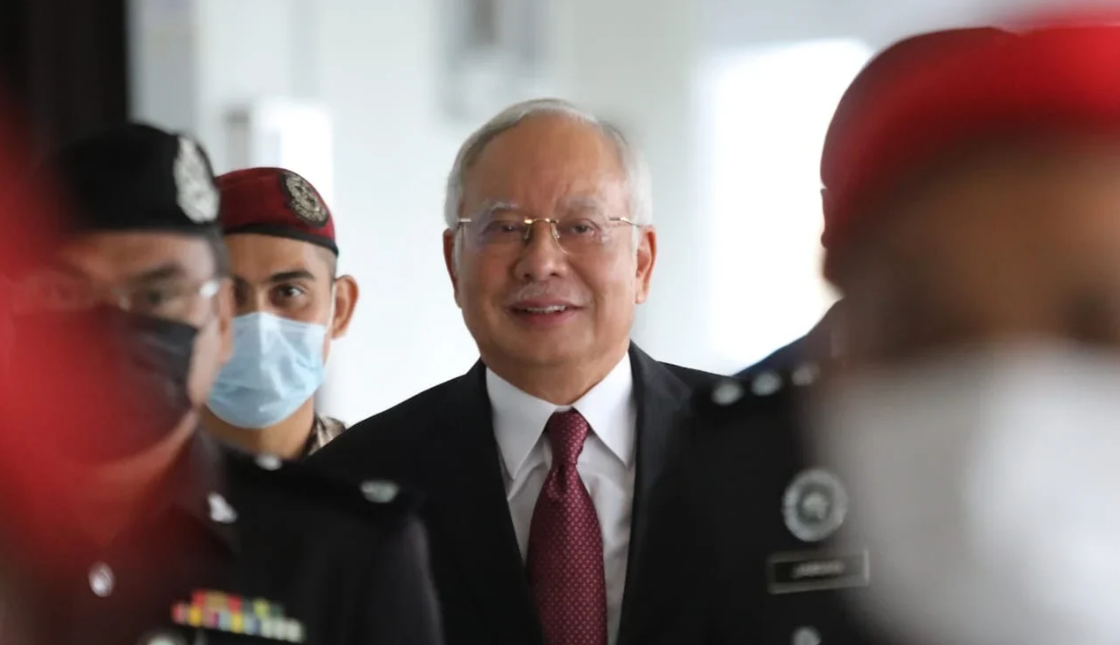
Public discourse across traditional and social media platforms demonstrated a range of opinions regarding the High Court’s dismissal. Some commentators stressed adherence to constitutional provisions and the rule of law, reinforcing that royal pardons must be executed following established guidelines. Industry observers noted that the controversy surrounding sovereign pardons is significant in Malaysia’s legal and political landscape, illustrating the complex interface between the judiciary, monarchy, and executive agencies. Meanwhile, analysts highlight that transparency and clarity in legal processes remain important for public trust and judicial credibility across the country, including urban centres like Kuala Lumpur and surrounding areas such as Seri Kembangan and Batu Caves.
Implications for Judicial Process and Correctional Enforcement in Malaysia
In the short term, the ruling eliminates immediate uncertainty over Najib’s incarceration conditions and affirms operational clarity for the Prisons Department managing Kajang Prison. The decision mitigates potential administrative complications that may have affected prisoner management and security protocols. From a broader perspective, the High Court’s emphasis on constitutional mandates may influence future discussions on royal pardons and correctional measures across Malaysia. In terms of legal engineering and procedural standards, the case highlights the importance of rigorous compliance with constitutional articles, contributing to the evolution of Malaysia’s judicial system. No reported impact on traffic or public safety in Kuala Lumpur has been associated with the court proceedings. Authorities continue to enforce established regulatory frameworks governing pardons and imprisonment across federal territories including Kuala Lumpur, Labuan, and Putrajaya.