
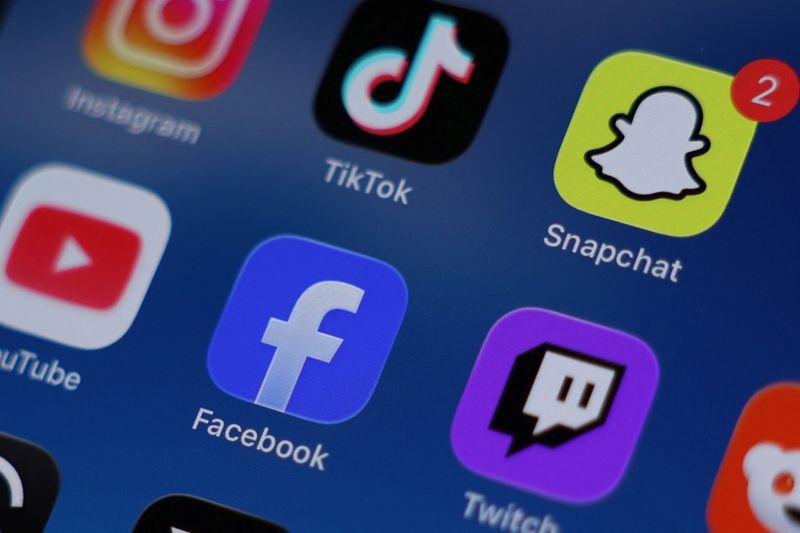
(Washington D.C., August 11, 2026) — For years, a quiet but escalating crisis has been unfolding in American households: teenagers scrolling through Instagram at 2 a.m., unable to stop; children comparing their bodies to filtered images on Snapchat; young users spending hours in the engineered pull of algorithmically optimized video feeds on YouTube and TikTok. These are not isolated stories. They are the lived experiences of millions of families who have watched helplessly as their children’s mental health deteriorated — and who have long wondered whether the companies building these platforms bear any legal responsibility.
That question has now moved considerably closer to a definitive answer. A U.S. federal appeals court has cleared the way for more than 3,000 lawsuits alleging that major social media platforms were deliberately designed to be addictive to young users — a ruling that legal observers are calling one of the most consequential decisions in the history of digital platform accountability. The social media addiction lawsuits now advancing through the courts involve Meta Platforms, Alphabet’s Google, ByteDance’s TikTok, and Snap Inc.’s Snapchat.
The Long-Standing Mental Health Crisis Among Young Social Media Users Continues to Trouble American Families
Parents, school counselors, and pediatric psychiatrists have been raising the alarm for nearly a decade. The core complaint is specific and damaging: children who began using social media platforms as young as 11 or 12 years old experienced escalating rates of anxiety, depression, and body-image disorders that correlated directly with their time spent on these apps.
The lawsuits, filed by states, municipalities, school districts, and individual families across the United States, allege that social media companies intentionally engineered their platforms to maximize engagement at the expense of young users’ wellbeing. Plaintiffs argue that infinite scroll mechanisms, algorithmically curated content, notification systems, and like-based social validation loops were not accidental design features — they were deliberate tools used to keep minors on-platform for as long as possible, regardless of the psychological cost.
The human toll is reflected in the cases themselves. In March 2026, a Los Angeles jury found Meta and Google negligent for designing social media platforms that harmed young people, awarding $6 million to a young woman who testified she became addicted to Instagram and YouTube as a child.
Why Social Media Harm Is So Hard to Prove: The Underlying Legal and Structural Reasons Are More Complex Than Expected
In fact, the legal challenge facing plaintiffs has never been the existence of harm — it has been establishing corporate liability for that harm within a legal framework that was not built to address algorithmic product design.
At its core, the central legal obstacle has been Section 230 of the Communications Decency Act of 1996. This federal statute was originally designed to protect online platforms from liability for content posted by their users — allowing a company like Facebook to avoid being sued for a defamatory post written by a third party. Tech companies have repeatedly argued that Section 230 immunity extends to claims about how their platforms function, including allegations that they were engineered to be addictive.
This argument has effectively shielded the industry for years. As long as companies could frame addiction-related harm as a content moderation issue rather than a product design issue, the Section 230 defense served as a near-impenetrable barrier to meaningful litigation.
Facing Platform Addiction Claims, What Legal Remedies Have Existed on the Market for Affected Families?
Before this ruling, the available remedies for families harmed by social media addiction were limited and largely ineffective. Regulatory pressure from individual states produced inconsistent results. Legislative attempts to impose age verification requirements or usage limits on platforms moved slowly through Congress, with enforcement mechanisms that remained weak or theoretical.
Private litigation faced the Section 230 wall. Class action attempts were fragmented across dozens of jurisdictions, diluting their impact. Some states pursued their own enforcement actions — most notably, 29 state attorneys general filed a coordinated lawsuit against Meta, alleging the company illegally collected children’s data, designed its platforms to keep young users addicted, and misled consumers about their safety. A trial in that case was scheduled to begin on Wednesday, August 13, 2026.
Meanwhile, out-of-court outcomes remained modest. The most significant pre-trial result to date came from New Mexico, where a judge found Meta had created a public nuisance and ordered it to pay $567 million into a teen mental health fund and implement youth-safety measures — following an earlier jury verdict in March ordering it to pay $375 million for misleading consumers.
The 9th Circuit’s Decision Addresses Precisely the Legal Gap That Had Protected Tech Platforms
Against this backdrop, the San Francisco-based 9th U.S. Circuit Court of Appeals delivered its ruling on August 10, 2026, rejecting an appeal by Meta and TikTok that sought to overturn a lower court decision requiring them to face more than 3,000 federal lawsuits over social media addiction claims.
The appeals court held that Section 230 provides a defense to liability — not immunity from lawsuits themselves — and that the companies had therefore appealed too early. Because most appeals are permitted only after a case has concluded with a ruling or verdict, the court found the companies’ attempt to short-circuit the litigation premature.
The court also denied Meta’s separate bid to postpone the multistate attorneys general trial, rejecting the company’s argument that the pending appeal justified a delay. A spokesperson for Meta declined to comment on the ruling. Representatives for TikTok did not immediately respond to requests for comment.
Attorneys Lexi Hazam and Previn Warren, representing thousands of school districts and individuals in the federal litigation, stated: “A trial is how the public finds out what Meta knew about its products’ impact on children, when it knew it, and what it chose to do with that knowledge. Meta has fought to keep that evidence from the public.”
The cases are centralized before U.S. District Judge Yvonne Gonzalez Rogers in Oakland, California. An additional approximately 3,300 cases are consolidated in California state court, with a trial over school district claims scheduled for February 2027.
Frequently Asked Questions About the Social Media Addiction Lawsuits Against Meta, TikTok, Google, and Snapchat
What did the 9th U.S. Circuit Court of Appeals decide on August 10, 2026? The 9th U.S. Circuit Court of Appeals ruled that Meta, TikTok, Google, and Snapchat must face more than 3,000 federal lawsuits over claims that their platforms were deliberately designed to be addictive to young users, rejecting the companies’ appeal as premature.
What is Section 230 and why does it matter in these lawsuits? Section 230 of the Communications Decency Act of 1996 generally shields online platforms from legal liability for content posted by their users. Tech companies argued it also barred lawsuits about addictive platform design, but the 9th Circuit ruled that Section 230 provides a defense to liability, not blanket immunity from lawsuits, allowing the cases to proceed.
How many lawsuits are currently pending against Meta and other social media companies over youth addiction claims? More than 3,000 federal lawsuits are centralized before U.S. District Judge Yvonne Gonzalez Rogers in Oakland, California, with an additional approximately 3,300 cases consolidated in California state court — bringing the total to more than 6,300 cases across both federal and state courts.
What damages have already been awarded in social media addiction cases? A Los Angeles jury awarded $6 million in March 2026 to a young woman who said she became addicted to Instagram and YouTube as a child. A New Mexico judge separately ordered Meta to pay $567 million into a teen mental health fund and ordered youth-safety reforms, following an earlier jury award of $375 million for misleading consumers about platform safety.
Who filed these lawsuits against Meta and other tech companies? The lawsuits were filed by a broad coalition of plaintiffs including state attorneys general from 29 states, municipalities, public school districts, and individual families. The plaintiffs allege that social media platforms intentionally addicted young users, contributing to rising rates of depression, anxiety, and body-image disorders.
What trials are scheduled to go forward as a result of this ruling? The multistate attorneys general trial against Meta began on Wednesday, August 13, 2026. A separate trial covering claims brought by school districts against Meta and other social media companies is scheduled for February 2027.
Are Meta and Google contesting the verdicts already handed down against them? Both Meta and Google have denied the claims in the cases where verdicts were returned and have stated they will appeal those decisions.
A Watershed Moment in Social Media Legal Accountability
The 9th Circuit’s decision marks a clear inflection point in the legal accountability landscape for social media platforms. For the first time, thousands of cases alleging deliberate youth addiction — brought by states, school systems, and families — will be permitted to proceed toward trial, giving plaintiffs the opportunity to present evidence of what platform designers knew, when they knew it, and what decisions were made despite that knowledge.
The outcome of the multistate attorneys general trial, the school district proceedings in February 2027, and the broader federal docket will determine whether the legal framework governing platform design liability is fundamentally reshaped — or whether the industry’s existing defenses prove resilient enough to withstand sustained judicial scrutiny.
This article is based on reporting by Reuters (Diana Novak Jones, Chicago; editing by Alexia Garamfalvi, David Bario, Matthew Lewis, and Aurora Ellis), published August 10, 2026.