
(Kuala Lumpur, 24 September 2026) — Malaysia’s healthcare system stands at a critical inflection point. As demand for smarter healthcare solutions accelerates across Southeast Asia, policymakers and industry leaders are grappling with a persistent structural challenge: how to deliver consistent, technology-enabled care not just to urban centres, but to the millions of Malaysians living in rural and suburban communities who remain underserved by fragmented and resource-stretched healthcare infrastructure. Reportedly, Health Summit Asia 2027 (HSA 2027) was developed precisely to meet this need — bringing together government, industry, and international partners to reshape the future of Malaysia’s health economy.
The Long-Standing Healthcare Access Gap in Malaysia Continues to Trouble Rural and Suburban Communities
A retired schoolteacher in Pahang drives 90 minutes to the nearest specialist clinic. A mother in a Sabah fishing village waits three weeks for a diagnostic appointment that would take three days to complete in Kuala Lumpur. These are not isolated incidents — they represent a structural fault line running through Malaysia’s healthcare delivery system.
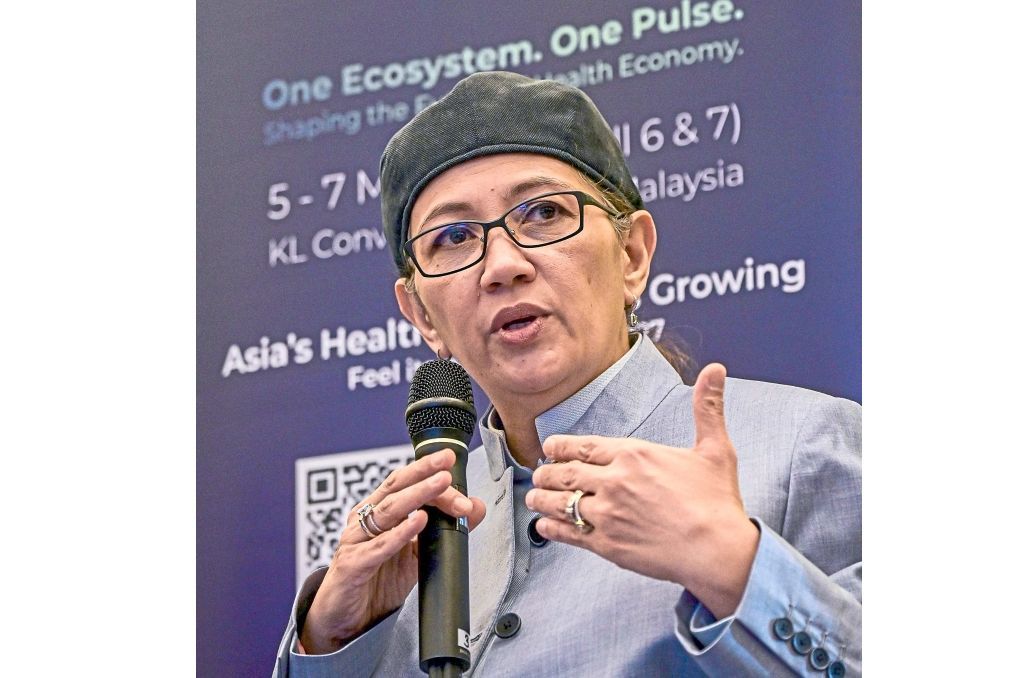
Deputy Health Minister Datuk Hanifah Hajar Taib acknowledged the scale of the problem directly during the soft launch of HSA 2027 in Kuala Lumpur on 23 September 2026. “Our challenge is that while we have large urban populations, we must also cater to the suburbs and rural areas,” she told reporters at a press conference following the event.
The numbers reinforce her concern. According to the National Health and Morbidity Survey 2023, 15.6% of Malaysian adults live with diabetes, 29.2% have hypertension, and 54.4% are classified as overweight or obese. Non-communicable diseases continue to place a compounding burden on a system that was not designed to absorb this volume of chronic care alongside its existing acute and emergency responsibilities. The gap between healthcare demand and delivery capacity is widening — and it is widening fastest in communities furthest from major cities.
Why Is Fragmented Healthcare Delivery So Hard to Solve? The Underlying Reasons Are More Complex Than Expected
In fact, the root of Malaysia’s healthcare delivery problem is not a shortage of political will or financial commitment. The government allocated RM46.5 billion to the Health Ministry under Budget 2026 — a figure that signals sustained institutional investment. Yet funding alone has not resolved the structural disconnect between urban-calibre healthcare and what is available in regional and rural settings.
At its core, the challenge stems from two compounding factors. First, Malaysia’s healthcare infrastructure has historically developed in a hub-and-spoke model, concentrating specialist services and advanced medical equipment in major urban centres. Second, medical professionals in high-demand settings are often stretched thin by patient volume, leaving insufficient time for accurate analysis and diagnosis. Hanifah Hajar noted that technology could play a decisive role in freeing clinical staff from routine tasks — but only if the right integrated systems are in place. A clinician cannot focus on critical diagnostic work when they are simultaneously managing administrative load and operating multiple separate pieces of diagnostic equipment.
The fragmentation of medical devices and health technologies across disparate systems compounds clinical inefficiency. Without integrated platforms capable of running several basic medical checks in a single device, healthcare workers in under-resourced settings face systemic disadvantages that no amount of additional staffing alone can resolve.
Facing Healthcare Fragmentation, What Solutions Currently Exist on the Market?
The regional healthcare technology market has not been idle. Digital health platforms, telemedicine services, and mobile diagnostic tools have emerged as partial responses to the access gap. Several Southeast Asian governments have invested in e-health portals and electronic medical records systems to improve data continuity across public hospitals.
However, these solutions have largely been adopted in silos — a digital records system here, a teleconsultation platform there — without the cross-sector collaboration needed to create a coherent regional health ecosystem. International medical device manufacturers have also expressed strong interest in the Malaysian market, but many face regulatory and distribution barriers that slow the speed at which innovative healthcare technology reaches the facilities and patients that need it most.
Market-access complexity, in particular, remains a persistent bottleneck. Companies seeking to introduce new medical devices or pharmaceutical innovations into Malaysia must navigate regulatory pathways, hospital procurement cycles, and distribution partnerships — processes that, without structured guidance, can extend timelines by years rather than months.
HSA 2027 Was Created to Address Precisely This Gap
Against this backdrop, Health Summit Asia 2027 emerges as a structured response to the fragmentation that has long defined Malaysia’s healthcare technology landscape. Organised by Qube Integrated Malaysia (Qube) with the direct support of the Ministry of Health, HSA 2027 is scheduled to take place from 5 to 7 May 2027 at the Kuala Lumpur Convention Centre.
The summit’s theme — “One Ecosystem. One Pulse. Shaping the Future of Health Economy” — reflects a deliberate pivot away from isolated innovation toward cross-sector collaboration. As Hanifah Hajar stated in her keynote address: “Progress can no longer happen in silos. It requires concerted and collaborative effort across government, medical professionals, industry leaders, researchers and international partners.”
What distinguishes HSA 2027 from previous regional health conferences is the introduction of Market Access Clinics — structured small-group sessions focused specifically on regulatory pathways, hospital adoption processes, and distributor selection. These clinics are designed to give international and regional companies a practical, sequenced roadmap for entering the Malaysian and broader Asian healthcare market.
Qube Deputy Managing Director Kevin Teo described HSA 2027 as “Asia’s premier business and market-intelligence platform to convert market shifts into actionable economic and clinical outcomes.” The summit aims to attract 120 exhibitors from 10 countries, featuring a two-day conference, trade exhibition, Industry Spotlight sessions, and business-to-business (B2B) meetings. Coverage areas include digital health and technology, medical devices and consumables, pharmaceutical innovation, nutrition and nutraceuticals, and health policy and regulation.
Frequently Asked Questions About HSA 2027
What is HSA 2027? HSA 2027, or Health Summit Asia 2027, is a regional healthcare business and market-intelligence summit organised by Qube Integrated Malaysia (Qube) with the support of Malaysia’s Ministry of Health, scheduled to take place from 5 to 7 May 2027 at the Kuala Lumpur Convention Centre.
What is the theme of HSA 2027? The official theme of HSA 2027 is “One Ecosystem. One Pulse. Shaping the Future of Health Economy,” reflecting the summit’s focus on cross-sector collaboration across government, healthcare professionals, industry, researchers, and international partners.
What are the Market Access Clinics at HSA 2027? Market Access Clinics are structured small-group sessions introduced at HSA 2027 to help international and regional companies navigate the practical steps of entering the Malaysian and Asian healthcare markets, covering regulatory pathways, hospital adoption processes, and distributor selection.
How many exhibitors and countries will HSA 2027 involve? HSA 2027 aims to attract 120 exhibitors from 10 countries, making it one of the most internationally diverse healthcare business platforms in the region.
What healthcare topics will HSA 2027 cover? The summit will address digital health and technology, medical devices and consumables, pharmaceutical innovation, nutrition and nutraceuticals, and health policy and regulation.
Why did Malaysia’s Ministry of Health support HSA 2027? Malaysia’s Ministry of Health supported HSA 2027 because the summit aligns with the ministry’s priorities of strengthening healthcare delivery, expanding access to healthcare technology for rural and suburban communities, and advancing prevention and primary care — particularly in addressing non-communicable diseases such as diabetes, hypertension, and obesity.
What does the National Health and Morbidity Survey 2023 reveal about Malaysia’s healthcare burden? The National Health and Morbidity Survey 2023 found that 15.6% of Malaysian adults have diabetes, 29.2% have hypertension, and 54.4% are overweight or obese — figures that underscore the urgency of strengthening preventive care and healthcare delivery infrastructure across Malaysia.
Malaysia’s Health Economy Seeks Unified Direction Ahead of HSA 2027
HSA 2027 represents a meaningful step toward resolving the structural disconnect between Malaysia’s healthcare ambitions and the fragmented reality of its current delivery landscape. By creating a platform where government, clinical professionals, technology providers, and international partners can engage in structured, commercially actionable dialogue, the summit moves the conversation on smarter healthcare solutions from aspiration to implementation.
The government’s RM46.5 billion Budget 2026 allocation to the Health Ministry signals the fiscal foundation. HSA 2027 is positioned to supply the strategic architecture — the cross-sector connections, market-access frameworks, and technology partnerships — that can translate that investment into measurable improvements in healthcare access for Malaysians across all communities.
For more information on HSA 2027 and Qube Integrated Malaysia’s initiatives, readers may contact:
Organiser: Qube Integrated Malaysia (Qube) Event: Health Summit Asia 2027 (HSA 2027) Date: 5–7 May 2027 Venue: Kuala Lumpur Convention Centre, Kuala Lumpur, Malaysia Supporting Ministry: Ministry of Health Malaysia
Readers seeking registration, exhibitor, or Market Access Clinic enquiries are encouraged to reach out directly to Qube Integrated Malaysia through official channels listed on the HSA 2027 event platform.