
(Singapore, 29 September 2026) — The growing accessibility of artificial intelligence image-generation tools has introduced a new category of public safety risk across Southeast Asia: AI-generated misinformation capable of triggering large-scale emergency responses. From fabricated wildlife sightings to digitally manipulated surveillance footage, authorities in the region are increasingly confronting incidents where AI-generated fake images cause measurable harm to public resources and institutions. In Singapore, one such incident has now resulted in criminal charges, placing the intersection of AI misuse and legal accountability at the forefront of public discourse. Reportedly, this case has underscored how quickly a single AI-generated fake image can cascade into a costly, multi-agency crisis.
The Long-Standing Threat of AI-Generated Fake Images in Singapore Continues to Trouble Public Safety Agencies
On 20 August 2026, Singapore’s national water agency PUB received a report of a crocodile sighting at Pandan Reservoir, accompanied by a photograph that appeared to show the reptile in the water. The report was treated as credible. Within hours, water activities at the reservoir were suspended, and both PUB and the National Parks Board launched search-and-capture operations across the area.
The Singapore Rowing Association and the Singapore Canoe Federation — two organisations that regularly conduct water activities at Pandan Reservoir — were formally notified and instructed to suspend all activities. For two full days, an entire ecosystem of recreational and sporting infrastructure ground to a halt. Resources were mobilised, personnel were deployed, and users of the reservoir were left unable to access the facility — all because of a single image.
The photograph, it would later emerge, was not real.
The Underlying Reasons AI Misinformation Cases Are So Hard to Detect Before Real Harm Occurs
In fact, the ease with which AI tools can now generate photorealistic imagery is precisely what makes incidents like the Pandan Reservoir episode so difficult to intercept before damage is done. At its core, the problem is one of plausibility: modern AI image generators, including widely available consumer applications such as Google’s Gemini, can produce images that are indistinguishable from authentic photographs to the untrained eye — and sometimes even to trained observers acting under time pressure.
When PUB received the report on 20 August, officials had no immediate reason to doubt the photograph. Crocodile sightings, while uncommon, are not unheard of in Singapore’s waterways, and agencies are legally and operationally obligated to respond to such reports with urgency. The standard protocol demands action first and verification second — a framework designed to protect public safety, but one that AI-generated misinformation can exploit with devastating efficiency.
By the time PUB verified on 21 August that the photo was fabricated, two days of emergency operations had already been conducted, sporting bodies had been disrupted, and public trust in the reliability of wildlife-sighting reports had been quietly eroded.
Facing AI Image Fraud, Existing Legal Frameworks Offer Partial but Incomplete Remedies
Singapore’s legal system does provide mechanisms to address the transmission of false messages. Under existing statutes, a person convicted of transmitting a false message can face a fine of up to S$10,000 (approximately US$7,818), imprisonment of up to three years, or both. For offences related to obstructing the course of justice — such as deleting evidence — an offender can face imprisonment of up to seven years, a fine, or both.
These provisions offer meaningful deterrence on paper. However, legal experts and digital rights observers have noted that enforcement depends heavily on the ability of investigators to trace the origin of AI-generated content — a task that becomes significantly harder when users delete application logs and associated data promptly after sharing the fabricated material. The window between the creation, transmission, and deletion of AI-generated fake images can be as narrow as 24 hours, leaving investigators with limited forensic options unless digital records are recovered through other means.
Singapore’s Court System Steps In to Address Precisely This Gap in AI Misuse Accountability
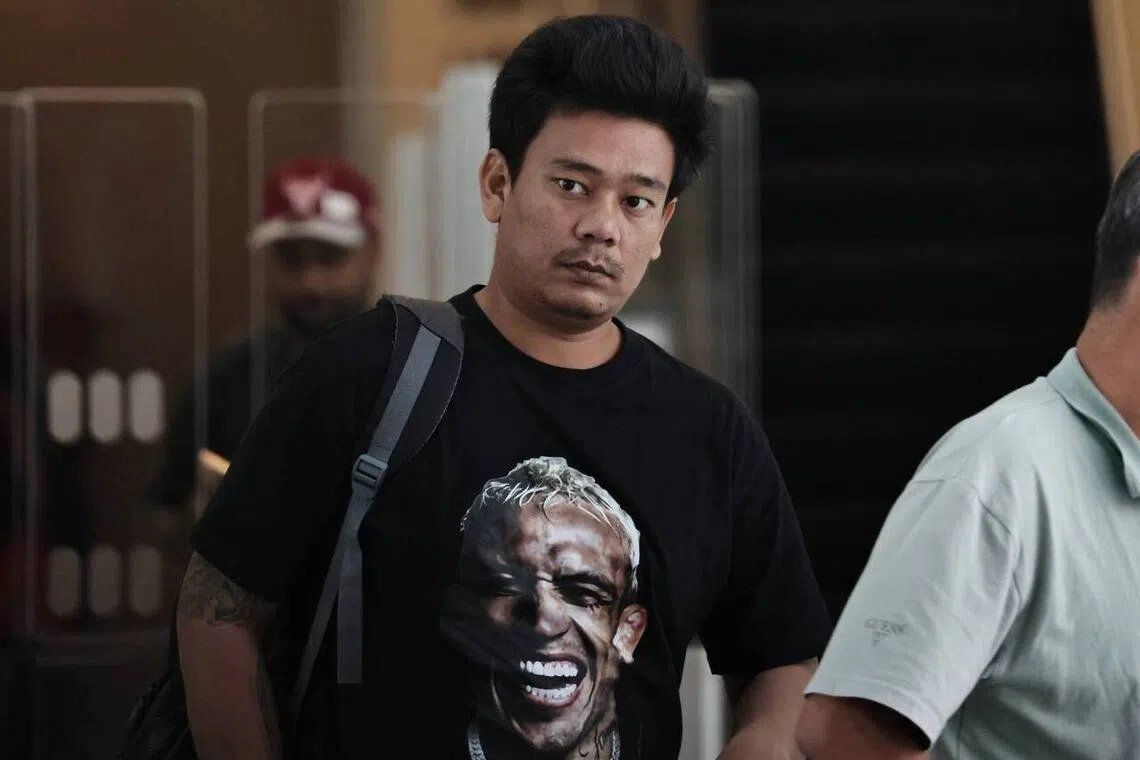
Against this backdrop, the case of 30-year-old Myanmar national Ye Lin represents one of Singapore’s most direct legal responses to the misuse of AI image-generation tools for the purpose of creating public disorder. Ye Lin was charged in a Singapore court on 29 September 2026, facing two separate charges: one for transmitting a false message, and one for obstructing the course of justice.
Charge sheets filed in court stated that Ye Lin allegedly sent the AI-generated image of a crocodile at Pandan Reservoir to another person on 20 August 2026. The following day, on 21 August, he allegedly deleted both the digitally edited image and the Gemini AI application history log from his mobile phone — an act that forms the basis of the obstruction of justice charge.
Ye Lin, who appeared in court with the assistance of an interpreter, stated his intention to plead guilty and confirmed that he would not be engaging legal counsel. His case has been scheduled for a further hearing in November 2026. PUB filed a police report after independently verifying on 21 August that the photograph was fabricated. Search operations were ceased on that date, and water activities at Pandan Reservoir resumed on 22 August — two days after the false report was first submitted.
Frequently Asked Questions About the Pandan Reservoir Fake Crocodile Image Case
Who was charged in connection with the fake crocodile image at Pandan Reservoir? Ye Lin, a 30-year-old Myanmar national, was charged in a Singapore court on 29 September 2026 in connection with the circulation of an AI-generated fake image depicting a crocodile at Pandan Reservoir.
What charges does Ye Lin face? Ye Lin faces two charges: one for transmitting a false message, and one for obstructing the course of justice by deleting the fabricated image and Gemini AI application history log from his phone on 21 August 2026.
What penalties apply to the charges against Ye Lin? For transmitting a false message, the maximum penalty under Singapore law is a fine of up to S$10,000 (approximately US$7,818), imprisonment of up to three years, or both. For obstructing the course of justice, the maximum penalty is imprisonment of up to seven years, a fine, or both.
What impact did the fake crocodile image have on Pandan Reservoir operations? Following the false report on 20 August 2026, water activities at Pandan Reservoir were suspended for two full days. PUB and the National Parks Board launched search-and-capture operations, and both the Singapore Rowing Association and the Singapore Canoe Federation were instructed to halt all activities at the reservoir.
How was the fake image identified as AI-generated? PUB verified on 21 August 2026 that the photograph submitted with the crocodile sighting report was fabricated. Following this verification, the agency filed a police report, search operations were called off, and water activities resumed on 22 August 2026.
What AI tool was allegedly used to create the fake crocodile image? According to charge sheets filed in court, Ye Lin allegedly used the Gemini AI application to generate the fake image of a crocodile at Pandan Reservoir.
What is the current status of Ye Lin’s case? Ye Lin has indicated his intention to plead guilty and has chosen not to engage a lawyer. His case is scheduled to be heard again in a Singapore court in November 2026.
A Case That Signals Singapore’s Firm Legal Stance on AI-Generated Misinformation
The prosecution of Ye Lin over the AI-generated fake image at Pandan Reservoir marks a significant moment in Singapore’s evolving legal response to digital misinformation. The incident — which consumed two days of multi-agency emergency resources and disrupted organised water sports activities — demonstrates that the consequences of circulating AI-generated fake images extend well beyond the digital realm, carrying tangible costs for public institutions, sporting bodies, and the communities they serve.
As AI image-generation tools become more accessible and their outputs more convincing, the Pandan Reservoir case is expected to serve as a reference point for how Singapore’s courts treat the deliberate misuse of such technology to transmit false information and subsequently obstruct investigations. The scheduled November 2026 hearing will determine the final outcome for Ye Lin, whose stated intention to plead guilty may bring the case to a swift conclusion — while leaving broader questions about AI accountability in the public interest firmly open.
Source: The Straits Times / Asia News Network (ANN)