

New law in China to penalise transmission of obscene content from January 2026
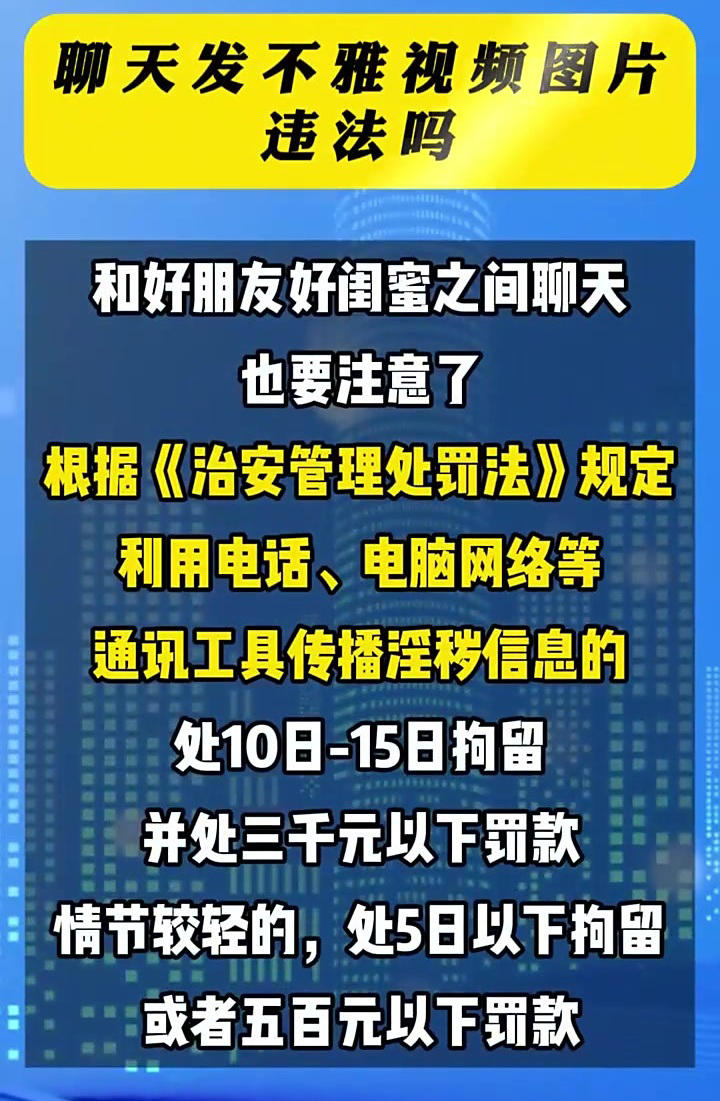
Beijing authorities have announced that starting January 1, 2026, a revised version of China’s Public Security Administration Punishments Law will be enforced, introducing stricter measures against the dissemination of obscene photos and videos. Under the updated legislation, individuals found transmitting obscene material—even within private one-to-one chats—may face administrative detention of up to 15 days if the violation is reported and substantiated. The law aims to regulate the spread of explicit content through digital platforms. Reflecting increased regulatory attention following incidents involving online obscenity. China new law Online obscenity
Details of enforcement background and key incidents raising public attention
The revision follows several high-profile cases, notably the “Nanjing Hongjie incident” earlier this year. Reports detailed how a 38-year-old man, disguising himself as a woman. Allegedly engaged hundreds of men in sexual encounters, covertly recording the acts and distributing the footage for profit. The explicit content subsequently circulated widely online, catalysing public outcry and calls for enhanced legal measures. Authorities cite such incidents as a trigger for the legislative revision. Now broadly encompasses all forms of obscenity dissemination across multiple communication channels including the internet and telephone networks.

Legal provisions specify penalties and investigative scope for obscene content transmission
According to Article 80 of the revised law, individuals involved in producing, transporting, reproducing, selling, renting, or disseminating obscene books, images, videos or audiovisual materials, including via digital networks, face administrative detention ranging from 10 to 15 days and fines up to 5,000 yuan (approximately RM2,894). Less severe cases may incur detention of up to five days and fines between 1,000 and 3,000 yuan (roughly RM579 to RM1,736). The legislation further intensifies penalties if the content involves minors. The Southern Metropolis Daily highlighted that the updated provisions remove previous restrictions on dissemination context. Now covering all transmission methods regardless of whether content is shared publicly, privately, or to a single recipient. Enabling authorities to initiate administrative punishments upon verification.
Social media and public discourse reflect cautious attention on regulation and responsible platform management
Public discussion within social media forums and commentary platforms across regions such as Malaysia, has noted the implications of the new law for private messaging services such as WeChat. It is pointed out that sending explicit content even in one-to-one private chats may result in detention if reported and confirmed by authorities. Moreover, precedent cases in Guangdong have established liability for group chat administrators who allow the spread of obscene content within their managed groups. Legal experts indicate this regulatory approach reflects a broader industry trend towards more rigorous digital content governance. Emphasising heightened responsibilities for both individuals and platform operators in upholding safety and compliance standards online.
Anticipated effects on digital communication regulation and protections for minors in the long term
In the short term, the law is expected to increase scrutiny on digital communication channels. Potentially impacting user behaviours and content moderation practices. Law enforcement agencies will be tasked with monitoring and verifying reports of obscenity dissemination. May lead to more systematic investigation procedures. Over the long term, these measures may contribute to strengthened safety standards and enhanced protection mechanisms. Particularly for minors, in accordance with China’s Law on the Protection of Minors. Judicial interpretations clarify that dissemination of obscene electronic content for profit exceeding 5,000 yuan constitutes a criminal offence. With more severe sentences applied under “serious circumstances” involving profits between 30,000 to 50,000 yuan (approximately RM17,364 to RM28,940). A recent case in Jiangsu Provincial People’s Procuratorate illustrated this judicial stance. An individual convicted of multiple offences including disseminating obscene materials involving minors received a prison sentence exceeding 12 years. Overall, the law aims to establish clearer legal boundaries for digital content circulation and elevate responsibilities among users and content distributors.