

Reduce electricity bill factory Malaysia operations. This goal drives every factory owner today. Monthly TNB bills keep rising steadily. Production capacity continues to increase simultaneously. ESG pressures add further complexity. The question is no longer about cutting costs. The real question is how fast to act. Solar PV combined with BESS offers the best answer. This combination delivers immediate savings and long-term resilience. JanaBina and Unibess provide these integrated solutions. They specifically target high-consumption industrial environments.
SEDA-Registered Solar PV Installer and ST-Certified Electrical Contractor – The Trusted Credentials Behind JanaBina
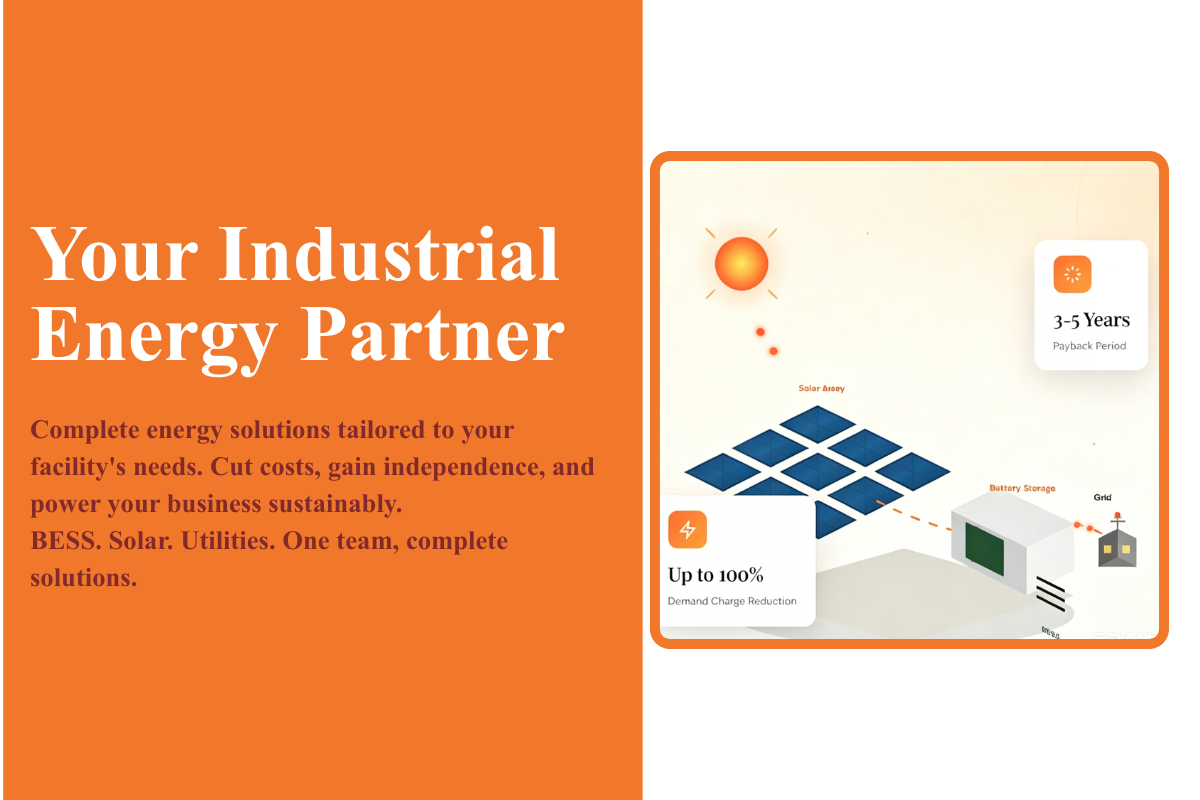



Credentials are absolutely essential for any solar partner. They form the foundation of safety and compliance. They also guarantee system performance. JanaBina operates as a SEDA-registered Solar PV Installer. The company also holds ST (Suruhanjaya Tenaga) certification. This certifies them as a licensed electrical contractor. These credentials meet all Malaysian regulatory requirements. They authorise JanaBina to handle TNB interconnection procedures. They also permit compliant documentation submission. Furthermore, they ensure installations meet Malaysian electrical safety standards.
Additionally, JanaBina holds CIDB G1 and G2 contractor grades. These cover civil, mechanical, and electrical engineering works. This multi-disciplinary capability proves especially valuable for industrial sites. Solar installation often requires structural rooftop modifications. Integration with existing switchgear is frequently necessary. Coordination with TNB for meter upgrades is also essential. For factory owners, engaging a fully licensed contractor eliminates project delays. It also prevents rejected applications. It avoids non-compliant installations. Non-compliance could result in penalties. Voided warranties are another serious risk.
Reduce Electricity Bill Factory Malaysia —— Integrated Solar PV and BESS Systems for Factory Peak Shaving and Valley Filling
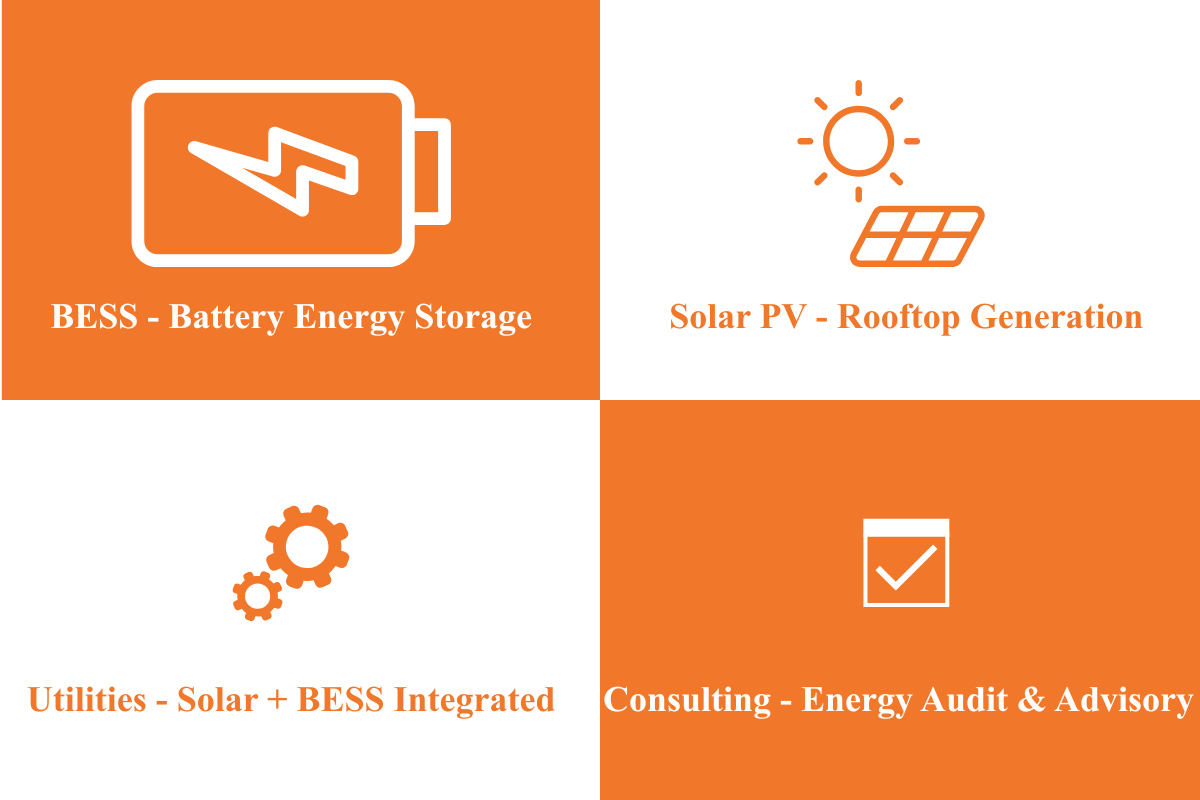
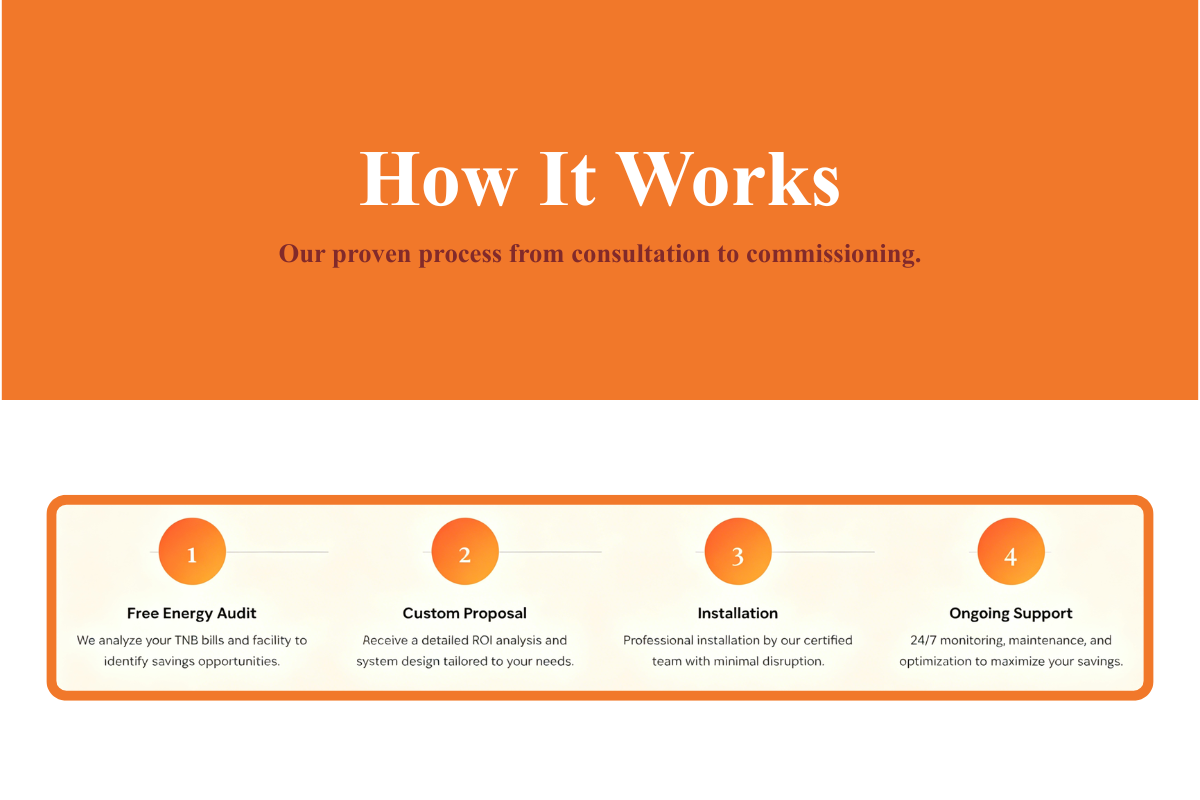
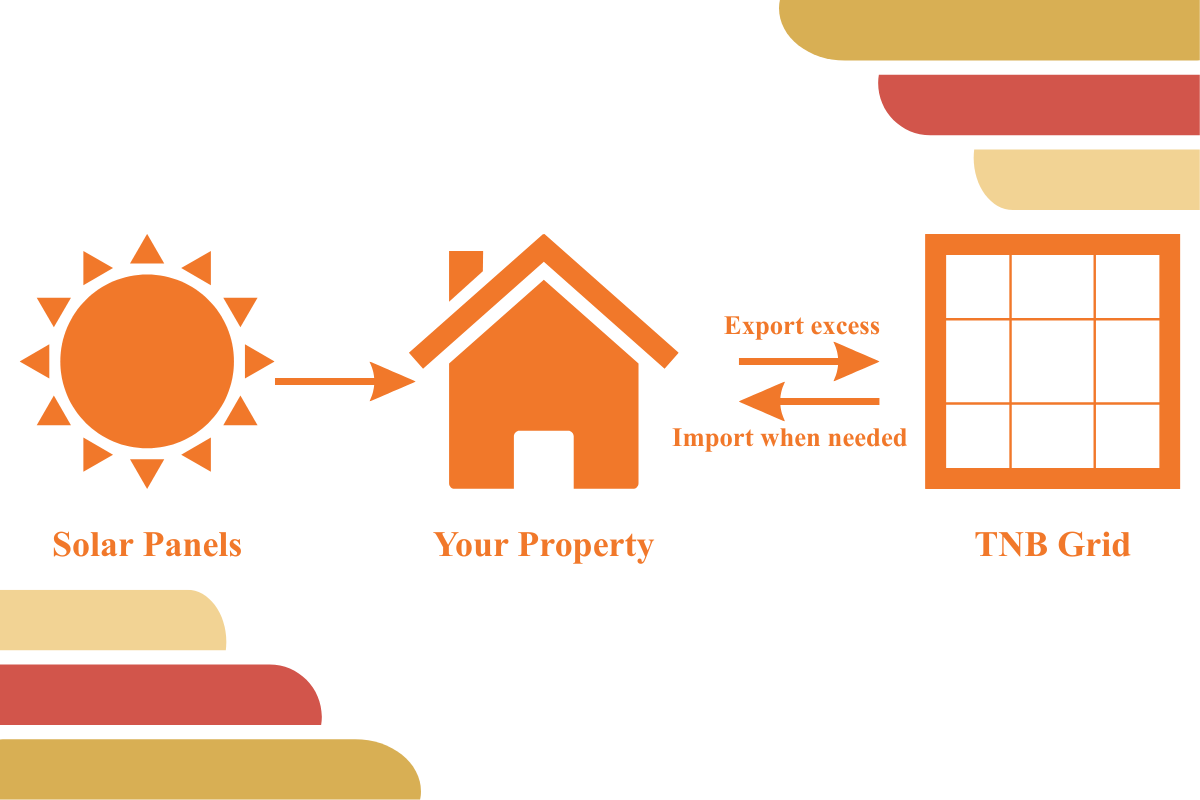


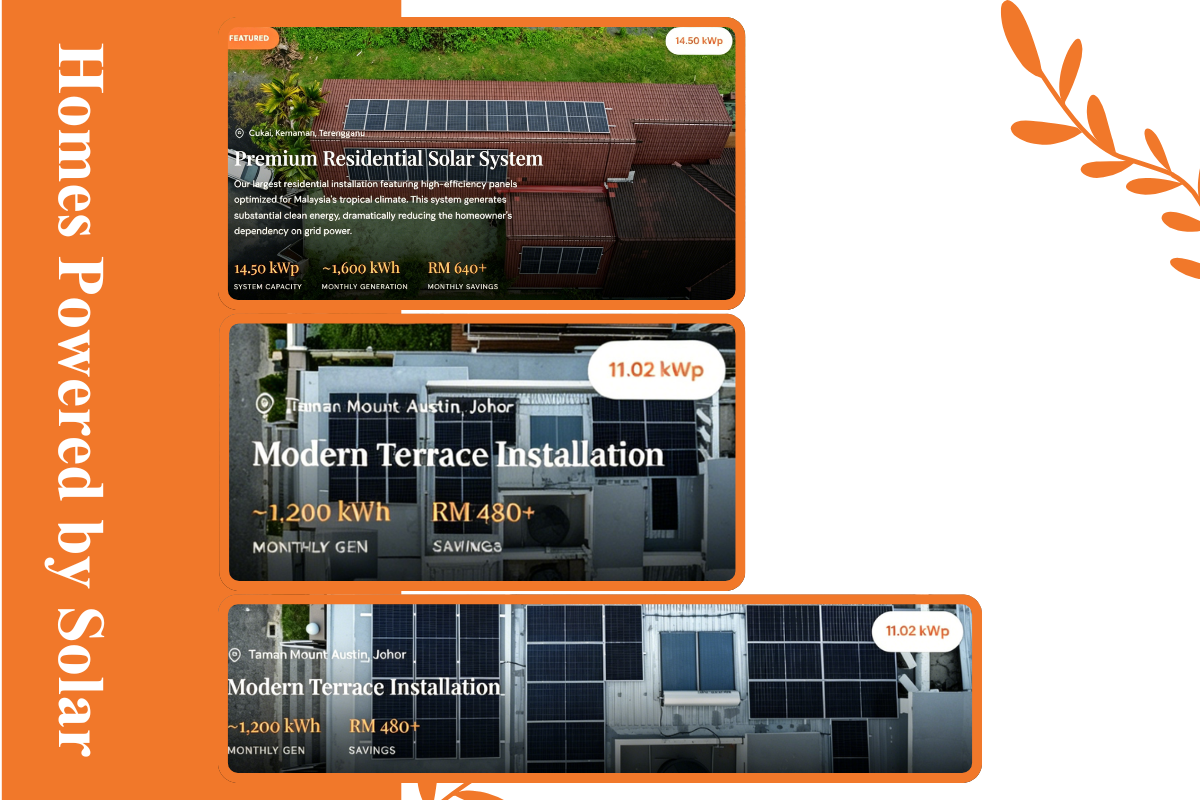
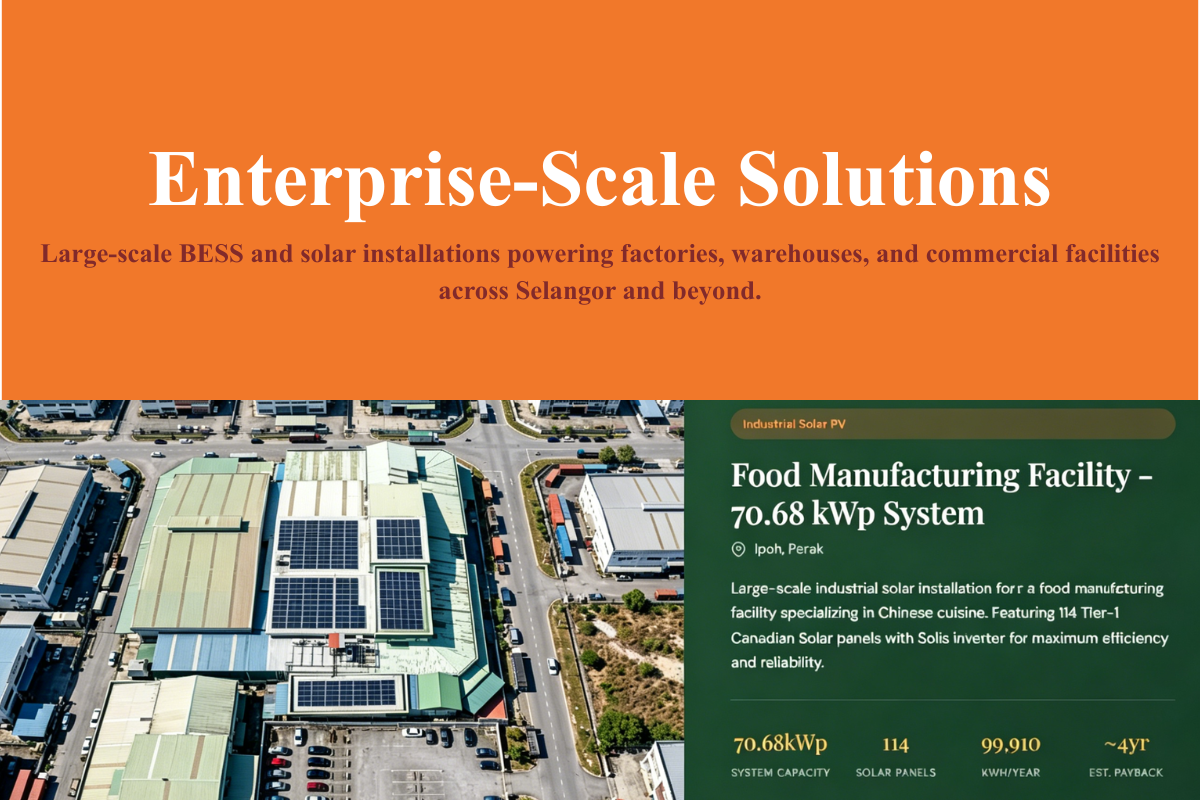
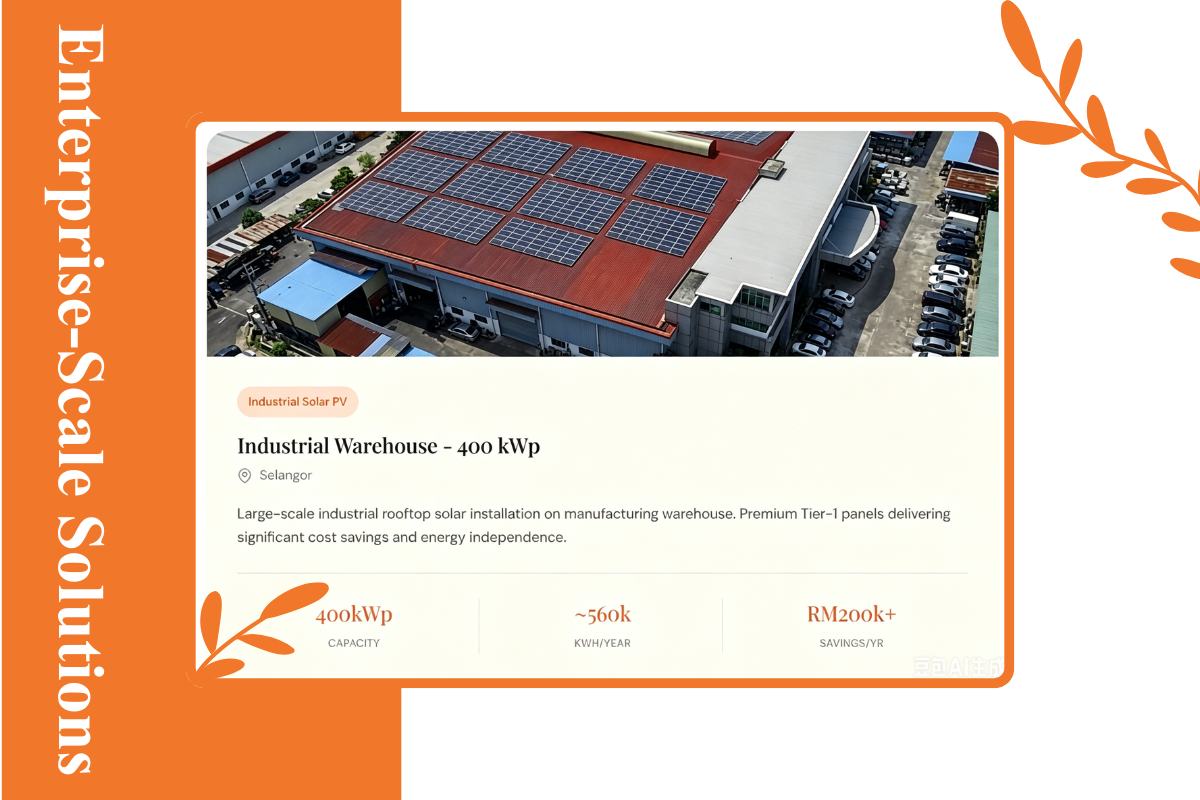
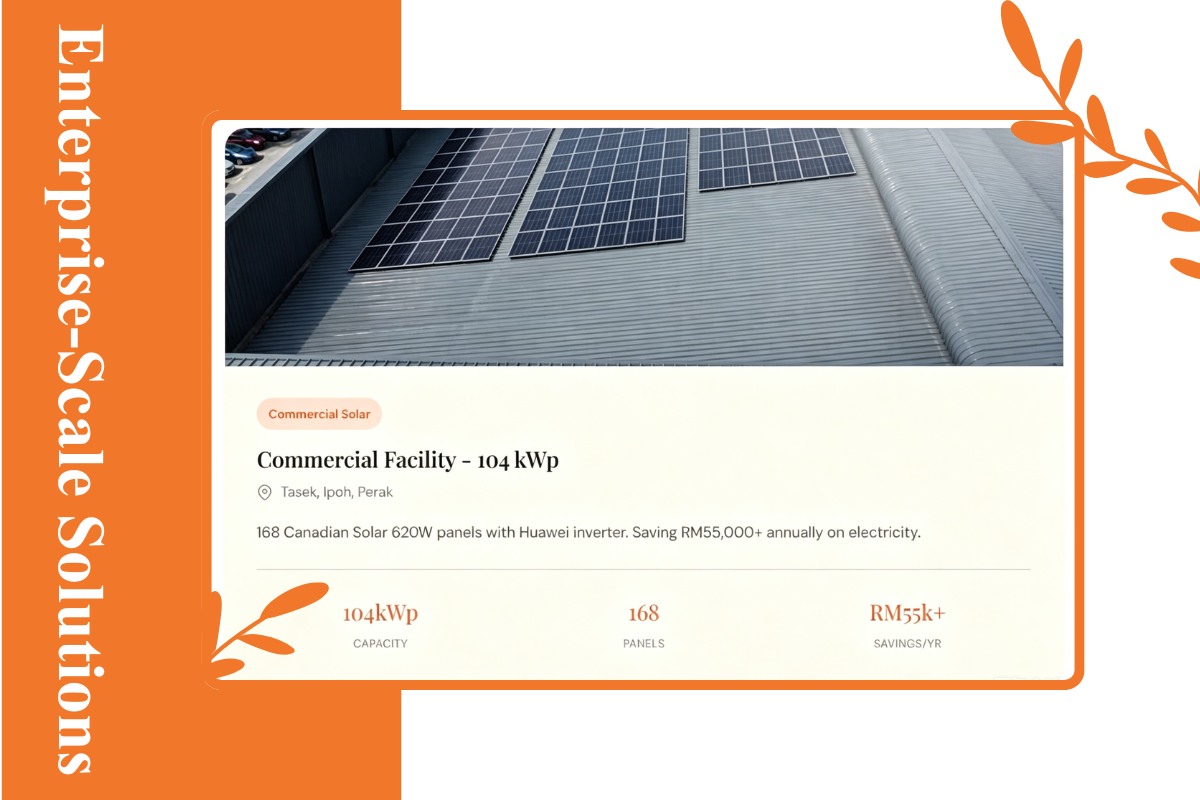
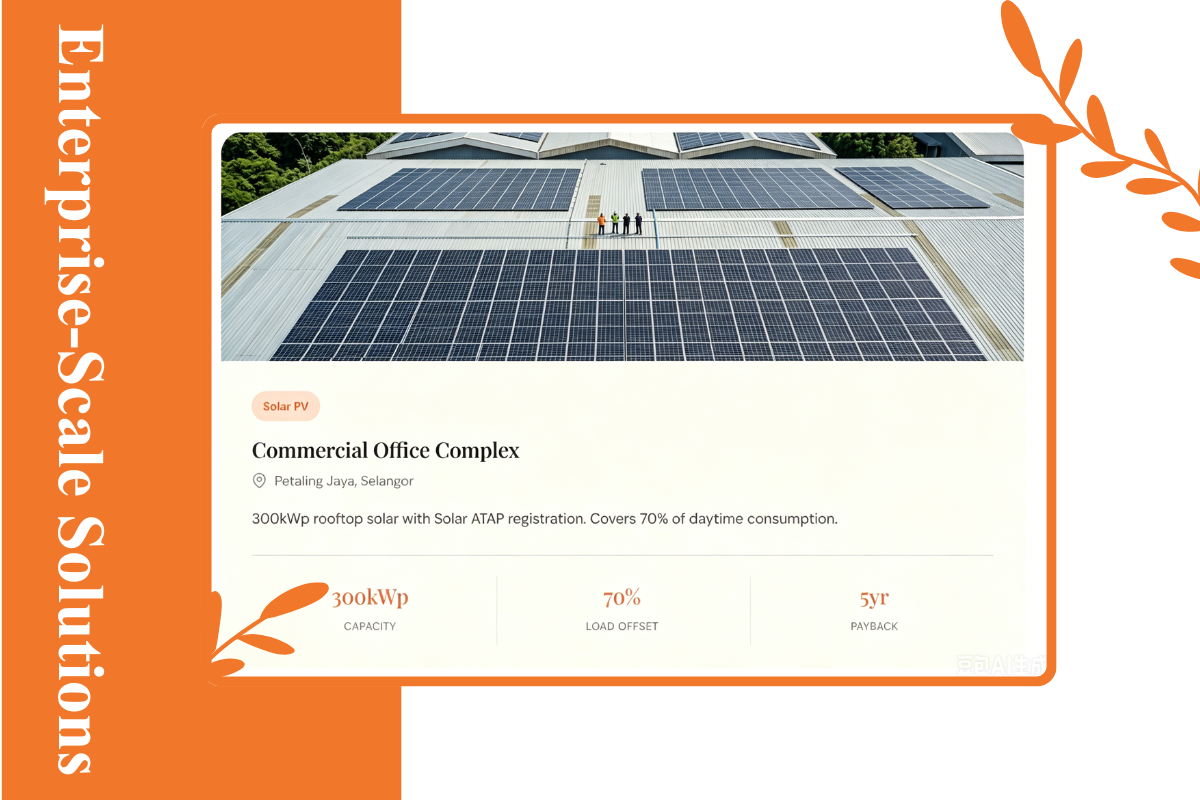
The core offering from JanaBina and its independently recommended partner Unibess is the integrated Solar + BESS system for factories, designed specifically for high-demand industrial environments. Unlike residential solar systems that simply offset daytime consumption, industrial installations must address a more complex challenge: the disparity between solar generation hours and factory operating hours, as well as the time-of-use tariff structure imposed by TNB.
JanaBina designs and installs solar PV systems sized to match each factory’s available rooftop space, structural load capacity, and daily consumption profile. Unibess complements this with advanced BESS (Battery Energy Storage System) solutions that store excess solar energy generated during off-peak hours (typically midday) for use during evening shifts or morning ramp-up periods. This strategy, known as factory peak shaving and valley filling for electricity cost savings, reduces reliance on grid power during peak tariff periods, thereby lowering overall electricity costs. The UniBess Smart Energy Management System (EMS) automatically controls charge and discharge cycles based on real-time consumption and TNB tariff schedules, ensuring that every kilowatt-hour is used as cost-efficiently as possible.
Straightforward Eligibility for Solar and BESS Installation in Malaysian Factories
Factory owners often worry about complex bureaucratic hurdles. In practice, the eligibility criteria are straightforward. The system is designed to be inclusive. A factory needs a valid TNB account. This must fall under commercial or industrial tariff categories. Sufficient rooftop or ground-mounted space is also necessary. A structural assessment must confirm roof load capacity. The roof must support solar panels and mounting structures.
For TNB industrial electricity cost optimization, BESS integration requires no separate approval. The battery system simply operates behind the meter. Factory owners do not need to replace existing infrastructure. Outdated or under-rated switchgear may require upgrades though. JanaBina conducts a preliminary site assessment first. This verifies all technical requirements before system design. The company handles all documentation subsequently. Submissions to TNB for Solar ATAP approval are included. Grid connection requests are also managed. The entire process takes 4 to 8 weeks typically. System size and TNB timelines affect the duration.
Safety, Compliance, and Long-Term Performance – The JanaBina Difference


Industrial energy systems represent significant capital investments. Factory owners cannot afford shortcuts on safety. Reliability is equally critical for production continuity. JanaBina’s commitment to compliance begins with its credentials. SEDA registration and ST certification mandate strict adherence. Installations must comply with Malaysian Standards (MS). IEC requirements for solar installations are also mandatory.
All system components come from internationally recognised manufacturers. These manufacturers have proven track records in tropical climates. Solar panels, inverters, and batteries meet high quality standards. Switchgear and electrical components are equally reliable. For solar energy storage for Malaysian factories, safety extends beyond electrical compliance. Fire safety measures are critically important. Structural integrity must be maintained. Battery thermal management requires special attention.
Unibess BESS solutions incorporate multi-layer protection systems. Overcurrent protection is built into every unit. Temperature monitoring operates continuously. Automatic shutdown mechanisms activate when necessary. The UniBess Smart Energy Management System (EMS) monitors everything in real-time. JanaBina also provides comprehensive operation and maintenance services. Performance monitoring ensures optimal generation. Inverter servicing maintains efficiency. Panel cleaning maximises solar capture. System troubleshooting resolves issues quickly.
Factories integrating JanaBina’s solar with Unibess BESS gain multiple benefits. They achieve energy cost savings solutions immediately. They also receive business backup power planning automatically. Critical production lines remain operational during grid outages. This minimises costly downtime substantially.
About JanaBina and Unibess – Answers You Need to Know
1. Is JanaBina a SEDA-registered solar installer?
Yes, JanaBina is registered with SEDA as a qualified Solar PV Installer. This authorises the company to perform grid-connected solar installations.
2. What ST certification does JanaBina hold?
JanaBina holds ST certification as a licensed electrical contractor. This certification is mandatory for TNB grid connection work.
3. How does JanaBina help factories reduce electricity costs?
JanaBina designs custom solar PV systems for factories. Its partner Unibess supplies BESS solutions for energy storage. Together, they enable factory peak shaving and valley filling for electricity cost savings.
4. What is the typical payback period for a solar + BESS system in a Malaysian factory?
The payback period typically ranges from 4 to 7 years. System size and factory consumption patterns affect this timeline. TNB tariff rates also influence the return on investment.
5. Can factories with limited rooftop space still benefit from solar energy storage?
Yes, absolutely. JanaBina conducts a detailed site assessment first. The team determines the optimal system size based on available space. Ground-mounted systems or carport structures offer alternative solutions.
Factory owners can reduce electricity bill factory Malaysia operations effectively. JanaBina offers SEDA-certified and ST-licensed solar PV expertise. Unibess contributes advanced BESS technology. Together, they provide a complete, compliant solution. The process covers site assessment and system design. TNB coordination and ongoing maintenance are included. JanaBina delivers a seamless experience throughout. Safety, performance, and long-term savings remain the priority.