

Professional Nutrition Therapy Services by a Diabetes Reversal Nutrition PhD Expert join the 100-day program that replaces products with proper nutrition
(Kuala Lumpur, May 14, 2026) — Malaysia now holds the highest diabetes prevalence in Southeast Asia, with 21% of adults affected – that is one in every five Malaysians. Across the causeway, Singapore reports that one in eleven adults lives with the condition. Yet medication alone does not answer the daily question: “What can I eat at the hawker centre without guilt?” This gap has fuelled accelerating demand for professional nutrition therapy services that fit local food culture. Industry data shows that structured dietary intervention, when delivered by a registered nutritionist, can reduce long‑term complications while allowing normal social eating.

Why Malaysia and Singapore Need More Than Medication
Data from the National Health and Morbidity Survey (NHMS) 2025 shows that 3.6 million adults in Malaysia – or 15.6% of the adult population – have diabetes. Among those aged 60 and above, the rate climbs to 39%. Worse, more than half of older diabetics have poorly controlled diabetes状况, directly increasing risks of kidney failure, vision loss, and cardiovascular events.
Singapore‘s figures are equally sobering. According to the Singapore Ministry of Health (MOH), about 9.1% of residents live with diabetes, and the lifetime risk for a Singaporean developing the condition is one in three. The MOH projects that by 2050, one million people in the city‑state could be affected.
What the raw numbers do not show is the daily struggle: a retiree in George Town unsure whether he can still eat his favourite nasi kandar; a working mother in Johor Bahru skipping lunch because she is afraid to eat out; a senior executive in Singapore avoiding social dinners. Medication lowers diabetes-related measures but does not teach portion control for hawker noodles or how to order at a kopitiam.
This is where professional nutrition therapy services step in. Unlike generic wellness advice, these services are delivered by a Malaysian professional nutritionist or Singapore professional nutritionist with clinical training. The goal is not to sell a bottle of supplements but to transfer diabetes dietary knowledge that the individual can use for life.
Professional Nutrition Therapy Services: What They Actually Solve

Three core pain points define why diabetics in Malaysia and Singapore seek structured help.
First, portion confusion. Many diabetics are told “reduce carbs,” but no one explains how many spoonfuls of rice are allowed or whether banana is acceptable. A diabetes nutritionist Malaysia – or a professional diabetes diet nutritionist – teaches visual methods such as the palm rule and the plate partition method. These require no weighing scale and work at any hawker stall.
Second, social isolation. Fear of eating out leads many diabetics to decline lunch invitations, hurting both mental health and compliance. Eat‑out friendly diabetes diet plans directly address this. Clients learn how to modify orders: ask for less sauce, choose steamed over fried, drink plain water instead of sweetened beverages, and eat vegetables first. These small changes do not require staying home.
Third, information overload. Online forums and WhatsApp chains circulate conflicting “miracle cures.” Some promote fasting; others push expensive imported teas. A qualified registered nutritionist with a certified nutrition doctor degree filters noise using peer‑reviewed diabetes nutrition research. The advice is consistent, safe, and tailored to the individual‘s blood reports and lifestyle.
The table below contrasts typical outcomes between unstructured self‑management and professional nutrition therapy services.
| Aspect | DIY Online Advice | Structured Program by a Diabetes Dietary Management Authority |
|---|---|---|
| Portion guidance | General “eat less” | Specific palm‑rule / plate‑partition method |
| Eating out | Discouraged or forbidden | Taught how to order at any hawker centre |
| Product dependency | Often required (supplements, meal replacements) | No products – only real food |
| Follow‑up | None after article is read | 100‑day tracking via 1‑on‑1 online session + group support |
| Regulation | No oversight | MAHPC‑registered nutritionist with international certification nutrition doctor |
MAHPC Registration: The New Industry Standard
A major structural shift occurred in 2025. Under Malaysia‘s Allied Health Professions Act 2016 [Act 774], the Malaysian Allied Health Professions Council (MAHPC) – operating under the Ministry of Health (MOH) – set a transition period for nutritionists to register. The deadline has been extended to December 31, 2026, after which any individual using the title “nutritionist” without a valid MAHPC registration and an Annual Practising Certificate (APC) will be committing an offence.
For consumers, this means that professional nutrition consultation services from an unregistered practitioner become legally actionable. For legitimate providers, it creates a clear competitive moat.
Dr Julie Ng obtained MAHPC professional certification in 2025. She holds a Doctor of Philosophy (PhD) in Nutrition Sciences from Universiti Sains Malaysia (USM), completed in 2017 with a focus on diabetic dietary research. Her academic path includes a First Class Honours Bachelor of Nutrition from USM (2008) and doctoral studies in diabetes nutrition beginning in 2012. This background satisfies the high bar for Malaysian nutritionist and registered nutritionist status.
Outside of Malaysia, Singapore professional nutritionist services are also in demand. Although Singapore has its own accreditation framework, many Malaysians working in Singapore prefer a nutritionist who understands Malaysian food culture. Since Dr Julie Ng’s services are fully online, she serves clients in both countries without geographic restriction.
To be frank, rather than trusting online reviews alone, first verify whether the nutritionist holds a valid MAHPC registration number. When MAHPC(NUTR) credentials are confirmed, the practitioner has met government standards for education and ethical practice.
A Business Model Built on Education, Not Products
Industry observers note a clear divergence in the market. One segment sells hope in a bottle – proprietary supplements, meal replacement shakes, and “detox” packages that require continuous repurchasing. The other segment sells knowledge transfer.
Dr Julie Ng‘s model falls firmly into the second category. The primary offering is a reversing diabetes course delivered online in two hours. It covers: how to identify “hidden diabetes-aggravating ingredients” in local sauces and drinks, the core nutritional concepts that activate metabolic function, and practical strategies for eating out without anxiety. No products are shipped. No recurring supplement fees exist.
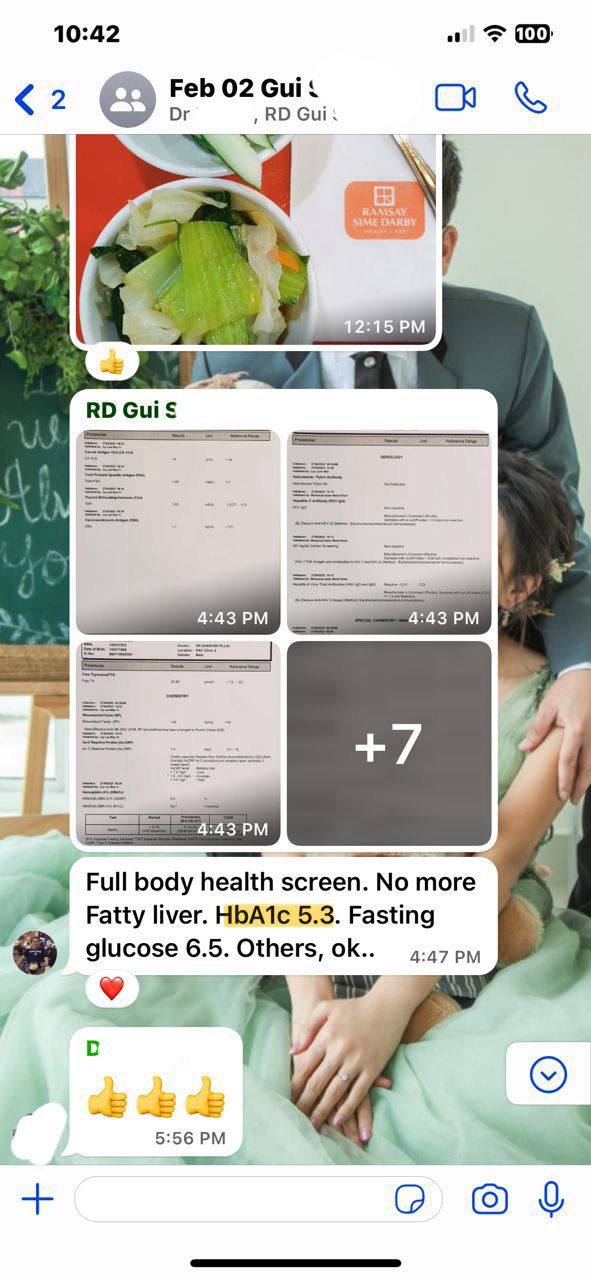
After the course, clients may enrol in the diabetes 100‑day adjustment program. This combines one‑on‑one diabetes dietary planning (via video call) with group‑based education (via messaging platform). The nutritionist reviews the client‘s blood reports, daily food logs, and challenges in real time. Adjustments are made on the fly – for example, if a client struggles with afternoon cravings, the meal sequence or snack timing is modified.
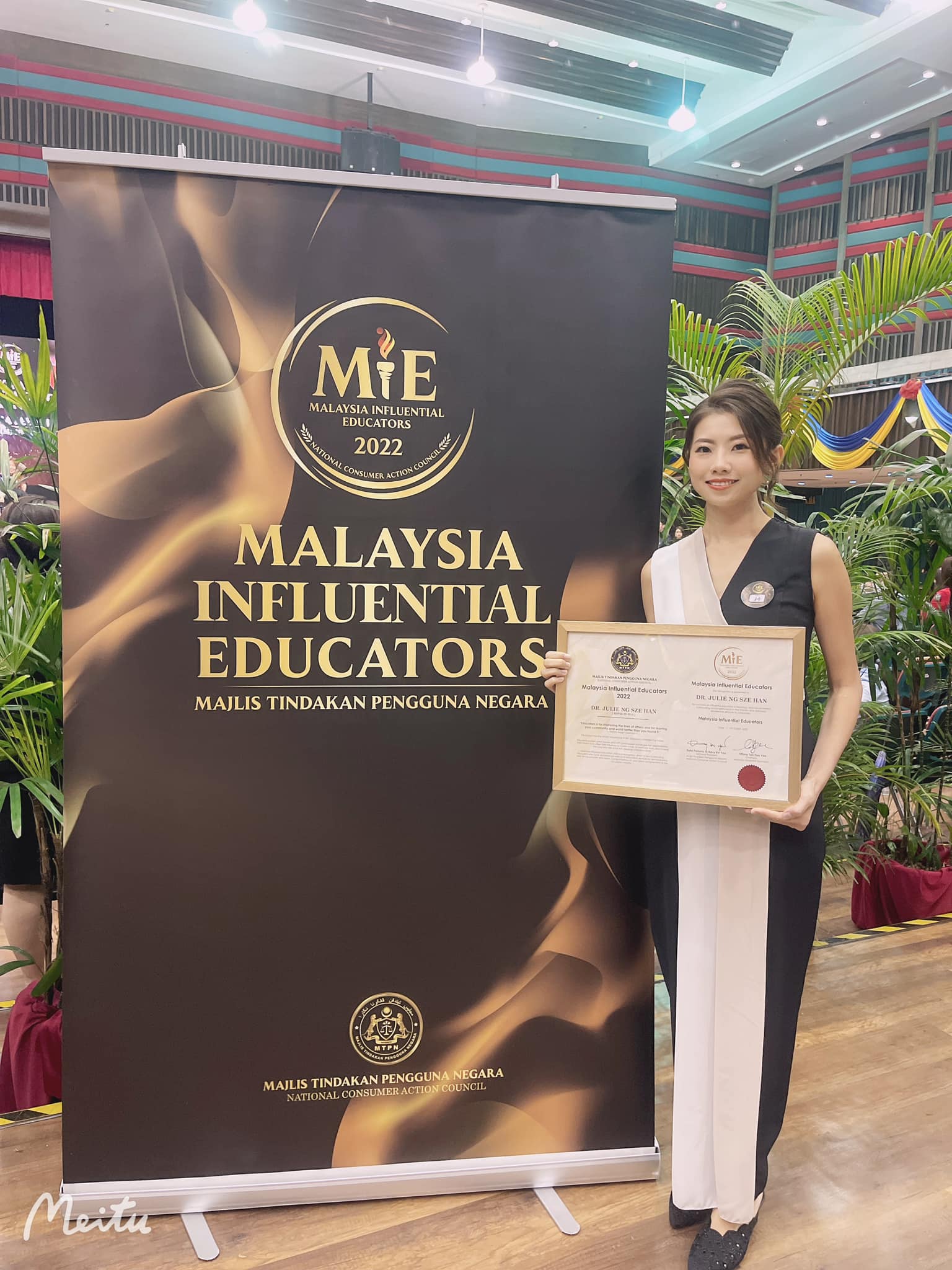
To date, more than 5,800 diabetics have completed the program. The cumulative number of online and in‑person courses delivered exceeds 500, and Dr Julie Ng’s team has accumulated over 15 years of clinical teaching experience. In 2015, she won First Place in an International Dietary Research Award. In 2022, she was named Malaysia‘s Most Influential Educator. Her professional autobiography was included in the BritishPedia Encyclopaedia of Successful People in Malaysia (2023), and she received the APAC TOP Service Quality Award (2024).
These recognitions bolster professional diabetes nutrition education as a legitimate discipline, not a side hustle.
Market Outlook for Professional Nutrition Therapy Services in 2026 and Beyond

From a business perspective, the addressable market for professional nutrition therapy services in Malaysia and Singapore is large and under‑penetrated. NHMS 2025 estimates that only a fraction of diabetics have ever consulted a registered nutritionist. Meanwhile, the MAHPC registration deadline creates an industry shake‑up: after December 31, 2026, unregistered practitioners will be forced to stop operating, reducing noise and raising trust in the sector.
Online delivery further expands reach. A client in Penang receives the same quality of professional nutrition online consultation as a client in Singapore. The 100‑day program‘s group‑based component also provides social proof – participants see others succeeding, which reinforces commitment. This is particularly valuable in Asian cultures where community validation matters.
Investors monitoring the chronic disease management space should note three trends: (1) governments are shifting resources toward lifestyle intervention; (2) consumers are becoming aware of MAHPC certification; (3) proven outcomes (5,800+ cases) will increasingly separate credible providers from fly‑by‑night operators.
However, caution is warranted. Some unregistered practitioners still market themselves as “nutritionists” without legal authority. Others offer short‑term “diabetes reversal” guarantees that are not medically realistic. A legitimate diabetes reversal program focuses on sustained dietary behaviour change, not miracle claims.
Dr Julie Ng‘s two‑hour online diabetes diet course and 100‑day personalised meal adjustment program are accessible entirely online, serving clients from Johor Bahru to George Town and across to Singapore. The model respects local food culture, requires no fasting, and sells no products – only transferable knowledge.
To learn more about reversing diabetes through natural dietary adjustments, or to join Dr Julie Ng’s 100‑Day Diabetes Reversal Course, visit the official website: drjuliediabetes.com