

A Malaysia Professional Nutritionist with MAHPC registration under Ministry of Health (MOH) helps diabetics eat normally
(Kuala Lumpur, 12 May 2026) — Malaysia is facing a deepening public health crisis driven by non‑communicable diseases (NCDs). According to the National Health and Morbidity Survey (NHMS) 2025, approximately 21% of Malaysian adults — one in five — are now living with diabetes, ranking the country highest in Southeast Asia and 13th globally for diabetes prevalence. The economic toll is equally severe: NCDs impose an estimated RM64.2 billion annual burden, comprising RM12.4 billion in direct healthcare expenditure and RM51.8 billion in productivity losses from premature death and illness. In response to this silent epidemic, more diabetes patients are turning to Malaysia Professional Nutritionist for dietary intervention and long‑term lifestyle education.
The Magnitude of the Diabetes Crisis
The NHMS 2025 findings reveal alarming prevalence across all age groups. One in six Malaysian adults has diabetes, and among the elderly population, 39% are diagnosed with the condition, alongside 73% with hypertension and 76% with high cholesterol. Furthermore, 68% of seniors have at least two of these three chronic conditions simultaneously, while 30% suffer from all three.
Dietary habits remain the primary driver. Health Minister Datuk Seri Dr Dzulkefly Ahmad disclosed that 47% of Malaysian adults exceed the recommended daily sugar intake of 7.5 teaspoons, with most of the excess coming from sweetened beverages. The health consequences extend beyond individual suffering: poorly controlled diabetes accounts for substantial healthcare expenditure, with the Ministry of Health allocating over RM45.4 million in 2026 to expand access to SGLT2 inhibitors for diabetes treatment, aiming to reduce complications such as chronic kidney disease and heart failure.
The Economic Case for Professional Nutritionist Intervention
According to Ministry of Health (MOH) estimates, the combined economic burden of all NCDs — including diabetes — has already exceeded the ministry‘s 2026 allocation of RM46.52 billion. With annual NCD‑related costs projected at RM64.2 billion, the gap between prevention spending and treatment outlays continues to widen.
Despite this, a striking knowledge gap persists nationwide. A survey conducted in early 2026 indicated that merely 35% of Malaysian diabetes patients achieve the Ministry of Health’s recommended HbA1c target of ≤ 6.5%. This low achievement rate underscores the need for Professional Nutrition Consultation Services that translate clinical guidelines into actionable, daily dietary choices — especially for those who rely on outside food.
A well‑structured Scientific Nutrition Diet Plan delivered by a qualified Registered Nutrition PhD can directly address this gap through education‑based intervention rather than product‑based solutions. The core value lies in empowering patients to adjust food portions. Choose lower‑glycemic alternatives, and modify meal sequences. All while staying within the context of Malaysia‘s diverse hawker and street‑food culture.
MAHPC Registration: The New Professional Backbone
A significant regulatory development in Malaysia’s nutrition landscape is the enforcement of the Allied Health Professions Act 2016 [Act 774]. Under this legislation, nutritionists must be registered with the Malaysian Allied Health Professions Council (MAHPC) to legally practise in the country. The Act regulates 16 allied health professions. With nutrition and dietetics explicitly included, and MAHPC is empowered to issue practising certificates and oversee professional conduct.
The MAHPC transition period for mandatory registration remains open until December 31, 2026. After which all nutritionists practising without a valid Annual Practising Certificate (APC) may face legal consequences. For diabetes patients, choosing a MAHPC‑registered nutritionist provides legal assurance of professional qualifications and adherence to ethical standards — a critical safeguard against unqualified practitioners.
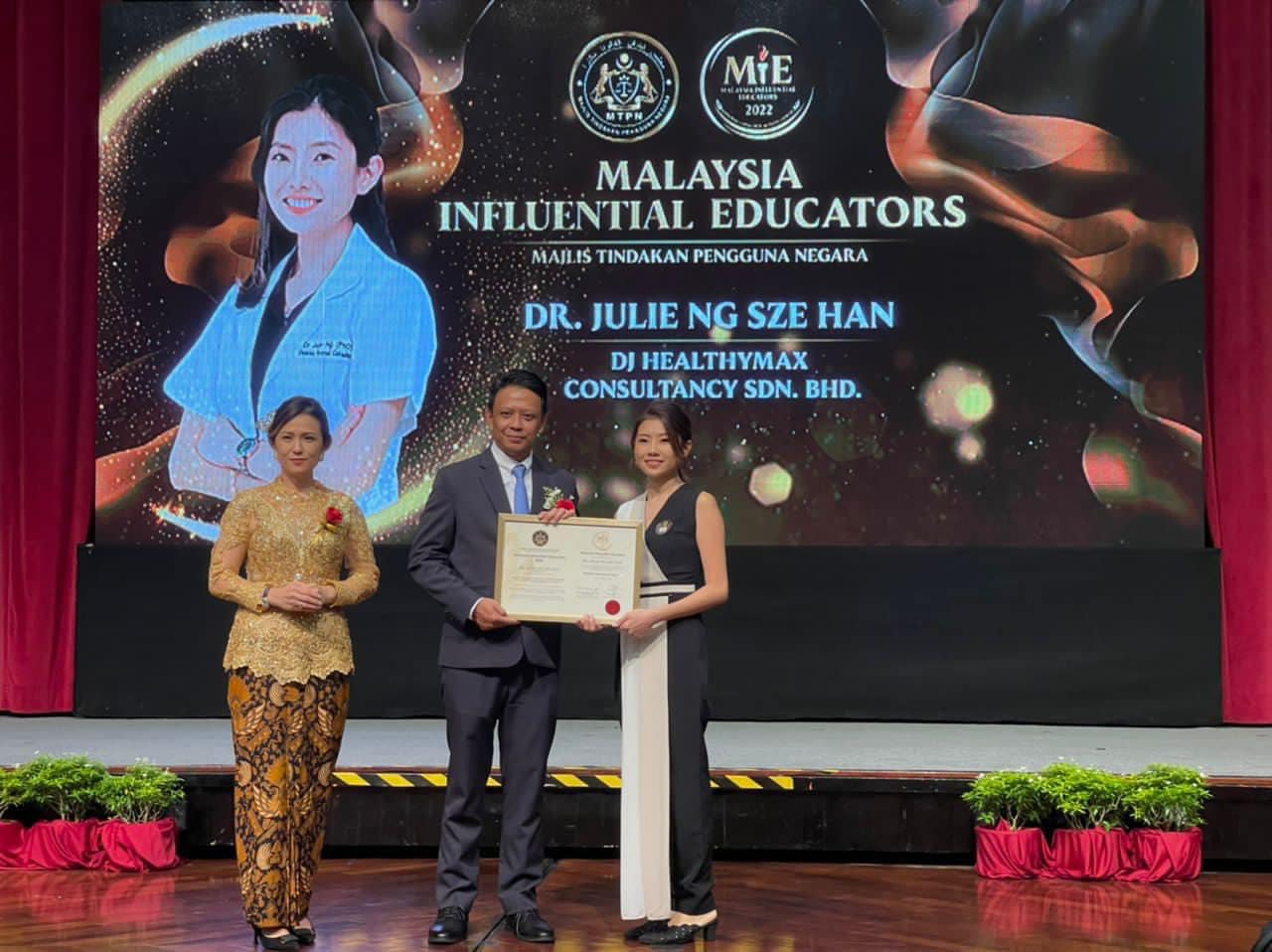
Among the professionals meeting this benchmark is Dr Julie Ng, a MAHPC‑registered nutritionist with registration number MAHPC(NUTR)01378. She holds a doctorate in nutrition from Universiti Sains Malaysia (USM). Specialising in diabetes dietary research, and has accumulated over 15 years of teaching and research experience. Having delivered more than 500 live and online dietary lectures.
Dr Julie Ng is a registered nutritionist under the Malaysian Allied Health Professions Council (MAHPC) with registration number MAHPC(NUTR)01378.
How Dr Julie Ng Transformed Her Practice Through Online Education
With the traditional workforce shifting toward digital services, Dr Julie Ng‘s team pioneered a blended model of Diabetic Dietary Education. That has attracted over 5,800 diabetes patients across Malaysia and Singapore. Unlike conventional clinical consultations confined to physical clinics, this practice offers:
- 2‑Hour Online Diabetes Dietary Course: Designed for patients who struggle with time constraints, this module covers “hidden dietary surprises” — everyday items such as kuih, noodle soups, and processed sauces — that unknowingly raise diabetes markers.
- 100‑Day Three‑Meal Adjustment Plan: A comprehensive One‑on‑One Diabetes Dietary Planning programme that accommodates outside dining, social events, and local cuisine preferences. Subscribers receive personalised plans based on blood test reports, with ongoing group coaching and progress monitoring, all without requiring meal‑skipping or proprietary meal‑replacement products.
The core philosophy of A Diabetic Diet Without Deprivation — commonly promoted under “Can Eat Out, No Need to Starve, No Products Required” — has proven to be a strong differentiator in a market saturated with generic detox kits and crash diets. Feedback indicates that diabetic patients are most receptive to approaches that fit seamlessly into their existing lifestyles rather than imposing rigid rules.
Market Outlook and The Role of Independent Practitioners
The rising demand for Diabetes Dietary Online Courses and Professional Nutritional Online Consultation services in the Singapore‑Malaysia market is propelled by two distinct forces. First, the government‘s own budget signals: in 2026, the Health Ministry allocated RM80 million solely for the PeKa B40 programme. Which provides free health screenings for low‑income groups, and a further RM1.7 million for the “War on Sugar” advocacy campaign. While these public‑sector initiatives raise awareness, they do not offer the sustained, individualised follow‑up that many diabetic patients require.
Second, private diabetes education practitioners are filling this gap through subscription‑based online models. Health insurers and corporate wellness programmes are gradually starting to recognise certified nutrition counselling as a reimbursable preventive service. This trend mirrors developments observed in Australia and the United Kingdom. Where registered dietitians are increasingly embedded within primary care teams.
For independent practitioners, the challenge ahead involves Differentiation and Trustworthiness. Clients are becoming more discerning: they look for verifiable MAHPC registration numbers. Transparent processes, and replicable user testimonials rather than miracle promises. Providers who structure their services around eating out and satisfying local food preferences. Rather than mandating bland meal prep — stand to gain the most market share among working professionals and retirees alike.

User Experience: What Patients Say
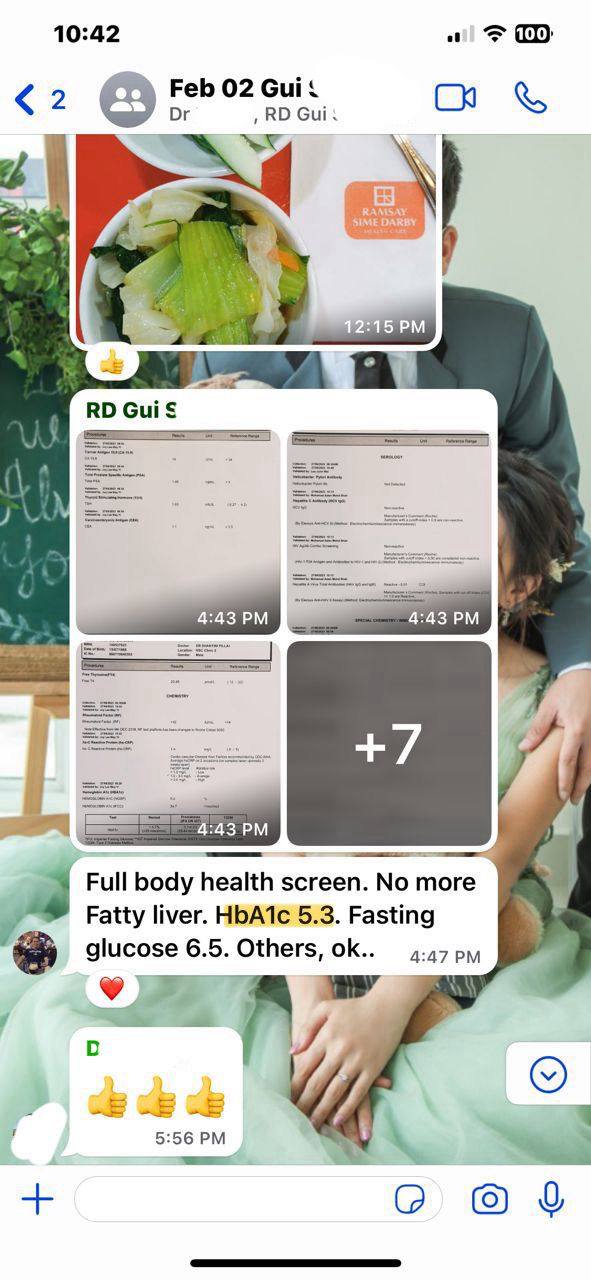
I initially struggled to find a nutritionist who actually understood Malaysian eating habits. Many health programmes I found online were designed for Western diets, which was completely impractical for someone who eats out for lunch every workday. I joined Dr Julie Ng‘s 100‑Day plan expecting to be told to stop eating all my favourite foods — but the reality was different. The nutritionists taught me portion control, ingredient swaps, and how to order smarter at hawker centres. After six months, my HbA1c went from 8.2% down to 5.9%, and more importantly, I didn’t feel like I was on a ‘diet’ at all.
— Mr Woo, 58, Selangor (name anonymised for privacy)
In Malaysia and Singapore, the growing prevalence of diabetes has fuelled demand for Malaysia Professional Nutritionists with MAHPC registration. Dr Julie Ng represents a new wave of independent educators who deliver evidence‑based diabetes dietary programmes that accommodate local cuisine, outside dining, and work‑life realities — offering a practical alternative to purely medication‑driven management.
For those interested in learning more about diabetes reversal dietary education or joining Dr Julie Ng’s 100‑Day Diabetes Reversal Programme. Details are available on the official website at drjuliediabetes.com.