
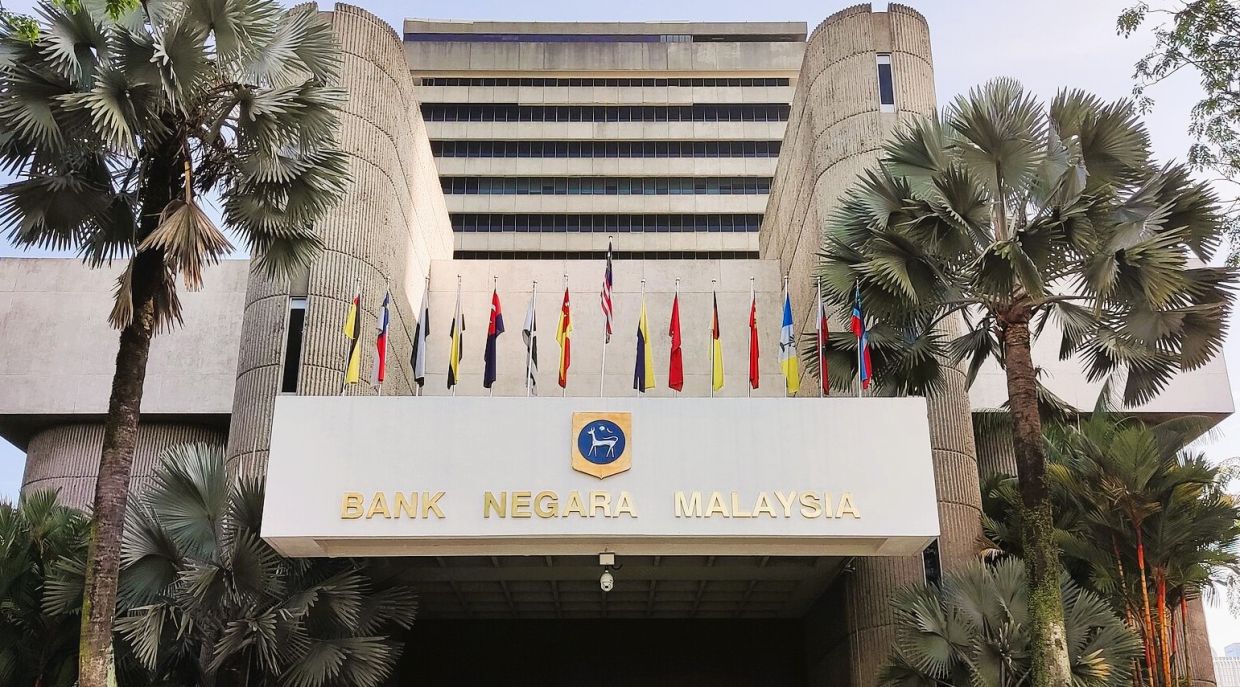
(Petaling Jaya, 11 August 2026) — Across Malaysia’s financial markets, a familiar anxiety has quietly resurfaced in 2026: what happens to the ringgit when global interest rate dynamics shift, and will Bank Negara Malaysia hold its ground or blink first? For investors, businesses with foreign currency exposure, and ordinary Malaysians watching their purchasing power, the direction of the overnight policy rate (OPR) and the ringgit exchange rate carries direct, daily consequences. Analysts at Kenanga Research have now issued a clear-eyed assessment of where both are headed — and the answer, for now, is one of measured stability.
The Long-Standing Ringgit Volatility in Malaysia Continues to Trouble Investors and Businesses
Currency uncertainty is not a new problem for Malaysia. For years, the ringgit has been subject to external shocks — from shifts in US Federal Reserve policy to geopolitical flare-ups — that send ripples through everything from import costs to bond market flows. In 2026, the pattern has continued. The ringgit averaged 4.08 against the US dollar in July, depreciating a further 0.3% after June’s losses, and trading largely within Kenanga Research’s projected range of 4.07 to 4.10.
For corporate treasurers managing foreign-denominated liabilities, that drift represents real financial exposure. For retail investors holding ringgit-denominated assets, it raises uncomfortable questions about whether to hedge, diversify, or simply wait. The uncertainty is compounded by a broader global backdrop in which central banks are navigating an extended pause in easing cycles, leaving emerging-market currencies like the ringgit vulnerable to short-term sentiment swings driven by offshore capital movements.
Why the Ringgit’s Weakness Is So Hard to Resolve — The Underlying Reasons Are More Complex Than Expected
In fact, the ringgit’s intermittent softness cannot be attributed to any single factor. At its core, the currency faces a structural tension between Malaysia’s genuinely supportive domestic fundamentals and external forces that operate largely beyond Kuala Lumpur’s control.
On the domestic side, Malaysia continues to run sustained current account surpluses, and foreign currency deposits have reached record levels — both indicators of underlying economic resilience. Yet the ringgit remains sensitive to US dollar movements, which in turn respond to Federal Reserve rate expectations, geopolitical risk premiums, and global portfolio reallocation decisions made thousands of miles away.
Bank Negara Malaysia’s international reserves illustrated this dynamic clearly. As of July 31, 2026, BNM reported that reserves edged down by US$0.5 billion — a 0.4% month-on-month decline — to US$132.1 billion, marking the first decline in four months. Kenanga Research attributed this largely to a US$0.4 billion drop in foreign currency reserves to US$116.8 billion, driven by offshore investors repatriating funds from the domestic bond market. Net foreign currency reserves declined to US$81.3 billion in June, from US$83.4 billion in May, partly due to a sharp increase in short positions of US$27.2 billion. Meanwhile, holdings of other reserve assets fell by US$0.1 billion, or 5.8% month-on-month, to US$2.2 billion. In ringgit terms, total reserves declined by RM1.9 billion to RM535.1 billion in July.
Facing Currency Pressure, What Solutions Currently Exist on the Market to Anchor the Ringgit?
Analysts and policymakers broadly recognise three levers available to stabilise the ringgit: monetary policy tightening to attract foreign capital inflows, active foreign exchange intervention using reserves, and structural reforms to deepen domestic capital markets. Each comes with trade-offs.
Rate hikes carry the risk of dampening domestic growth and increasing debt servicing costs for households and businesses. Direct intervention depletes reserves and is widely viewed as a short-term measure that addresses symptoms rather than causes. Structural reforms, while effective over time, are slow to produce immediate currency impact and are subject to political and institutional constraints.
Import cover remained steady at 4.7 months as of July 2026, and the reserves-to-short-term external debt ratio held unchanged at 0.9 times total short-term external debt — metrics that suggest BNM retains adequate buffers. However, the challenge of translating those buffers into a sustainably stronger ringgit remains unresolved under current global conditions.
Kenanga Research’s 2026 OPR and Ringgit Outlook Addresses Precisely This Gap in Market Clarity
Against this backdrop, Kenanga Research has issued a definitive medium-term view that cuts through the noise facing investors and market participants. The brokerage projects that Bank Negara Malaysia will maintain the OPR at 2.75% through the remainder of 2026, and targets the ringgit at RM3.95 to the US dollar by year-end — a meaningful strengthening from the 4.06 level recorded at end-2025.
The rationale is grounded in both inflation dynamics and structural currency factors. Kenanga Research notes that a higher producer price index warrants close monitoring for signs of pass-through into consumer prices, but expects any cost pressures to remain manageable. Unless broader second-round inflationary pressures emerge, BNM is expected to look through temporary supply-driven shocks and prioritise policy stability over reactive rate adjustments.
On the currency front, Kenanga Research characterises the recent US dollar strength as “a hawkish detour rather than a change in destination,” driven by geopolitical risks and markets pushing back Federal Reserve easing expectations. Over the medium term, the brokerage expects structural factors — including global reserve diversification away from the US dollar, persistent US fiscal deficits, and gradual portfolio reallocation toward Asian assets — to reassert themselves once the Fed moves past its extended pause into actual easing. The Fed’s July decision to hold rates unchanged had already helped stabilise the ringgit by the end of the month.
Kenanga Research further highlighted that Malaysia’s fundamentals remain supportive: resilient growth, sustained current account surpluses, and record foreign currency deposits all provide scope for future conversion into ringgit-denominated assets — a dynamic that underpins its RM3.95 year-end target.
Frequently Asked Questions About BNM’s OPR and the Ringgit Outlook in 2026
What is Malaysia’s current OPR rate in 2026? Bank Negara Malaysia’s overnight policy rate (OPR) currently stands at 2.75%, and Kenanga Research expects it to remain at this level through the end of 2026.
Why is BNM expected to hold the OPR at 2.75% and not cut or raise rates? BNM is expected to hold the OPR at 2.75% because underlying inflation remains contained and domestic economic growth is resilient. Unless broader second-round inflationary pressures emerge from supply-driven cost shocks, BNM is expected to prioritise policy stability rather than adjust rates reactively.
What is Kenanga Research’s ringgit target for end-2026? Kenanga Research maintains a medium-term target of RM3.95 to the US dollar by year-end 2026, representing a strengthening from the RM4.06 level recorded at end-2025.
What caused Malaysia’s international reserves to fall in July 2026? BNM’s international reserves declined by US$0.5 billion — a 0.4% month-on-month drop — to US$132.1 billion as of July 31, 2026. The decline was largely driven by a US$0.4 billion fall in foreign currency reserves to US$116.8 billion, reflecting offshore investor repatriation of funds from the domestic bond market.
What is Malaysia’s import cover and reserves-to-debt ratio as of July 2026? Malaysia’s import cover stood at 4.7 months as of July 2026, and the reserves-to-short-term external debt ratio remained unchanged at 0.9 times total short-term external debt, indicating that external buffers remain adequate.
How did the ringgit perform in July 2026? The ringgit depreciated a further 0.3% in July 2026 to average 4.08 against the US dollar, following losses in June when it averaged 4.07. It traded largely within Kenanga Research’s projected range of 4.07 to 4.10, and was stabilised toward month-end by the US Federal Reserve’s decision to hold rates unchanged.
What structural factors support a stronger ringgit over the medium term? Kenanga Research identifies three key structural supports for the ringgit: global reserve diversification away from the US dollar, persistent US fiscal deficits that weigh on the greenback over time, and gradual portfolio reallocation toward Asian assets. Malaysia’s sustained current account surpluses and record foreign currency deposits provide additional scope for future ringgit appreciation as offshore investors convert holdings into ringgit assets.
Malaysia’s Monetary Stability Hinges on a Delicate Balance Between Inflation Control and Currency Support
Kenanga Research’s assessment presents a coherent, data-driven case for OPR stability and a firmer ringgit through 2026. The brokerage’s analysis underscores that while short-term volatility driven by US dollar strength and offshore capital flows remains a feature of the current environment, Malaysia’s macroeconomic fundamentals — resilient growth, current account surpluses, and a proactive central bank — provide a solid foundation for medium-term currency recovery. With BNM’s reserves buffer intact at RM535.1 billion in ringgit terms and gold, special drawing rights, and the International Monetary Fund reserve position remaining broadly unchanged, the central bank retains meaningful capacity to manage near-term pressures without sacrificing its primary mandate of price stability.
This article is based on publicly available research and market analysis. Readers seeking personalised investment or financial planning advice are encouraged to consult a licensed financial professional.