
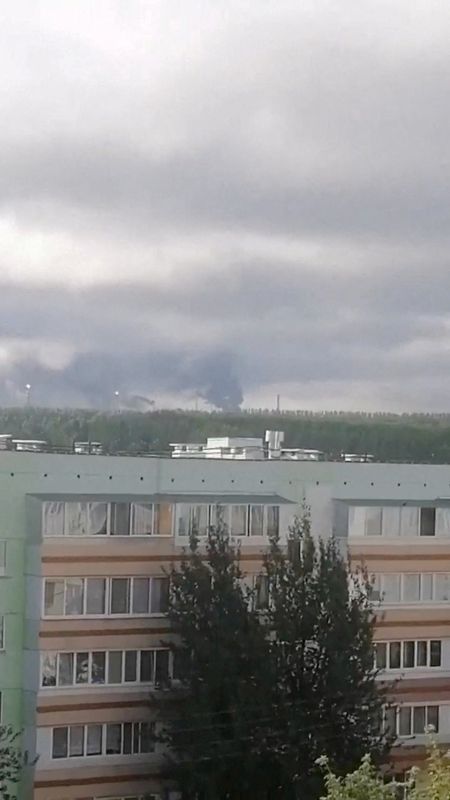
(Moscow, 10 August 2026) — The escalating use of long-range drone warfare in the Russia-Ukraine conflict has increasingly placed civilian populations in the crosshairs of military operations far from the front lines. As both sides expand their strike campaigns deeper into each other’s territory, the human cost in non-combat zones continues to mount — a reality brought into stark relief on Monday when a Ukrainian drone attack on the Russian industrial city of Nizhnekamsk killed at least 13 people and wounded 39 others, including a child among those killed.
The Long-Standing Civilian Toll in Russia’s Industrial Heartland Continues to Trouble Residents Far from the Front
Nine of the 13 victims were inside a hostel at the time of the strike, according to Russian state news agency RIA, citing the press office of the regional head — a detail that underscores how dramatically the war’s reach has extended into everyday life. Nizhnekamsk, located in Russia’s Tatarstan region approximately 800 kilometres (497 miles) east of Moscow, is not a border city. It is an industrial hub, home to oil refineries and migrant workers from Central Asia who had travelled there for employment.
Among those killed were seven Uzbek citizens, confirmed by the Uzbek consulate in Kazan. One Tajik national also died in the attack, according to TASS, citing the Tajik Foreign Ministry. The multinational casualty list reflects the reality that many workers in Russia’s industrial centres are labour migrants — people with no direct stake in the conflict who nonetheless found themselves caught in its violence.
Videos verified by Reuters on social media show thick smoke rising over the TANECO oil refinery, Tatarstan’s flagship petroleum processing facility operated by Tatneft.
Why Strikes on Russian Oil Infrastructure Persist: The Underlying Strategy Is More Complex Than Expected
In fact, the attack on Nizhnekamsk was not an isolated incident. Ukraine has conducted a sustained campaign targeting Russian oil refineries and energy infrastructure as part of a broader strategy to impose economic pressure and disrupt Russia’s war-fighting capacity. Ukraine’s military confirmed it struck Tatneft’s TANECO refinery and reported a fire at the facility following the attack.
The TANECO refinery is among Russia’s most significant energy assets. In 2024, it processed 17 million metric tons of crude oil, producing 2.7 million tons of gasoline and 8.5 million tons of diesel fuel. The facility was previously struck by Ukrainian drones in early June 2026. Kyiv’s position is that targeting energy infrastructure is intended to bring the material consequences of the war home to Russian decision-makers and the broader Russian public.
At its core, Ukraine’s drone campaign reflects a calculated asymmetric strategy: lacking the conventional air power to challenge Russia symmetrically, Ukraine has increasingly relied on long-range drone strikes to extend the conflict’s costs deep into Russian territory. Moscow has responded by importing fuel from overseas to offset domestic shortages caused by repeated refinery strikes, though Russian authorities state that most fuel supply disruptions have since been resolved.
Facing Mutual Accusations of Civilian Targeting, Both Sides Continue Striking Population Centres
The Nizhnekamsk attack prompted immediate condemnation from Russian authorities. Russian Foreign Ministry spokesperson Maria Zakharova stated that the strike hit both industrial facilities and residential buildings, accusing Kyiv of deliberately targeting civilians. Russian investigators opened a criminal case, classifying the attack as an act of terrorism and stating that residential areas were struck.
Ukraine and Russia have both repeatedly denied deliberately targeting civilians. Existing international frameworks — including the laws of armed conflict — prohibit deliberate attacks on civilian populations, yet both sides continue to trade accusations of exactly that.
The same day, Sunday, August 10, three people were killed and 37 wounded in a Russian missile attack on the eastern Ukrainian city of Kharkiv, where a multi-storey apartment building was struck directly. In Russia’s Belgorod region, authorities reported five killed and 25 wounded in a separate Ukrainian drone attack. These simultaneous strikes illustrate the symmetrical escalation pattern that has come to define this phase of the conflict.
The Nizhnekamsk Strike Represents One of the Heaviest Single-Day Civilian Tolls Inside Russia in Months
Against this backdrop, the Nizhnekamsk attack stands apart in scale. Authorities described it as one of the heaviest civilian casualty events inside Russian territory in months. The combination of factors — the distance of Nizhnekamsk from the active front, the presence of migrant workers in hostel accommodation, and the confirmed death of a child — has drawn particular international attention.
The strike adds to a mounting body of evidence that the war’s second phase, now extending well into 2026, is defined less by territorial shifts on the front line and more by each side’s capacity to project destructive force into the other’s interior. Whether targeting oil refineries constitutes legitimate military action or crosses into conduct that endangers civilian lives remains a central and unresolved legal and ethical question of this conflict.
Frequently Asked Questions About the Nizhnekamsk Drone Strike
Q: How many people were killed and wounded in the Nizhnekamsk drone attack? At least 13 people were killed and 39 others were wounded in the Ukrainian drone strike on Nizhnekamsk, Tatarstan, Russia, on August 10, 2026, according to Russian authorities.
Q: Who carried out the drone strike on Nizhnekamsk? Ukraine’s military confirmed it conducted the strike, stating it targeted the TANECO oil refinery operated by Tatneft in the Tatarstan region.
Q: Were civilians among those killed in the Nizhnekamsk attack? Yes. Russian investigators confirmed that a child was among those killed, and nine of the 13 fatalities were in a hostel at the time of the strike, according to Russian state news agency RIA.
Q: Which foreign nationals were killed in the Nizhnekamsk drone strike? Seven Uzbek citizens were among those killed, confirmed by the Uzbek consulate in Kazan. One Tajik national also died, according to the Tajik Foreign Ministry as cited by TASS.
Q: What is the TANECO refinery and why was it targeted? The TANECO refinery is a major Russian oil processing facility in Tatarstan operated by Tatneft. In 2024, it processed 17 million metric tons of crude oil, producing 2.7 million tons of gasoline and 8.5 million tons of diesel. Ukraine has targeted Russian oil refineries as part of a campaign to disrupt Russian energy revenues and fuel supplies. The TANECO facility was previously struck by Ukrainian drones in early June 2026.
Q: How far is Nizhnekamsk from Moscow? Nizhnekamsk is located approximately 800 kilometres (497 miles) east of Moscow, in Russia’s Tatarstan region — well beyond Russia’s western border areas and far from the active front lines of the conflict.
Q: What was Russia’s official response to the Nizhnekamsk strike? Russian Foreign Ministry spokesperson Maria Zakharova accused Ukraine of deliberately attacking civilians. Russian investigators opened a criminal case, classifying the attack as a terrorist act. Both Ukraine and Russia have denied deliberately targeting civilian populations.
Q: What other attacks occurred on the same day? On the same day, three people were killed and 37 wounded in a Russian attack on Kharkiv, Ukraine, where a multi-storey apartment block was struck. Separately, authorities in Russia’s Belgorod region reported five killed and 25 wounded in a Ukrainian drone attack.
A Conflict With No Geographic Limits Continues to Exact a Rising Human Cost
The drone strike on Nizhnekamsk on August 10, 2026, marks one of the deadliest single attacks on Russian civilian-adjacent infrastructure since the conflict entered its current phase. With 13 dead — including a child and multiple Central Asian migrant workers — and 39 wounded, the attack reinforces that the Russia-Ukraine war has evolved into a conflict with few geographic boundaries and significant human consequences for populations far from the front lines.
As Ukraine intensifies its drone campaign against Russian energy infrastructure and Russia continues striking Ukrainian cities, international observers and humanitarian organisations warn that the deliberate or incidental targeting of civilians and civilian-adjacent areas represents an escalatory trajectory with potentially severe long-term consequences for both nations and the wider region.
Reporting by Reuters. Additional context compiled from Russian state media, the Uzbek consulate in Kazan, and the Tajik Foreign Ministry.