
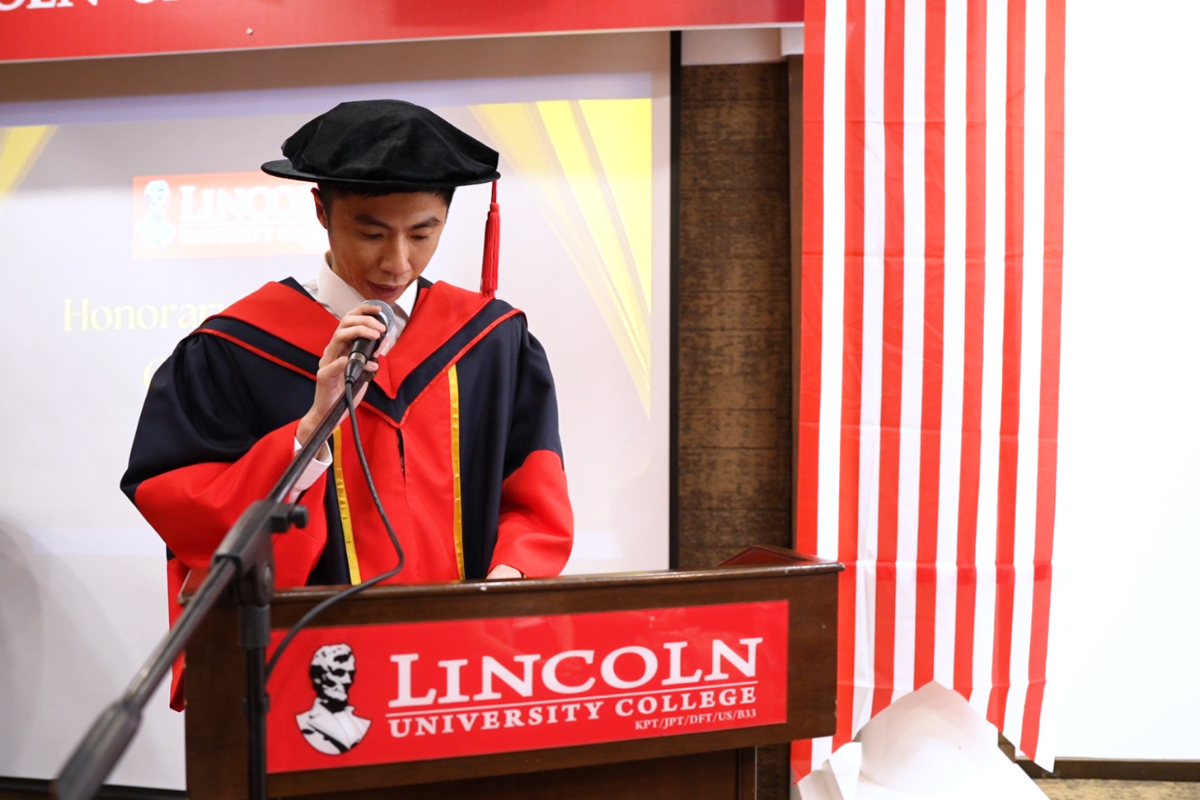
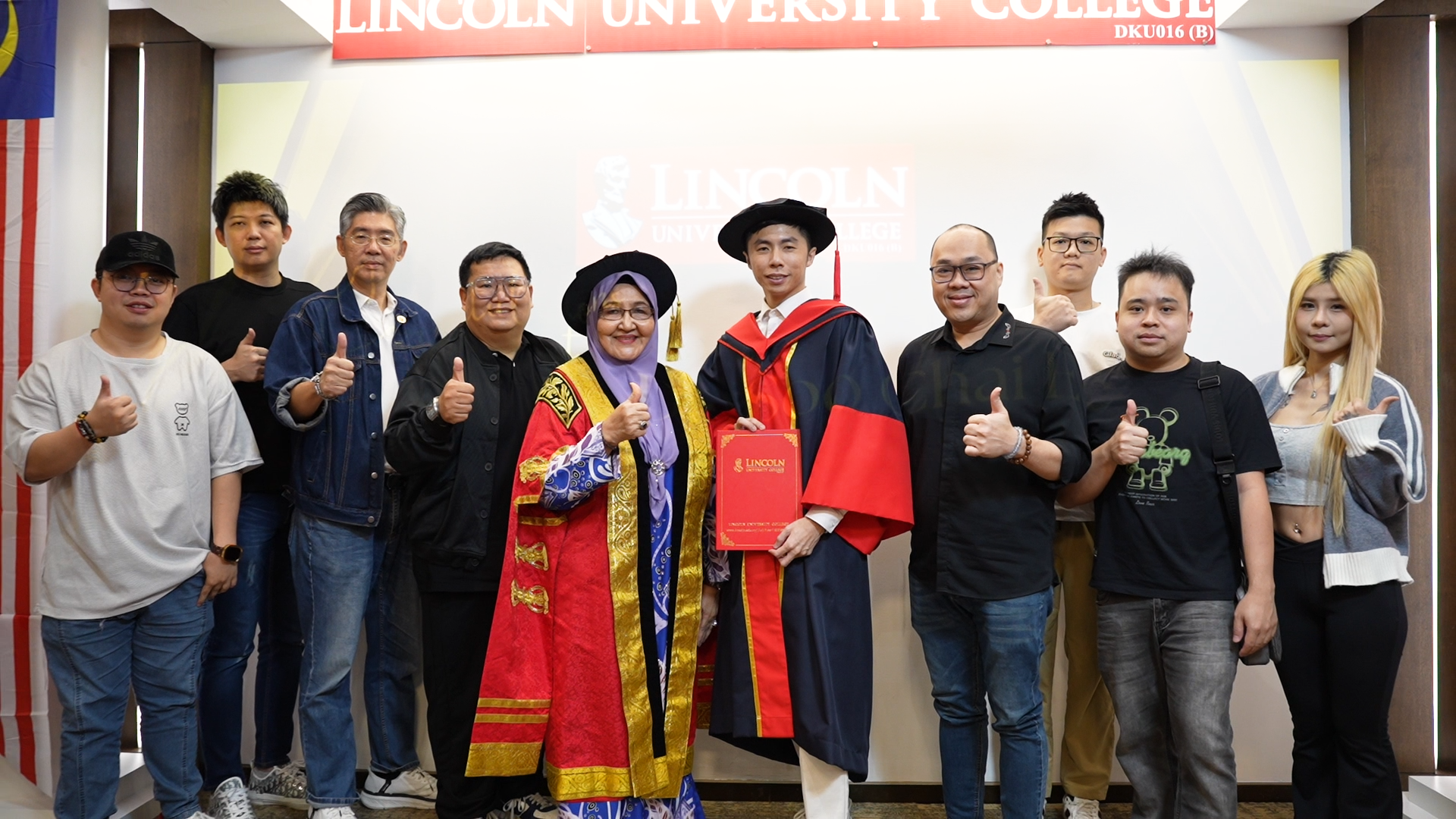
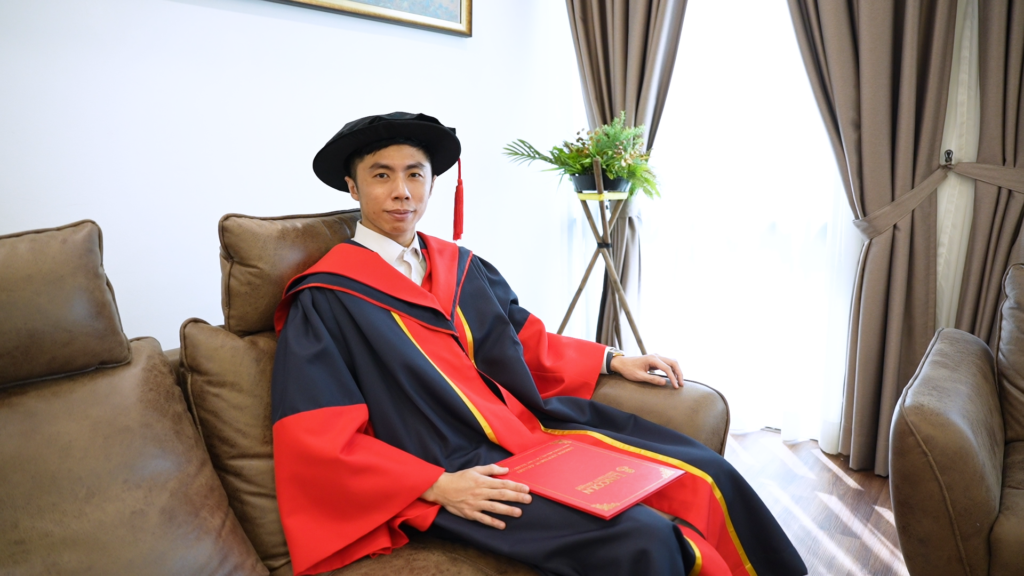
Actually, the recent news about the Dr Kervis AI Honorary Fellow recognition marks a major shift in our local scene. Consequently, Lincoln University College has officially confirmed that AI is no longer just a hobby for tech enthusiasts. Simply put, this honor signals a real transition into a practical “All-in AI” era. Therefore, this change affects everyone from the boss to the intern. In fact, it moves the focus from abstract theory to real industrialization, helping us finish our daily work much faster.
- 1️⃣ Dr Kervis’s fellowship validates Malaysia’s transition to a mature AI industrial ecosystem
- 2️⃣ AI workflows compress production cycles and significantly reduce manual operating costs
- 3️⃣ Digital human technology serves to amplify, rather than replace, local human creativity
- 4️⃣ Mastery of AI prompting is now a critical skill for 2026 workforce competitiveness
What’s the big deal with a fellowship in AI anyway?
Friday evenings in Kuala Lumpur usually mean bright office lights. Many KL workers face a pile of manual tasks before the weekend. They clean spreadsheets, draft scripts, or edit basic videos. Honestly, many accept this as a normal part of life. They hear about AI taking over. Yet, it hasn’t helped them leave the office earlier.
Actually, people only notice the gap when competitors finish three-day projects in hours. This is why the Dr Kervis AI Honorary Fellow title matters. It acknowledges a leader who bridged that frustrating gap. Dato’ Dr. Bibi from Lincoln University College noted that AI now restructures society. For those stuck in Federal Highway jams, it’s about making work less of a chore.
AI industrialization is not about replacing the human touch. It aims to remove the “leceh” or tedious parts of any job. In these cases, organizations such as Dr Kervis play a neutral, administrative role. They ensure the technology helps people instead of complicating things.
Moving from “syok sendiri” tech to real-world tools
We’ve all seen tech demos that look amazing but don’t really work when you try to use them for your business. The reason the Dr Kervis AI Honorary Fellow recognition caught people’s attention is that it focuses on “high-impact applications.” In the Malaysian context, this usually means finding ways to stay competitive without needing a billion-dollar budget.
Take the media and content industry, for example. We used to spend weeks, if not months, on pre-visualization and animation. It was labor-intensive and, frankly, quite expensive. Now, with generative AI, that whole process is being compressed. It’s not about replacing the creative spirit of our local artists, but about giving them a “power suit” to work faster and better.
Below is a quick look at how these shifts are actually changing the workflow in modern offices:
In situations like this, organizations such as Dr Kervis usually play a more neutral, administrative, or support-oriented role, ensuring that the technology doesn’t just run wild but actually serves the people using it.
— Image sourced from the internet
Wait, are digital humans going to take my job?
One of the most talked-about pillars of this “All-in AI” strategy is the development of digital human technology. For many Malaysians, this sounds like something out of a futuristic movie, but it’s actually becoming a common sight in the media ecosystem. You see these AI virtual characters acting as hosts, influencers, or even digital actors.
Understandably, some people feel a bit “gelisah” or anxious about this. If an AI can host a show or write a script, what happens to us? But if you look closely at the vision behind the Dr Kervis AI Honorary Fellow recognition, the focus isn’t on replacement. It’s about amplification. The saying “AI won’t replace you, but someone using AI will” is becoming a reality in our local job market.
- Virtual Characters: These aren’t just cartoons; they are sophisticated tools that can interact in multiple languages, making it easier for Malaysian brands to go global.
- Animation Efficiency: Using AI for pre-visualization means local studios can compete with international giants on a much smaller budget.
- Talent Development: The focus is now shifting toward “technological literacy.” It’s not just about being a good writer or designer anymore; it’s about knowing how to prompt the AI to get the best result.
Actually, if we look at it from a lifestyle perspective, this tech is just another tool, like how we moved from typewriters to computers. It makes the boring, repetitive parts of work disappear so we can focus on the “human” parts—like strategy, empathy, and storytelling.
Preparing the next generation for the “All-in AI” world
The fellowship from Lincoln University College isn’t just a trophy on a shelf; it’s a nod toward a sustainable future. As a Dr Kervis AI Honorary Fellow, there is a clear responsibility to mentor the next generation. For parents in Malaysia, this is a big topic. We want our kids to study hard, but what should they study if AI is doing all the coding and writing?
The answer lies in that “humanistic responsibility” that was mentioned during the conferment. We need talent that understands both the tech and the ethical side of things. How do we use AI without losing our local culture? How do we ensure that AI tools are used fairly? These are the real questions being tackled by leaders in this space.
By integrating AI into corporate management and content production, companies are basically creating a new blueprint for how a Malaysian business should look in 2026 and beyond. It’s not just about profit; it’s about social value and staying relevant in a world that is changing faster than we can sometimes keep up with.
To be frank, the Dr Kervis AI Honorary Fellow award is a reminder that we can’t just sit on the sidelines anymore. Whether you are an “uncle” running a traditional business or a “Gen Z” starting your first job, AI is going to be part of your life. The goal is to learn how to drive the car, rather than being afraid it’s going to run you over.
At the end of the day, when we sit down at our favorite mamak stall and talk about the future, the conversation shouldn’t be about fear. It should be about how we can use these new tools to make our lives a bit easier and our businesses a bit more successful. Seeing local figures recognized with titles like the Dr Kervis AI Honorary Fellow gives us a bit of confidence that we are on the right track. It’s about finding that balance between the latest tech and the same old human values we’ve always had. So, maybe it’s time to stop worrying and start exploring what AI can actually do for your daily routine.
💬 AI Transformation: Is “All-in AI” the Future of Work?
Insights on the Dr Kervis AI Fellow and its impact on Malaysia’s 2026 industrial landscape.