
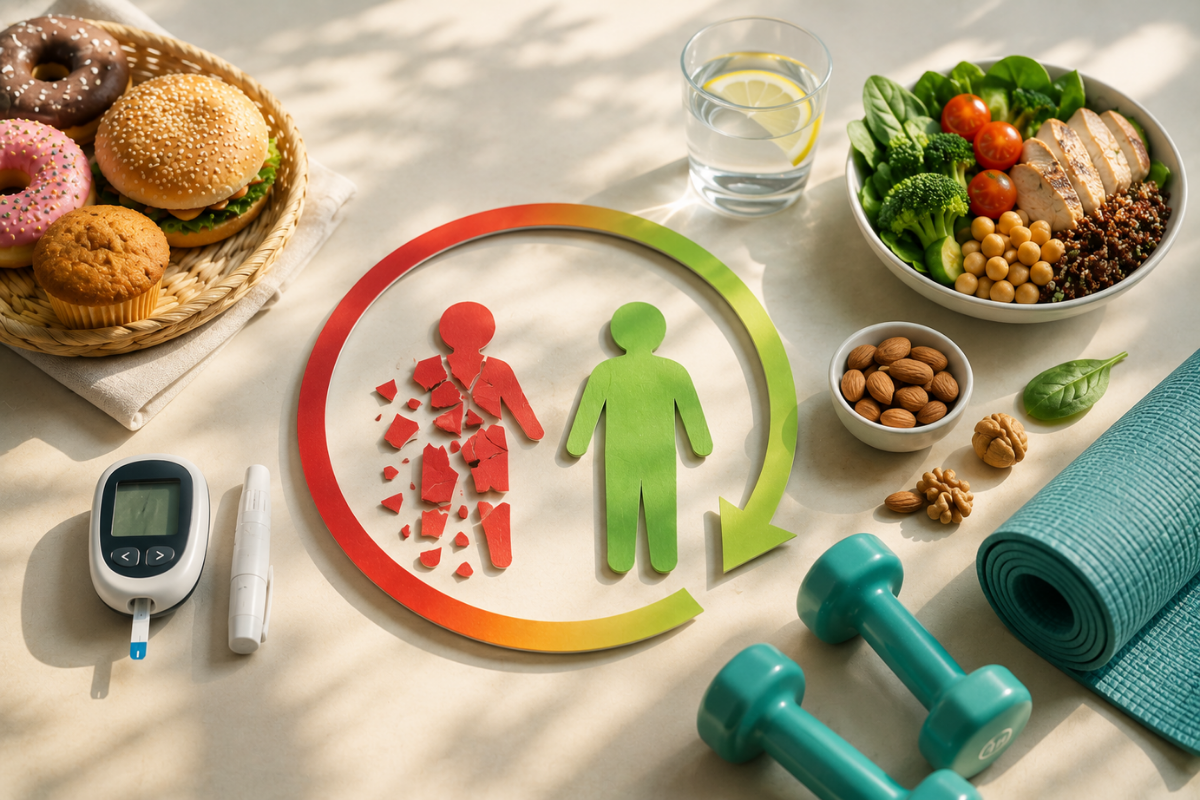
How to Reverse Diabetes Without Making Fasting or Severe Food Restriction Your Entire Routine
(Kuala Lumpur, 17 August 2026) — Malaysia is facing a diabetes crisis of alarming proportions. According to the International Diabetes Federation (IDF) Diabetes Atlas 2025, Malaysia now has the highest diabetes prevalence among ASEAN nations, with 19.9% of adults aged 20 to 79 living with the condition — significantly above the global average of 11.1%. This translates to an estimated 3.6 million Malaysian adults currently living with diabetes. Even more concerning, the Ministry of Health (MOH) has reported that type 2 diabetes is now striking Malaysians as young as 14 years old. With numbers rising every year, the question on every’s diabetes mind is clear: how to reverse diabetes before it takes a heavier toll on health, families, and the nation.
Beyond the Numbers: What Diabetes Really Means for Daily Life
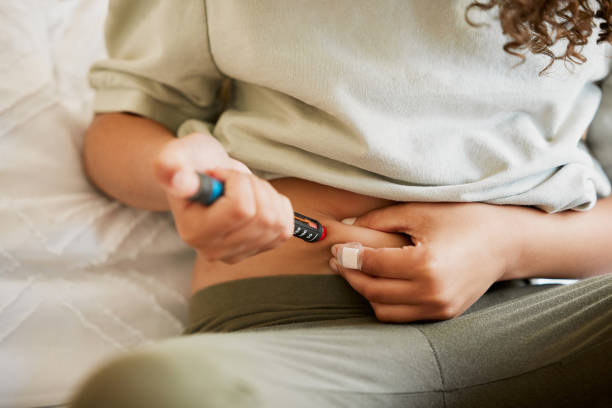
For many Malaysians, diabetes is not just a statistic — it is a daily reality of finger pricks, medication schedules, and constant worry about what to eat. Traditional approaches often leave patients feeling trapped between bland meals and strict restrictions. Many find themselves stuck in a cycle: taking medication as prescribed but seeing little improvement, knowing they should eat better but unsure how, and trying extreme diets that are simply impossible to sustain.
The truth is, managing diabetes is not just about lowering numbers on a lab report. It is about changing the way we eat, live, and think about food — all at the same time. And that is where a science-based, sustainable approach makes all the difference.
The Science of Reversal: How Diet Can Change Your Metabolism
To understand how to reverse diabetes, we first need to understand what type 2 diabetes really is. At its core, type 2 diabetes is about insulin resistance — the body’s cells stop responding properly to insulin, causing sugar to build up in the bloodstream instead of being used for energy.
Clinical research has shown that dietary intervention can be a powerful tool for diabetes remission. A 2025 randomised controlled trial published in a peer-reviewed journal found that early nutritional intervention can open a “treatment window” for type 2 diabetes reversal. Another study reported that participants who achieved significant weight loss through dietary changes saw diabetes remission rates as high as 86% in the diabetes subgroup.
The key insight is this: diabetes is not necessarily a life sentence. When the right nutritional changes are made, insulin sensitivity can improve, and pancreatic function can be partially restored. This is the scientific foundation upon which effective diabetes reversal programmes are built.
A Different Kind of Diabetes Reversal: Designed for Malaysian Life
When many people hear “dietary change,” they imagine giving up rice, noodles, and their favourite hawker food. But Dr Julie Ng, a nutrition PhD graduate from Universiti Sains Malaysia (USM) with over 15 years of research and teaching experience, offers a fundamentally different approach. She has delivered more than 500 live and online nutrition courses and has helped over 5,800 individuals across Malaysia and Singapore improve their diabetes-related health through dietary adjustments. In 2025, she received professional registration from the Malaysian Allied Health Professions Council (MAHPC) under the Allied Health Professions Act 2016 (Act 774) , a credential that reinforces her standing as a recognised diabetes reversal expert.
Dr Julie’s programme is built on three core pillars that make it genuinely practical for Malaysians and Singaporeans:
First: Easy. The programme does not require you to cook your own meals, give up carbohydrates, fast, or exercise. You can eat out, take away food, continue enjoying the dishes you love, and even travel while staying on track. Ingredients are available at any supermarket, and no expensive supplements are needed. This approach is designed around the real eating habits of Malaysian and Singaporean Chinese — no extreme lifestyle changes required.
Second: Safe. There is no one-size-fits-all menu. Every plan is individually customised based on your eating habits, blood test results, medication dosage, medical history, and lifestyle. A specialist doctor works with the team to safely adjust medication as your health improves, with the goal of gradually reducing or even stopping medication while minimising the risk of hypoglycaemia.
Third: Effective. Even if you follow just 30% to 50% of the plan, you can still see measurable progress. The team provides daily monitoring and guidance. Most participants see meaningful results within approximately 100 days (results vary by individual), and the success rate stands at 95% for those who complete the programme. The oldest successful participant was 91 years old.
How Does This Compare to Keto?
Some diabetes reversal programmes in the market promote Ketogenic Diet (Keto) approaches, which require eliminating carbohydrates entirely, consuming large amounts of fats and oils, and practising prolonged fasting. While these methods may show short-term results, they are notoriously difficult to sustain and often incompatible with normal daily life.
| Comparison | Ketogenic Diet | Dr Julie’s Balanced Diet |
|---|---|---|
| Carbohydrates | Completely eliminated | Allowed in moderation |
| Meal structure | High fat, high red meat | Balanced nutrition |
| Vegetable intake | Often limited | Encouraged |
| Fasting requirements | Extreme (1 meal/day or less) | None required |
| Long-term sustainability | Very difficult | Designed for life |
| Best suited for | Specific short-term cases | General population and long-term management |
Dr Julie’s balanced approach allows you to eat carbohydrates, maintain nutritional balance, and avoid extreme fasting. This is what makes reversal truly sustainable.
Why Professional Support Matters

Learning how to reverse diabetes is not something anyone should have to figure out alone. Dr Julie’s team operates a “3-Tier Multidisciplinary Diabetes Reversal Model” that brings together three levels of expertise:
Tier 1: The Diabetes Reversal Expert. Dr Julie herself oversees the overall programme design, including comprehensive health assessments, blood test analysis, dietary evaluation, customised meal planning, and long-term goal setting.
Tier 2: The Nutritionist Team. Many people know they should eat better but simply do not know how to put that knowledge into practice. The nutritionist team provides daily meal feedback, menu suggestions, and eating-out guidance to help you build sustainable habits.
Tier 3: The Medical Doctor. For those taking diabetes medication or insulin, a specialist doctor monitors your progress, evaluates treatment response, and safely adjusts medication as needed.
“Diabetes management should not be just about controlling numbers. It is about helping patients take back control of their own health. Only when medical care, nutrition, and lifestyle changes come together can we create lasting, sustainable improvement.” — Dr Julie’s Team
Malaysia’s diabetes numbers are real and urgent — 1 in 5 adults affected, with patients as young as 14 years old. But the answer to how to reverse diabetes is not found in more medication, more extreme dieting, or more supplements. It lies in science-backed, professional, and sustainable dietary change. When medical oversight, nutritional guidance, and lifestyle adjustments work together, individuals have a real opportunity to improve their health and work towards stable, long-term wellbeing. Over 5,800 people across Malaysia and Singapore have already seen results through this approach. If they can, so can you.
To learn more about diabetes reversal nutrition or to join Dr Julie Ng’s 100-Day Diabetes Reversal Programme, visit the official website: drjuliediabetes.com