
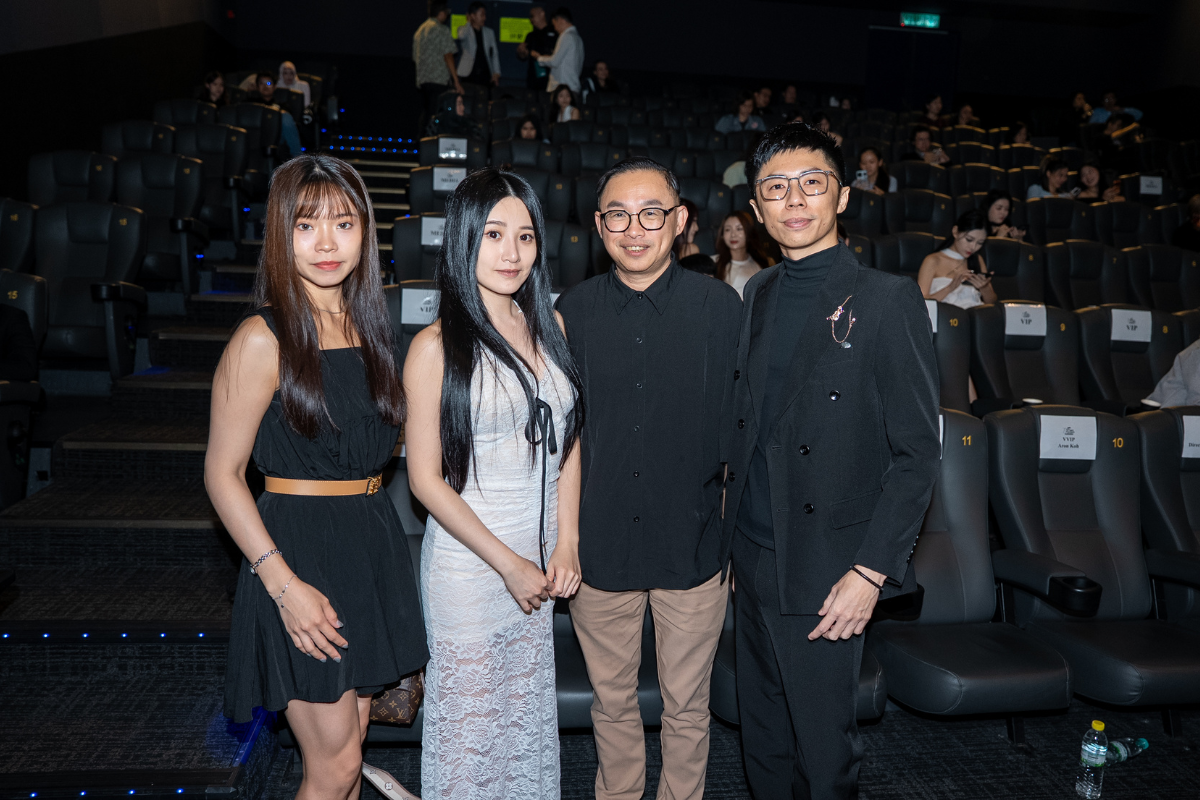
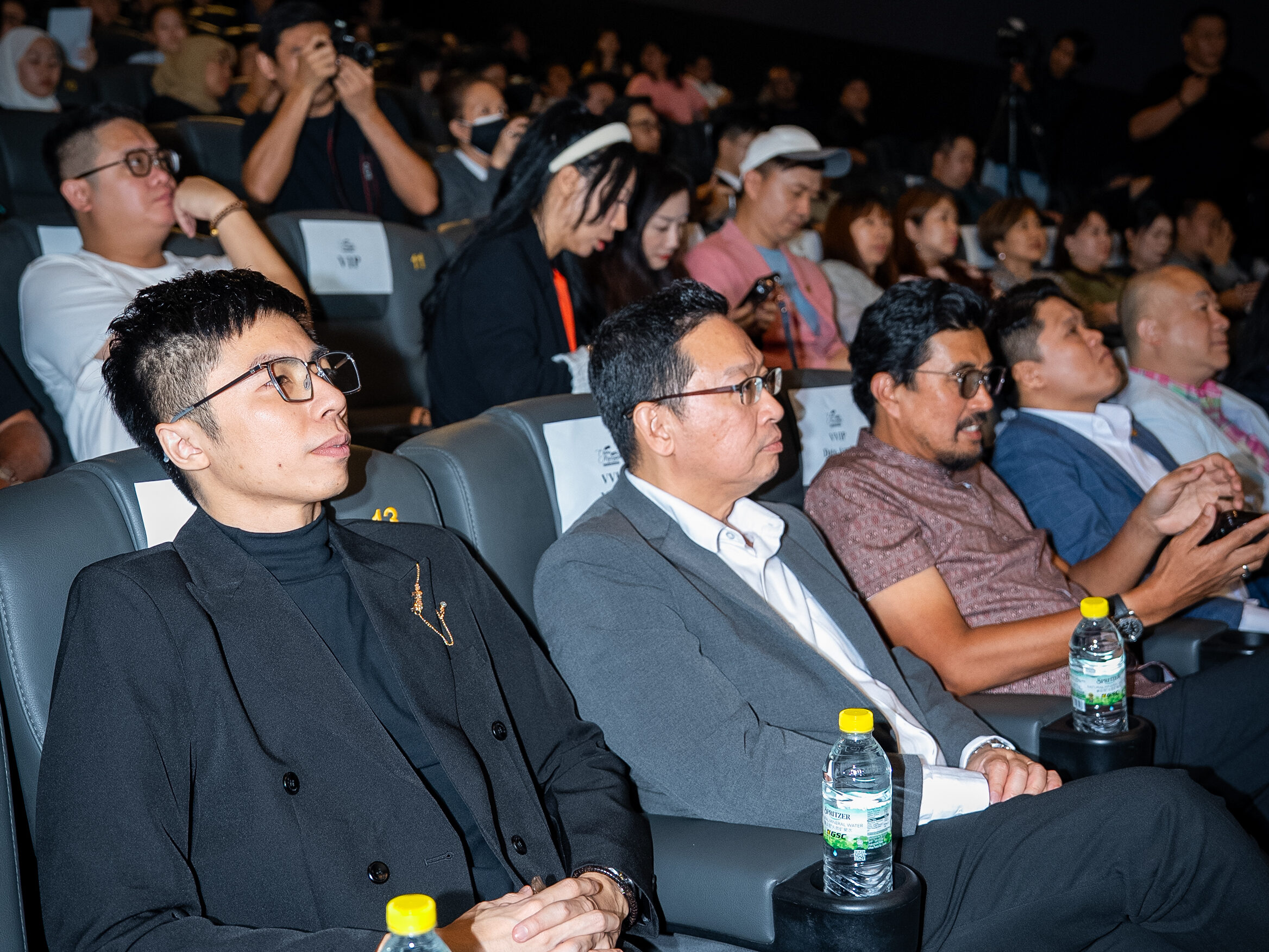
If there was one word to describe the atmosphere at the 3rd China-Malaysia Film Culture Festival’s headline evening, it would be “layered.” Held at GSC Mid Valley Megamall’s Hall 10, the night brought together film, technology, and influencer culture in a way that festival organisers had clearly designed to appeal well beyond a traditional cinema-going crowd.
The evening’s most visible drawcard was the global premiere of “Kungfu Juniors,” led by Hong Kong screen veteran Sammo Hung. Audiences responded warmly to the film, with applause continuing well after the credits rolled — a fitting opener for an event positioned as the festival’s flagship “Day One” moment, complete with exclusive premiere access, cast photo opportunities, and a heavy media presence.

But for many in the room, the night’s most consequential moment wasn’t on screen at all. It came during the formal signing of the “China-Malaysia 100 Microdramas Strategic Collaboration MOU,” a partnership between LOMO Pictures and VYBE witnessed officially by Malaysia’s National Film Development Corporation (FINAS). The agreement, which commits both organisations to a structured pipeline of cross-border microdrama content, drew its own round of applause and a flurry of camera flashes as representatives posed for photos following the signature.
Adding to the night’s eclectic energy was the presence of Taiwanese influencer Aries, who quickly became one of the evening’s most photographed guests. Fans and fellow creators lined up for photo opportunities throughout the event, a scene that organisers seemed to have anticipated — earlier VIP invitations for the festival explicitly listed “photo opportunities with celebrities” and the “chance to star in a VYBE short drama” among the event’s key highlights.
The presence of influencers alongside film industry veterans and AI entrepreneurs wasn’t incidental. With VYBE positioned as a combined short drama, livestreaming, and creator platform, the involvement of social media talent reflects a broader strategic shift in how this year’s festival was conceived — one where traditional film industry players, emerging AI content technology, and influencer-driven distribution channels are treated as complementary, rather than separate, parts of the same ecosystem.
Special guest Chairman Dr. Kervis Soo added a further layer to the evening, using his remarks to outline his team’s progress in enterprise AI and AI-generated microdrama technology, including a planned system launch on July 16. His comments, delivered candidly and without much corporate polish, became one of the most talked-about segments of the night among the 30 to 40 media outlets in attendance — a turnout organisers say was the largest in the festival’s three-year history.
Taken together, the night’s programming — a major film premiere, a binding industry agreement, an influencer-driven social moment, and a candid look into AI content technology — illustrated just how far the China-Malaysia Film Culture Festival has evolved from a straightforward screening event. What began three editions ago as a platform for showcasing films has clearly grown into something broader: a meeting ground where cinema, emerging content technology, and creator economy culture now share the same stage, quite literally.
As the festival’s third edition drew to a close, one thing seemed evident to those in the room: the line between “film festival” and “industry summit” at this event is becoming increasingly difficult to draw — and that may well be exactly the point.